
Eurovision Bans Hosting by Countries in Armed Conflict
What happened
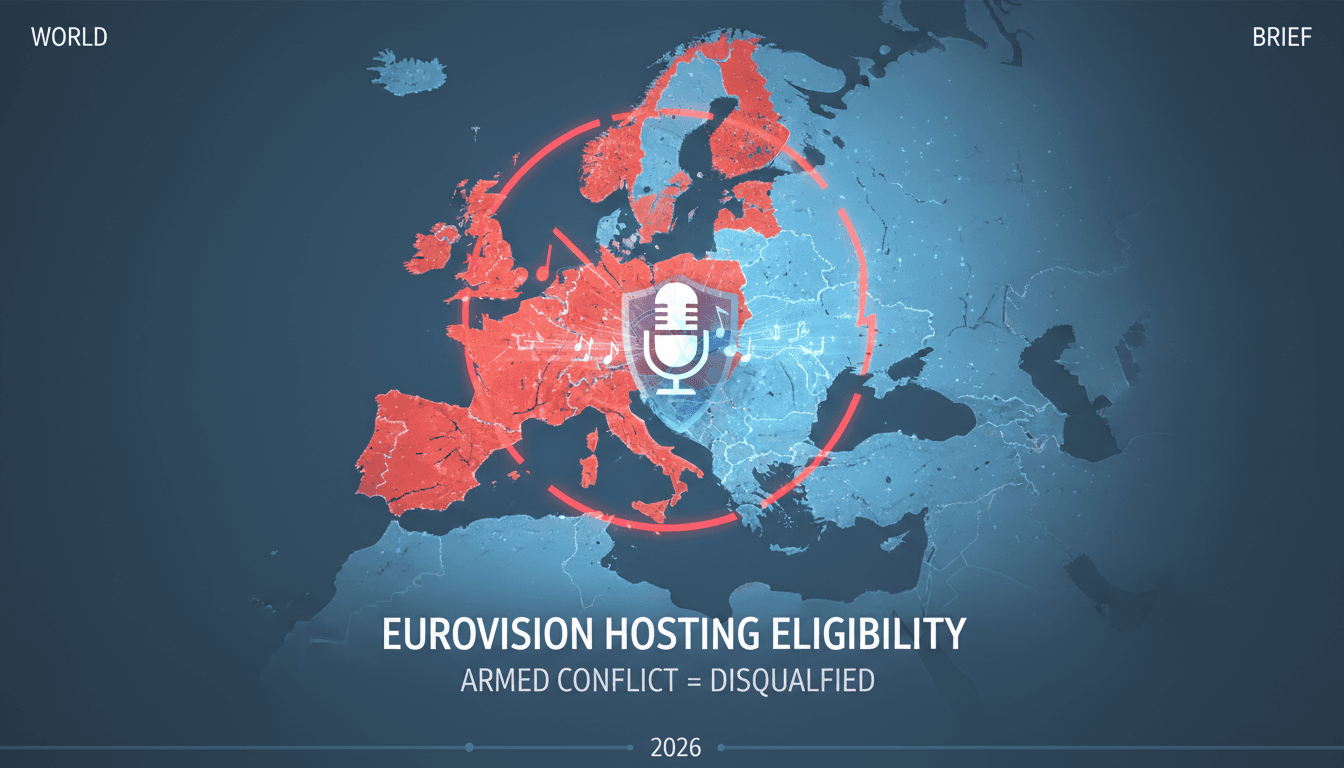
Eurovision organizers have announced a groundbreaking decision to disqualify countries involved in armed conflicts from hosting the contest. This rule aims to ensure a safe environment for all participants, reflecting a commitment to their well-being. The announcement follows Bulgaria's victory in the 2026 contest, which would typically allow the country to host the next event.
As a result of this new regulation, countries like Israel, which have been embroiled in ongoing conflicts, will be directly affected. The decision marks a pivotal moment for the contest, as it seeks to navigate the complexities of international relations while promoting a spirit of unity and peace.
The Context
The new hosting rule is a response to the evolving geopolitical landscape and the need for a safe and welcoming environment for Eurovision participants. With Dara from Bulgaria winning the 2026 contest, the timing of this announcement is particularly significant, as it directly impacts Bulgaria's ability to host. The decision underscores the importance of safety in international events, especially in light of recent global tensions.
Countries that have historically participated in Eurovision, such as Israel, may find their hosting opportunities limited due to this new regulation. The move reflects a broader trend of organizations reassessing their policies in response to geopolitical realities, emphasizing the need for a careful balance between cultural celebration and political considerations.
Takeaway
Looking ahead, the Eurovision Song Contest's new hosting rules will likely influence future decisions regarding event locations. Observers should monitor how this regulation affects countries that may be impacted, particularly those with ongoing conflicts. The long-term implications could reshape the eligibility of nations to host future contests, potentially altering the dynamics of participation.
As the geopolitical landscape continues to evolve, Eurovision's hosting policies may adapt further, affecting representation and engagement from various countries. Stakeholders in the music and entertainment industries will need to stay attuned to these changes as they unfold.
Regional coverage and analysis focused on politics, diplomacy, and business across the Middle East.
"Al-Monitor is known for analytical reporting on Middle East politics and policy developments."
— A47 Editor
Eurovision to bar countries at war from hosting
Eurovision Song Contest organizers announced that countries engaged in armed conflict will be barred from hosting the competition, alongside an increase in the minimum age for competitors. This decision comes amid ongoing tensions in regions like Gaz...
Top international stories selected by The Guardian editors.
"The Guardian is known for its progressive editorial stance and in-depth analysis."
— A47 Editor
Countries in ‘armed conflict’ barred from hosting Eurovision
Organisers of the Eurovision song contest have announced a new rule that prohibits broadcasters from hosting the event if their country is involved in an 'armed conflict' or a 'sensitive geopolitical situation'. This decision aims to ensure a safe an...
Arts, film, music, television, and cultural events.
"BBC News is widely regarded as a reputable international news organization, known for its impartial tone and public service mandate."
— A47 Editor
Eurovision Song Contest changes rules for countries at war
The Eurovision Song Contest organizers have announced new rules that automatically disqualify countries engaged in armed conflict from hosting the event. This decision aims to ensure the safety and integrity of the contest amid geopolitical tensions.
UK and global entertainment, showbiz, and culture stories.
"Sky News is a UK broadcaster known for rolling news and breaking entertainment stories."
— A47 Editor
Eurovision changes rules to prevent winners involved in 'armed conflict' from hosting
The Eurovision Song Contest organizers have implemented new rules that prevent winning broadcasters from hosting the event if their country is involved in armed conflict or a sensitive geopolitical situation. This decision follows Bulgaria's victory ...
International news, politics, and culture.
"Sky News is a UK-based 24-hour channel known for fast-breaking news and political coverage."
— A47 Editor
Eurovision changes rules to prevent winners involved in 'armed conflict' from hosting
The Eurovision Song Contest organizers have implemented new rules that prevent winning broadcasters from hosting the event if their country is involved in armed conflict or a sensitive geopolitical situation. This decision follows Bulgaria's victory ...