
China initiates first regular cargo route through the Arctic
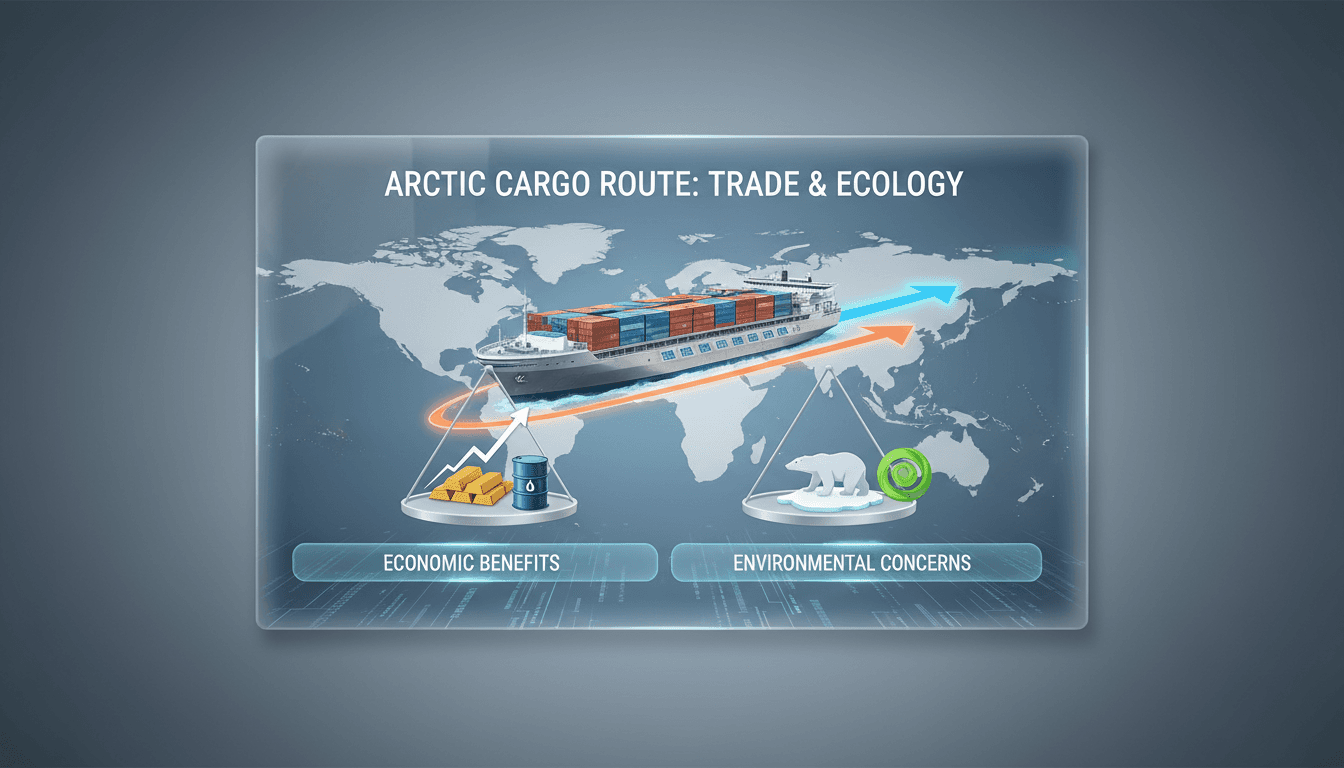
Here's what it means for you.
The launch of China's first regular cargo route through the Arctic signifies a pivotal moment in global shipping dynamics. This new route not only reduces shipping times by 50% but also raises critical questions about environmental sustainability in the region. As Arctic navigation becomes more prevalent, stakeholders must navigate the balance between economic advantages and ecological preservation. The implications extend beyond logistics, potentially reshaping international trade policies and practices. Companies and governments will need to monitor the evolving landscape as environmental concerns gain prominence.
What happened
A Chinese container ship has embarked on a journey to Europe via the Arctic, marking the initiation of the first regular cargo service through this route. This development allows China to bypass the Suez Canal, significantly cutting shipment times in half compared to traditional maritime routes. The first container ship departed on August 15, 2026, and is part of a new weekly shipping schedule.
As this route becomes operational, it highlights the growing trend of Arctic shipping, driven by economic factors such as high oil prices and climate change. The implications of this new service are already being discussed in terms of its potential impact on global trade logistics.
The Context
High oil prices and the effects of climate change have made Arctic shipping routes financially viable, prompting this significant shift in global shipping practices. The establishment of this route is not just a logistical advancement; it also raises environmental concerns regarding the potential acceleration of Arctic melting. Environmental groups are increasingly vocal about the risks associated with increased navigation in this fragile ecosystem.
As Arctic shipping becomes more common, the balance between economic benefits and environmental protection will be crucial. Policymakers and stakeholders must consider the long-term implications of this new route on both trade and the environment.
Takeaway
The establishment of this Arctic route may reshape international shipping dynamics and raise ongoing environmental debates. Moving forward, it will be essential to monitor environmental impact assessments related to Arctic shipping to understand the full scope of its implications. Additionally, responses from other countries regarding Arctic navigation policies will be critical in shaping future regulations.
As the situation evolves, stakeholders must remain vigilant about the balance between economic growth and ecological preservation in the Arctic region.
English-language news from Qatar covering domestic and regional affairs.
"Gulf Times reflects Qatari perspectives on regional developments."
— A47 Editor
Chinese container ship sets off for Europe through Arctic, halving travel time
A Chinese container vessel has embarked on a journey to Europe via the Arctic, marking the initiation of a new weekly shipping service that significantly reduces travel time by half. This route is expected to enhance trade efficiency between China an...
Pan-Arab news coverage spanning politics, business, sports, and regional affairs.
"Asharq Al-Awsat reflects a broad Arab editorial perspective with strong attention to regional geopolitics."
— A47 Editor
الصين تستخدم طريق القطب الشمالي لأول مرة وتتجنب قناة السويس
A Chinese container ship departed on Saturday for Europe via a route that passes through the Arctic Circle, marking the first time China has utilized this path to avoid the Suez Canal. This development highlights a significant shift in maritime logis...
Global political, business, and cultural coverage from WSJ international desks.
"The Wall Street Journal offers extensive international reporting with a reputation for financial insight and a center-right editorial stance."
— A47 Editor
China Is Opening the First Regular Cargo Route Through the Arctic
China is set to open its first regular cargo route through the Arctic, capitalizing on high oil prices and the effects of climate change that have made this northern passage financially viable for shipping. This development marks a significant milest...