
Democratic Republic of Congo Begins Ervebo Vaccination Campaign Amid Record Ebola Outbreak
Here's what it means for you.
The ongoing Ebola outbreak in the Democratic Republic of Congo could influence global health policies and vaccine distribution strategies.
Why it matters
This outbreak is the fastest-growing in history, highlighting vulnerabilities in global health systems and the urgent need for effective response mechanisms.
What happened (in 30 seconds)
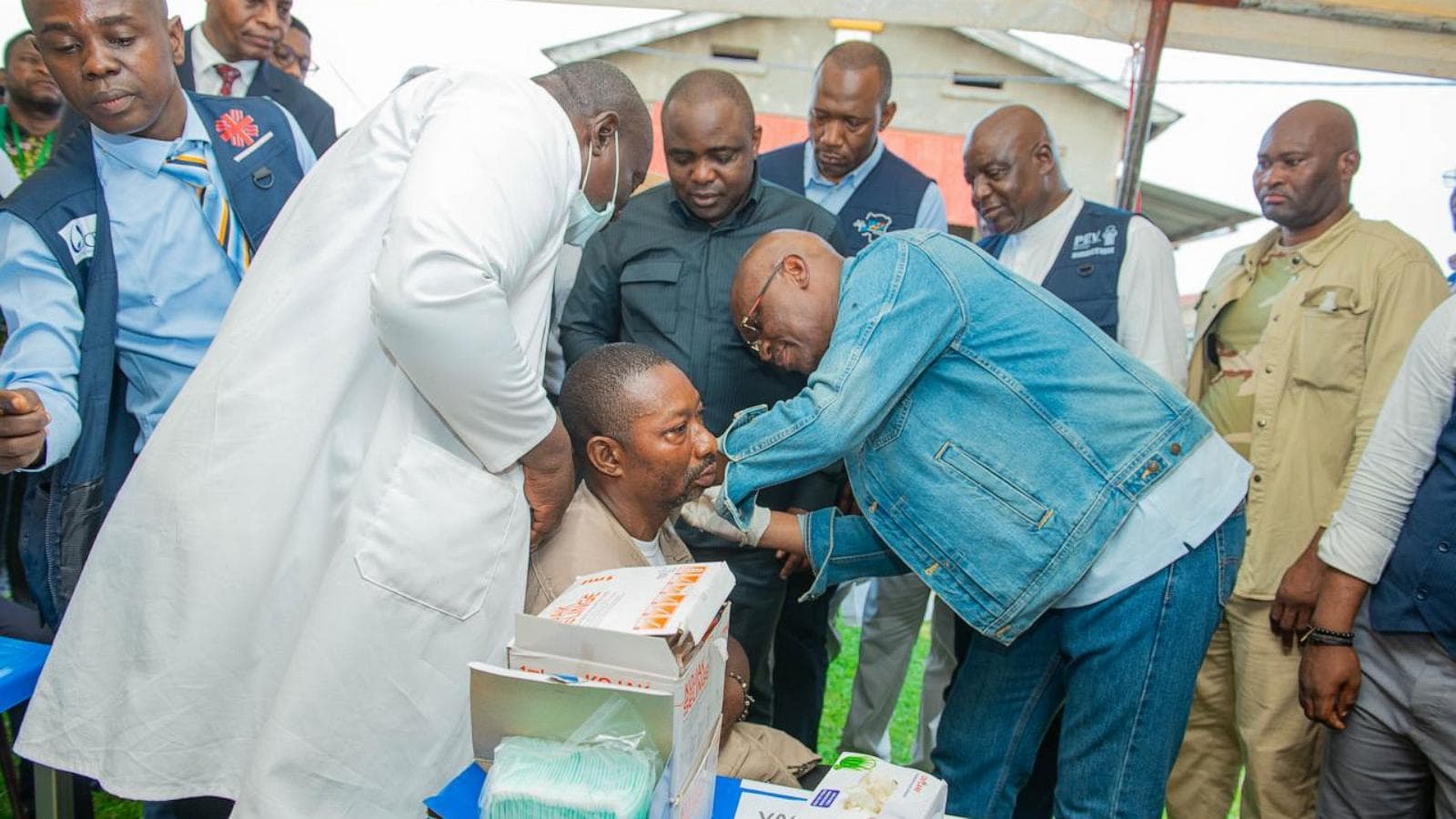
- On August 27, 2026, the Democratic Republic of Congo launched a vaccination campaign using the Ervebo vaccine in Kisangani.
- Over 5,700 confirmed cases and approximately 2,744 deaths have been reported, marking this outbreak as the deadliest in Congo's history.
- The campaign prioritizes frontline health workers and response personnel, with 70,000 doses allocated under a compassionate-use protocol.
The context you actually need
- The Bundibugyo virus strain is responsible for this outbreak, and no licensed vaccine or treatment exists specifically for it.
- The epidemic has spread across six provinces, exacerbated by factors such as insecurity, health worker strikes, and misinformation.
- Previous Ebola outbreaks in Congo have been contained, but this one is on track to potentially exceed the 2014-2016 West Africa outbreak in terms of fatalities.
What's really happening
The Democratic Republic of Congo's current Ebola outbreak, declared on May 15, 2026, is unprecedented in its rapid spread and severity. The Bundibugyo strain, which has no approved vaccine or treatment, has led to a staggering number of cases and deaths, with government figures reporting 5,713 confirmed cases and a case fatality rate of approximately 48%. This situation has prompted the government to act swiftly, receiving 70,000 doses of the Ervebo vaccine, which is licensed for the Zaire ebolavirus but is being used under a compassionate-use protocol to combat this outbreak.
Health Minister Roger Kamba launched the vaccination campaign in Kisangani, focusing on frontline health workers and response personnel. The initial rollout prioritizes over 50,000 doses for these workers, while approximately 20,000 doses are allocated for Phase 3 clinical trials to assess the vaccine's efficacy against the Bundibugyo strain. This dual approach aims to protect those most at risk while simultaneously gathering critical data on the vaccine's performance.
The outbreak's rapid escalation has been fueled by a combination of delayed detection, overwhelmed surveillance systems, and ongoing military conflict in the region. Health worker strikes and community displacement have further complicated response efforts, leading to misinformation and panic among the population. As the epidemic spreads across six provinces, the government, in coordination with the World Health Organization (WHO) and the Africa Centres for Disease Control and Prevention (Africa CDC), is focusing on ring vaccination strategies to contain the virus.
Despite the urgency of the situation, no significant market shifts or economic impacts have been reported as of late August 2026. Local responses are concentrated on expanding vaccination coverage and addressing operational challenges, including insecurity and resource constraints. The situation remains fluid, and the effectiveness of the vaccination campaign will be closely monitored as authorities aim to curb the outbreak's trajectory.
Who feels it first (and how)
- Frontline health workers: They are at the highest risk of exposure and are prioritized for vaccination.
- Local communities: Residents in affected provinces face health risks and potential economic disruptions.
- International health organizations: They may need to adjust strategies and resources in response to the outbreak's developments.
What to watch next
- Vaccination coverage rates: Monitoring how quickly and effectively the Ervebo vaccine is administered will indicate the campaign's success.
- Case fatality rates: Changes in the number of deaths relative to confirmed cases will provide insight into the outbreak's severity and the vaccine's effectiveness.
- International response: Watch for potential shifts in global health policies or funding aimed at addressing similar outbreaks in the future.
The outbreak is the deadliest in Congo's history, with over 5,700 confirmed cases and 2,744 deaths reported.
The vaccination campaign will expand to additional provinces as more data on vaccine efficacy becomes available.
The long-term impact on global health policies and vaccine distribution strategies remains uncertain.
Frequently Asked Questions
- Why it matters?
- This outbreak is the fastest-growing in history, highlighting vulnerabilities in global health systems and the urgent need for effective response mechanisms.
- What happened (in 30 seconds)?
- On August 27, 2026, the Democratic Republic of Congo launched a vaccination campaign using the Ervebo vaccine in Kisangani. Over 5,700 confirmed cases and approximately 2,744 deaths have been reported, marking this outbreak as the deadliest in Congo's history. The campaign prioritizes frontline health workers and response personnel, with 70,000 doses allocated under a compassionate-use protocol.
- What's really happening?
- The Democratic Republic of Congo's current Ebola outbreak, declared on May 15, 2026, is unprecedented in its rapid spread and severity. The Bundibugyo strain, which has no approved vaccine or treatment, has led to a staggering number of cases and deaths, with government figures reporting 5,713 confirmed cases and a case fatality rate of approximately 48%. This situation has prompted the government to act swiftly, receiving 70,000 doses of the Ervebo vaccine, which is licensed for the Zaire ebola
- Who feels it first (and how)?
- Frontline health workers: They are at the highest risk of exposure and are prioritized for vaccination. Local communities: Residents in affected provinces face health risks and potential economic disruptions. International health organizations: They may need to adjust strategies and resources in response to the outbreak's developments.
- What to watch next?
- Vaccination coverage rates: Monitoring how quickly and effectively the Ervebo vaccine is administered will indicate the campaign's success. Case fatality rates: Changes in the number of deaths relative to confirmed cases will provide insight into the outbreak's severity and the vaccine's effectiveness. International response: Watch for potential shifts in global health policies or funding aimed at addressing similar outbreaks in the future.
Regional and international reporting focused on Middle Eastern politics, diplomacy, and economics.
"Asharq Al-Awsat is a Saudi-owned international newspaper reflecting mainstream Gulf political perspectives."
— A47 Editor
Congo Starts Ebola Vaccinations for Health Workers
The Democratic Republic of Congo has initiated an Ebola vaccination campaign targeting health workers as part of efforts to combat a severe outbreak that has resulted in over 2,325 fatalities and nearly 5,000 confirmed cases. This vaccination drive i...
Medical headlines, wellness tips, and public health guidance.
"ABC News delivers broad national coverage with a mainstream editorial stance, focusing on accessibility and balanced reporting."
— A47 Editor
Congo begins vaccinations to fight the fastest-growing Ebola outbreak in history
Congo has initiated a vaccination campaign to combat the fastest-growing Ebola outbreak in history, which has seen a dramatic rise in cases and fatalities. The outbreak has escalated rapidly, with health authorities reporting significant challenges i...
Global news coverage with extensive reporting on Middle Eastern conflicts and geopolitics.
"Al Jazeera is a Qatar-based broadcaster known for wide regional coverage and alternative perspectives."
— A47 Editor
DRC begins vaccinating front-line healthcare workers against Ebola
The Democratic Republic of Congo (DRC) has commenced a vaccination campaign targeting front-line healthcare workers against the Ebola virus, specifically the Bundibugyo strain, amid ongoing trials for an effective vaccine. This initiative is part of ...
Comprehensive coverage of Middle Eastern and global issues.
"Al Jazeera is a prominent voice from the Global South, especially the Middle East, with an emphasis on underreported stories."
— A47 Editor
DRC begins vaccinating front-line healthcare workers against Ebola
The Democratic Republic of Congo (DRC) has commenced a vaccination campaign targeting front-line healthcare workers against the Ebola virus, specifically the Bundibugyo strain, amid ongoing trials for an effective vaccine. This initiative is part of ...
UAE-based newspaper covering Gulf politics, society, and international developments.
"Gulf News is one of the UAE’s most prominent English-language publications."
— A47 Editor
Congo begins vaccinations to fight the fastest-growing Ebola outbreak in history
The Democratic Republic of Congo has commenced vaccinations to combat its most severe Ebola outbreak on record, as confirmed by the health minister. This outbreak, declared on May 15, has rapidly escalated, with the death toll surpassing 2,100 and co...
A curated Gulf News feed featuring major stories across news, business, opinion, and lifestyle.
"Gulf News is a major UAE newspaper whose featured stories feed reflects a broad editorial mix shaped for a Gulf audience."
— A47 Editor
Congo begins vaccinations to fight the fastest-growing Ebola outbreak in history
The Democratic Republic of Congo has commenced vaccinations to combat its most severe Ebola outbreak on record, as confirmed by the health minister. This outbreak, declared on May 15, has rapidly escalated, with the death toll surpassing 2,100 and co...