
Strait of Hormuz faces severe disruption amid ongoing US-Israel military campaign against Iran
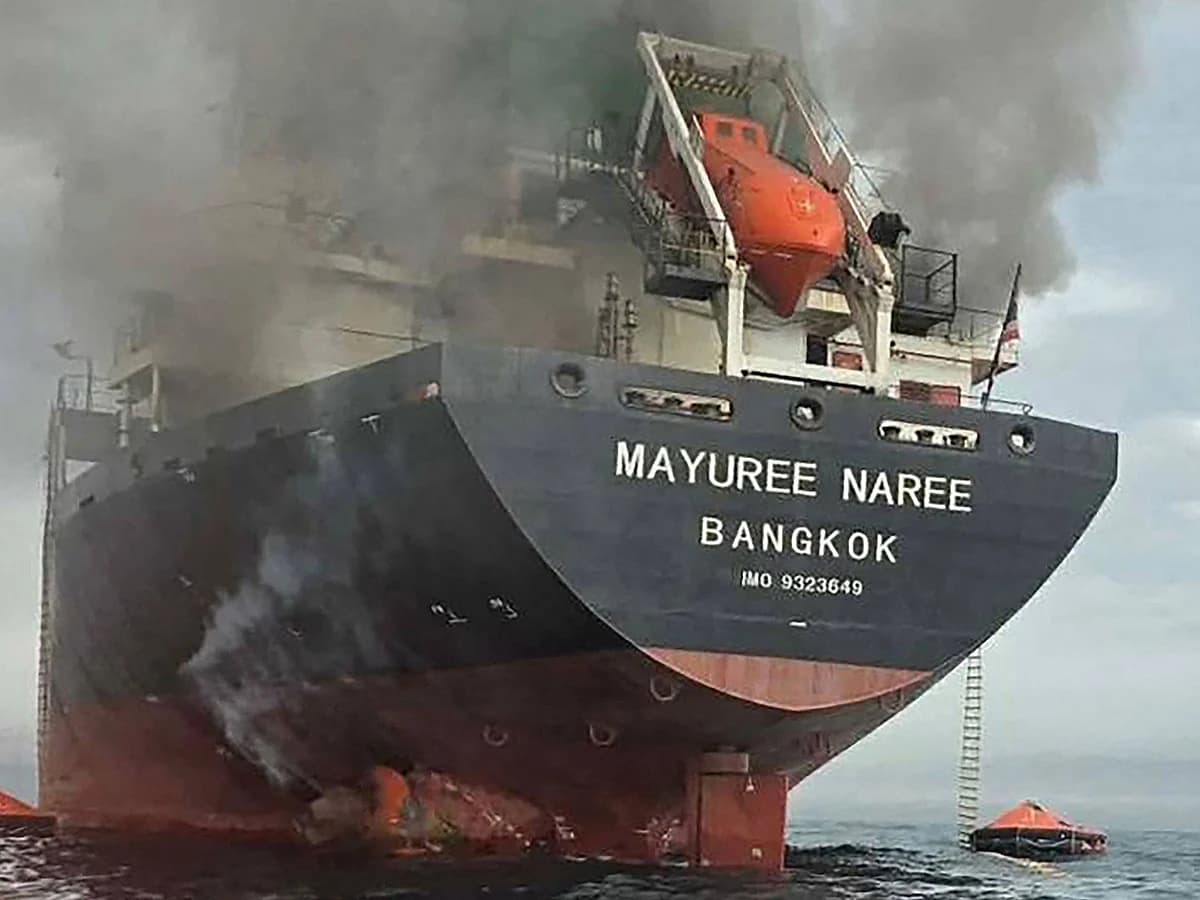
Here's what it means for you.
Rising energy costs and supply chain disruptions are likely to impact your daily expenses and logistics.
Why it matters
The Strait of Hormuz is a critical artery for global energy supplies, and its disruption has far-reaching implications for markets and consumers worldwide.
What happened (in 30 seconds)
- Traffic through the Strait of Hormuz has collapsed by 90% since the US-Israel military campaign against Iran began on February 28, 2026.
- Iran has blacklisted 45 tankers and enforced strict transit rules, leading to significant delays and uncertainty for shipping operators.
- Approximately 6,000 seafarers are stranded, with many vessels unable to navigate due to heightened risks and tracking system failures.
The context you actually need
- Prior to the conflict, the Strait of Hormuz facilitated about 95 vessel transits daily, accounting for roughly 20% of global oil and LNG exports.
- The conflict escalated from strikes on Iranian targets, prompting Iran to close the strait and shift the focus to economic and maritime pressure.
- Alternative pipelines provide limited relief, as they cannot fully compensate for the volumes typically transported through Hormuz.
What's really happening
The ongoing military campaign against Iran has transformed the Strait of Hormuz into a focal point of geopolitical tension and economic disruption. Following the initial closure of the strait on March 1, 2026, daily vessel transits plummeted to an average of just 10, a stark contrast to the pre-war levels. A temporary agreement in June allowed for a brief recovery, with transits rising to 36 daily, but the resumption of hostilities in July has since reduced this number to around 15, with recent data indicating further declines.
Iran's aggressive stance includes blacklisting 45 tankers and threatening fines, detention, or confiscation for non-compliant vessels. This has led to a significant portion of maritime traffic becoming "dark," meaning that tracking systems have been disabled, complicating the situation further. The International Maritime Organization (IMO) has been monitoring over 20,000 seafarers in the region, but evacuation efforts for stranded vessels have been suspended due to ongoing attacks.
The economic implications are profound. Energy markets are experiencing persistent uncertainty, with Brent crude prices fluctuating around $87 per barrel as of late August 2026, below pre-war levels. The United States has asserted partial control over the strait, including mine clearance operations, but Iran continues to exert leverage through its transit rules and blacklists. Shipping operators are left with few options, often rerouting through alternative paths or accepting higher risks, which in turn raises costs for consumers.
Gulf states are actively pursuing diplomatic channels with Oman and Iran, but full normalization remains elusive without a political settlement. The situation is further complicated by the fact that bypass pipelines in Saudi Arabia and the UAE can only provide limited relief, insufficient to replace the volumes typically transported through Hormuz.
Who feels it first (and how)
- Energy consumers: Higher prices at the pump and increased utility bills.
- Shipping operators: Increased insurance costs and rerouting expenses.
- Seafarers: Stranded crews facing uncertainty and potential job losses.
- Gulf exporters: Limited ability to meet global demand, impacting revenues.
- Logistics hubs in Dubai: Reduced throughput affecting supply chain efficiency.
What to watch next
- Energy price fluctuations: Monitor Brent crude prices for signs of stabilization or further volatility, as this will directly impact consumer costs.
- Diplomatic developments: Watch for any breakthroughs in negotiations between Gulf states and Iran, which could ease tensions and restore shipping routes.
- Shipping traffic data: Keep an eye on vessel transit numbers through the Strait of Hormuz, as any significant changes could indicate shifts in the conflict or market conditions.
Traffic through the Strait of Hormuz is approximately 90% below pre-war levels.
Energy prices will remain volatile as long as the conflict persists.
The timeline for a political resolution that could restore normal shipping operations.
Frequently Asked Questions
- Why it matters?
- The Strait of Hormuz is a critical artery for global energy supplies, and its disruption has far-reaching implications for markets and consumers worldwide.
- What happened (in 30 seconds)?
- Traffic through the Strait of Hormuz has collapsed by 90% since the US-Israel military campaign against Iran began on February 28, 2026. Iran has blacklisted 45 tankers and enforced strict transit rules, leading to significant delays and uncertainty for shipping operators. Approximately 6,000 seafarers are stranded, with many vessels unable to navigate due to heightened risks and tracking system failures.
- What's really happening?
- The ongoing military campaign against Iran has transformed the Strait of Hormuz into a focal point of geopolitical tension and economic disruption. Following the initial closure of the strait on March 1, 2026, daily vessel transits plummeted to an average of just 10, a stark contrast to the pre-war levels. A temporary agreement in June allowed for a brief recovery, with transits rising to 36 daily, but the resumption of hostilities in July has since reduced this number to around 15, with recent
- Who feels it first (and how)?
- Energy consumers: Higher prices at the pump and increased utility bills. Shipping operators: Increased insurance costs and rerouting expenses. Seafarers: Stranded crews facing uncertainty and potential job losses. Gulf exporters: Limited ability to meet global demand, impacting revenues. Logistics hubs in Dubai: Reduced throughput affecting supply chain efficiency.
- What to watch next?
- Energy price fluctuations: Monitor Brent crude prices for signs of stabilization or further volatility, as this will directly impact consumer costs. Diplomatic developments: Watch for any breakthroughs in negotiations between Gulf states and Iran, which could ease tensions and restore shipping routes. Shipping traffic data: Keep an eye on vessel transit numbers through the Strait of Hormuz, as any significant changes could indicate shifts in the conflict or market conditions.
UAE-based English-language newspaper covering regional politics, economics, and global affairs.
"The National reflects Emirati policy perspectives while maintaining international editorial standards."
— A47 Editor
Six months of war leaves Gulf oil trapped between two chokepoints
Six months of conflict in the Gulf region has left oil trapped between two critical chokepoints, significantly impacting oil shipments and prices. The ongoing standoff between Iran and the United States has exacerbated the situation, leading to heigh...
Oil, metals, and agriculture: supply/demand headlines, OPEC chatter, inventories, and price action.
"Solid tape for energy and metals traders tracking macro and micro catalysts."
— A47 Editor
Six months into Iran war, almost half of global oil flows from war zones
Six months into the ongoing conflict in Iran, nearly half of the world's oil supply is now sourced from war zones, raising significant concerns about global energy security and market stability. The war has led to heightened geopolitical risks, parti...
UAE-based newspaper covering Gulf politics, society, and international developments.
"Gulf News is one of the UAE’s most prominent English-language publications."
— A47 Editor
Six months into the Iran war, Hormuz is still a chokepoint under siege — and uncertainty grips energy markets
Six months into the ongoing Iran war, the Strait of Hormuz remains a critical chokepoint under siege, with energy markets facing significant uncertainty as oil traffic continues to be heavily impacted. Despite discussions between Iran and Oman aimed ...
A curated Gulf News feed featuring major stories across news, business, opinion, and lifestyle.
"Gulf News is a major UAE newspaper whose featured stories feed reflects a broad editorial mix shaped for a Gulf audience."
— A47 Editor
Six months into the Iran war, Hormuz is still a chokepoint under siege — and uncertainty grips energy markets
Six months into the ongoing Iran war, the Strait of Hormuz remains a critical chokepoint under siege, with energy markets facing significant uncertainty as oil traffic continues to be heavily impacted. Despite discussions between Iran and Oman aimed ...