
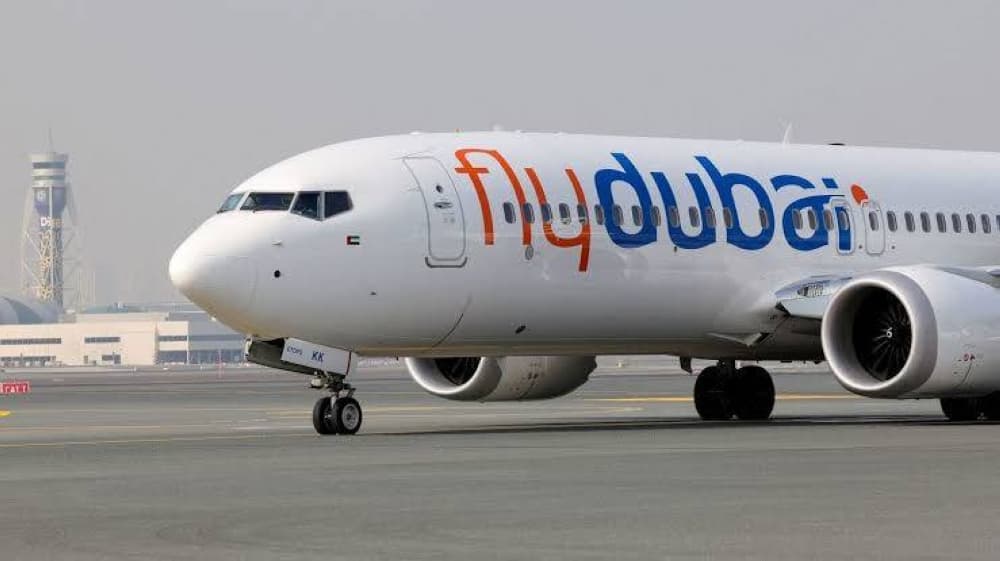
Flydubai flight makes emergency landing in Saudi Arabia with Israeli passengers
Why it matters
This incident underscores the importance of international aviation laws that prioritize passenger safety over nationality.
What happened (in 30 seconds)
- Emergency landing: Flydubai flight FZ1073 from Dubai to Tel Aviv made an emergency landing at Tabuk Airport due to a cockpit incident.
- Passenger nationality: The flight carried over 172 Israeli passengers, highlighting the complexities of international aviation protocols.
- Saudi response: Saudi authorities provided immediate assistance in line with international aviation distress protocols, despite rejecting an Israeli military extraction request.
The context you actually need
- International aviation law: The Chicago Convention mandates that countries provide assistance to aircraft in distress, regardless of passenger nationalities.
- Previous incidents: Similar situations have occurred, such as a 2023 Air Seychelles emergency landing in Jeddah with Israeli passengers.
- Saudi regulations: Saudi civil aviation laws require search and rescue support for distressed aircraft, reflecting a commitment to international cooperation.
What's really happening
On September 30, 2026, Flydubai flight FZ1073, en route from Dubai to Tel Aviv, encountered a cockpit incident that necessitated an emergency landing at Tabuk Airport. The pilots activated emergency transponder codes 7700 and 7500, indicating a distress situation. The aircraft landed safely at approximately 9:45 a.m. local time, thanks to the crew's effective intervention.
Upon landing, Saudi authorities promptly activated emergency protocols, providing medical care to the injured pilots and support to the passengers. This response was in accordance with the Chicago Convention, which obligates countries to assist aircraft in distress without regard to the nationality of the passengers onboard. However, an Israeli request for military extraction flights was denied, emphasizing the distinction between emergency assistance and scheduled commercial operations.
The incident highlights the operational resilience of Flydubai, a Dubai-based carrier, which managed the incident response and coordinated the replacement aircraft for the passengers. After receiving care in the terminal, the passengers were able to depart on a replacement Flydubai flight, demonstrating the airline's commitment to passenger safety and service continuity.
This event also reflects broader implications for international aviation, particularly in the context of Middle Eastern geopolitics. The refusal of the Israeli military request indicates the complexities of regional relations, even in emergency situations. While the immediate response was effective, the incident raises questions about the future of aviation cooperation in the region, especially as air travel continues to grow.
As investigations into the cockpit incident continue, the aviation community will be closely monitoring the outcomes. The incident serves as a reminder of the importance of adhering to international protocols and the need for robust emergency response systems in aviation.
Who feels it first (and how)
- Airlines: Increased scrutiny on emergency protocols and operational readiness.
- Passengers: Heightened awareness of safety measures and international aviation laws.
- Aviation authorities: Pressure to ensure compliance with international standards and improve crisis management.
What to watch next
- Investigation outcomes: The findings from the cockpit incident investigation will clarify operational protocols and safety measures moving forward.
- Regional aviation policies: Changes in aviation cooperation agreements between Israel and Saudi Arabia could emerge, impacting future flights.
- Passenger safety regulations: Potential updates to international aviation laws may arise, influencing how airlines manage emergencies.
Saudi authorities activated emergency protocols effectively, providing immediate assistance to the passengers.
Increased collaboration between airlines and aviation authorities to enhance emergency response strategies.
The long-term impact on regional aviation relations and how it may affect future flights between Israel and Saudi Arabia.
Frequently Asked Questions
- Why it matters?
- This incident underscores the importance of international aviation laws that prioritize passenger safety over nationality.
- What happened (in 30 seconds)?
- Emergency landing: Flydubai flight FZ1073 from Dubai to Tel Aviv made an emergency landing at Tabuk Airport due to a cockpit incident. Passenger nationality: The flight carried over 172 Israeli passengers, highlighting the complexities of international aviation protocols. Saudi response: Saudi authorities provided immediate assistance in line with international aviation distress protocols, despite rejecting an Israeli military extraction request.
- What's really happening?
- On September 30, 2026, Flydubai flight FZ1073, en route from Dubai to Tel Aviv, encountered a cockpit incident that necessitated an emergency landing at Tabuk Airport. The pilots activated emergency transponder codes 7700 and 7500, indicating a distress situation. The aircraft landed safely at approximately 9:45 a.m. local time, thanks to the crew's effective intervention. Upon landing, Saudi authorities promptly activated emergency protocols, providing medical care to the injured pilots and su
- Who feels it first (and how)?
- Airlines: Increased scrutiny on emergency protocols and operational readiness. Passengers: Heightened awareness of safety measures and international aviation laws. Aviation authorities: Pressure to ensure compliance with international standards and improve crisis management.
- What to watch next?
- Investigation outcomes: The findings from the cockpit incident investigation will clarify operational protocols and safety measures moving forward. Regional aviation policies: Changes in aviation cooperation agreements between Israel and Saudi Arabia could emerge, impacting future flights. Passenger safety regulations: Potential updates to international aviation laws may arise, influencing how airlines manage emergencies.
Arabic-language reporting focused on domestic developments in Saudi Arabia.
"Okaz is a mainstream Saudi newspaper that often reflects domestic priorities and official-facing coverage."
— A47 Editor
«سلامة النقل» يباشر التحقيق في الهبوط الاضطراري لرحلة «فلاي دبي» بتبوك
The National Transportation Safety Center has initiated an investigation into the emergency landing of Fly Dubai flight FZ1073 at Prince Sultan bin Abdulaziz International Airport in Tabuk. The center received a report regarding the incident and has ...
Arabic-language reporting focused on Saudi domestic affairs and current events.
"Al Watan is a mainstream Saudi newspaper with strong domestic coverage and a broad general-news profile."
— A47 Editor
جنسيات الركاب لا تحكم هبوط الطوارئ
More than 172 Israelis were aboard flight FZ1073 from Dubai to Tel Aviv when an incident in the cockpit necessitated an emergency landing at Tabuk Airport, where the aircraft landed safely. This event highlights the distinction between emergency land...
English-language reporting on Saudi politics, policy, and society.
"Saudi Gazette reflects mainstream Saudi institutional perspectives."
— A47 Editor
Flydubai flight makes emergency landing at Tabuk airport; two pilots injured
A Flydubai flight, FZ1073, made an emergency landing at Prince Sultan bin Abdulaziz International Airport in Tabuk on September 30 after the captain and co-pilot sustained injuries during the flight. The aircraft issued a distress call at 8:44 a.m. a...
English-language reporting focused on Saudi Arabia and regional affairs.
"Saudi Gazette provides English-language coverage that often aligns with mainstream Saudi news priorities."
— A47 Editor
Flydubai flight makes emergency landing at Tabuk airport; two pilots injured
A Flydubai flight, FZ1073, made an emergency landing at Prince Sultan bin Abdulaziz International Airport in Tabuk on September 30 after the captain and co-pilot sustained injuries during the flight. The aircraft issued a distress call at 8:44 a.m. a...
Arabic-language reporting focused on Saudi domestic affairs and current events.
"Al Watan is a mainstream Saudi newspaper with strong domestic coverage and a broad general-news profile."
— A47 Editor
هبوط اضطراري لطائرة فلاي دبي في مطار تبوك
A Fly Dubai flight made an emergency landing at Prince Sultan bin Abdulaziz International Airport in Tabuk after a distress call was received at 8:44 AM. The aircraft landed safely at 9:45 AM, but both the captain and co-pilot sustained injuries and ...