
Carney Reports Progress in US Trade Talks as Canada Advances ASEAN and Philippines Free Trade Agreements
Why it matters
Canada’s synchronized negotiation strategy reveals how mid-tier industrial economies use regional trade blocs to re-anchor bargaining leverage during high-stakes bilateral tariff conflicts.
What happened (in 30 seconds)
- High-level engagement resumed: Canadian Prime Minister Mark Carney reported progress in bilateral discussions with U.S. President Donald Trump, U.S. Trade Representative Jamieson Greer, and White House Chief of Staff Stephen Miller following months of friction.
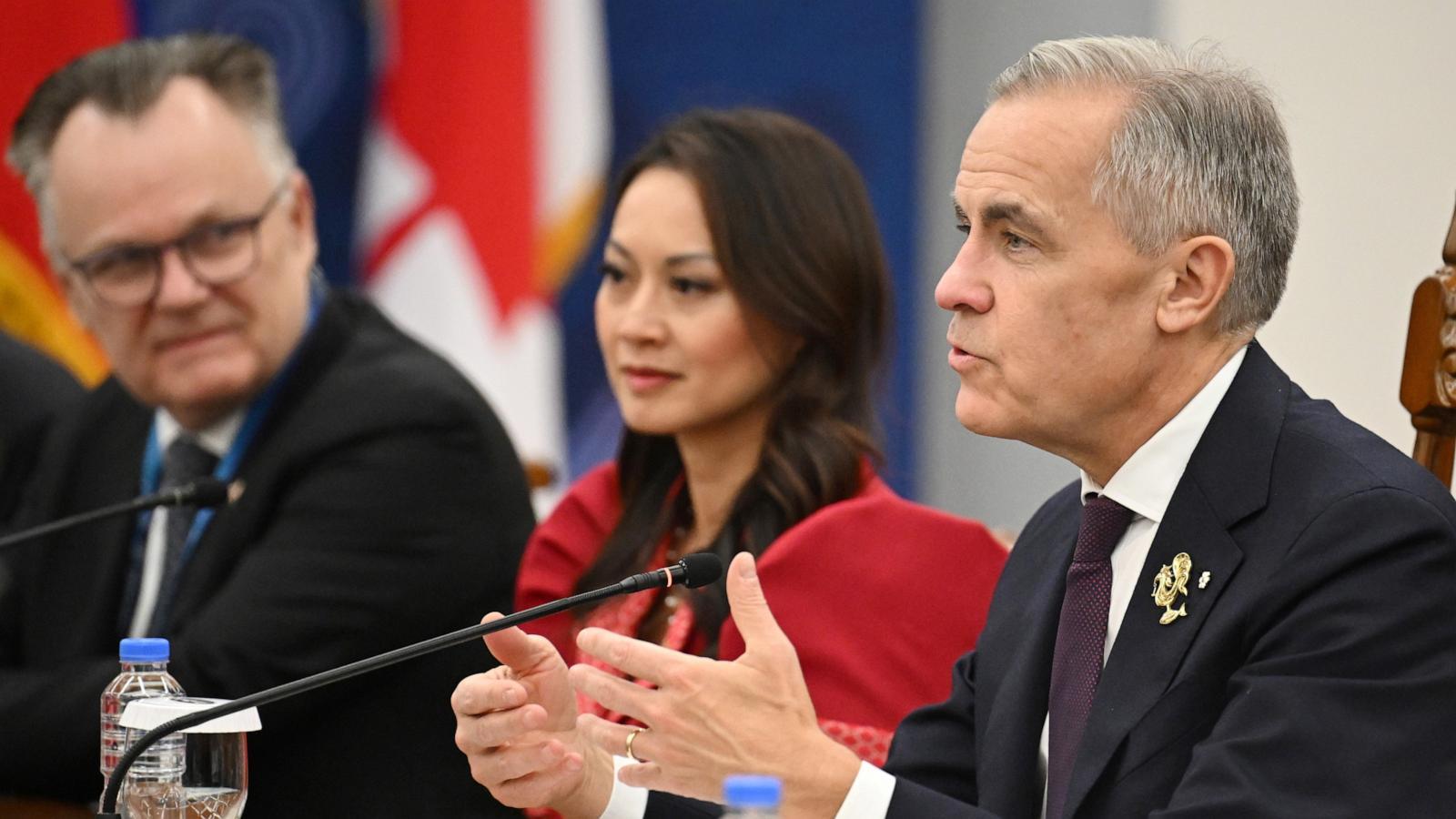
- ASEAN negotiations concluded: Speaking from Manila on November 14, 2026, Carney announced the substantial conclusion of a free trade agreement with ASEAN, a trade bloc representing nearly 700 million people.
- Bilateral pact finalized with Manila: Canada concluded separate bilateral trade negotiations with the Philippines, eliminating or reducing duties on more than 90% of tariff lines.
The context you actually need
- August breakdown and tariff escalation: Bilateral trade talks between Ottawa and Washington collapsed in August 2026 over last-minute U.S. conditions, triggering 50% U.S. tariffs on approximately $20 billion worth of Canadian shipments and subsequent Canadian retaliatory tariffs in September.
- A multi-stop diplomatic circuit: Carney’s announcements in Manila followed his attendance at the European Political Community summit in Ireland, forming part of an itinerary that spanned the ASEAN summit, the Francophonie summit in Cambodia, and the APEC summit in China.
- Quantifiable economic upside: Canadian government figures estimate the ASEAN free trade pact will generate an annual economic addition of 2 billion Canadian dollars (US$1.4 billion) and support nearly 14,000 domestic jobs.
What's really happening
The concurrent diplomacy unfolding across Manila and Washington illustrates how export-reliant economies manage extreme asymmetry. When bilateral trade talks collapsed in August 2026, Washington’s imposition of 50% tariffs across $20 billion in Canadian goods exposed the systemic vulnerability of Canada’s export concentration. Rather than absorbing these costs or attempting immediate full concessions, Ottawa activated an alternative trade channel across the Asia-Pacific basin.
Carney’s dialogue with Donald Trump, Jamieson Greer, and Stephen Miller demonstrates that stabilizing the North American border remains essential, particularly for capital-intensive sectors like automotive manufacturing. Automotive supply chains cross the U.S.-Canada border multiple times before final assembly. Maintaining competitive terms for auto components is non-negotiable for Ottawa. Yet, by conducting these discussions while physically present in Manila to advance agreements with ASEAN and Philippine President Ferdinand Marcos Jr., Canada altered the baseline mechanics of the discussion.
The economic reality is defined by structural incentives. ASEAN gives Canadian exporters direct, preferential entry into a market of nearly 700 million consumers. While a 2 billion Canadian dollar (US$1.4 billion) annual addition does not immediately replace the scale of the U.S. consumer market, it alters marginal capital allocations. The standalone Philippine pact, covering over 90% of tariff lines, is officially projected to triple bilateral export volumes by 2035.
This dual-track approach functions as balance-sheet risk mitigation. By securing long-term institutional market share in fast-growing Southeast Asian manufacturing and agricultural import corridors, Canada builds an institutional shock absorber. That buffer softens the economic impact of unresolved North American disputes, including lingering steel and aluminum tariff friction. Crucially, the parallel tracks show trade partners that Canadian industrial capacity possesses viable alternate off-ramps. For global operators, this signals that market access terms negotiated in Western capitals will increasingly be counterweighted by preferential networks negotiated in Asia.
Who feels it first (and how)
- Canadian automotive manufacturers and parts suppliers: Face direct exposure to the ongoing North American talks, where protecting integrated cross-border supply chains remains the central negotiating priority.
- Agricultural and industrial goods exporters: Stand to gain initial commercial advantages from the ASEAN pact, which is modeled to support nearly 14,000 Canadian jobs primarily focused in these two sectors.
- Philippine trade and distribution networks: Benefit from market access covering more than 90% of tariff lines, positioning domestic importers for an anticipated tripling of bilateral Canadian trade flows by 2035.
- North American steel and aluminum producers: Remain subject to existing tariff structures pending explicit sectoral reductions that Carney noted remain under consideration.
What to watch next
- 2027 formal treaty signatures: Formal signing events for the ASEAN and bilateral Philippines agreements are scheduled for 2027, which will lock in binding legal access terms and phased tariff reduction schedules.
- Sectoral tariff relief announcements: Watch for targeted adjustments on Canadian steel and aluminum shipments, which serve as the primary indicator that bilateral U.S. talks are translating into concrete border adjustments.
- APEC summit multilateral engagements: Carney's discussions during the Asia-Pacific Economic Cooperation forum in China will clarify how deeply Canadian diversification efforts extend into East Asian logistics corridors.
Ottawa and Washington have resumed direct trade dialogue without formalizing an agreement; Canada has concluded substantial negotiations on an ASEAN free trade agreement and finished a standalone deal with the Philippines.
The formal execution of the ASEAN and Philippine agreements in 2027 will drive capital reallocations into Canadian agricultural and industrial export processing facilities targeting Southeast Asia.
Whether bilateral negotiations between Carney and Trump will yield a comprehensive trade framework or settle into narrow, sector-specific tariff rollbacks focused strictly on raw materials.
Frequently Asked Questions
- Why it matters?
- Canada’s synchronized negotiation strategy reveals how mid-tier industrial economies use regional trade blocs to re-anchor bargaining leverage during high-stakes bilateral tariff conflicts.
- What happened (in 30 seconds)?
- High-level engagement resumed: Canadian Prime Minister Mark Carney reported progress in bilateral discussions with U.S. President Donald Trump, U.S. Trade Representative Jamieson Greer, and White House Chief of Staff Stephen Miller following months of friction. ASEAN negotiations concluded: Speaking from Manila on November 14, 2026, Carney announced the substantial conclusion of a free trade agreement with ASEAN, a trade bloc representing nearly 700 million people. Bilateral pact finalized with
- What's really happening?
- The concurrent diplomacy unfolding across Manila and Washington illustrates how export-reliant economies manage extreme asymmetry. When bilateral trade talks collapsed in August 2026, Washington’s imposition of 50% tariffs across $20 billion in Canadian goods exposed the systemic vulnerability of Canada’s export concentration. Rather than absorbing these costs or attempting immediate full concessions, Ottawa activated an alternative trade channel across the Asia-Pacific basin. Carney’s dialogue
- Who feels it first (and how)?
- Canadian automotive manufacturers and parts suppliers: Face direct exposure to the ongoing North American talks, where protecting integrated cross-border supply chains remains the central negotiating priority. Agricultural and industrial goods exporters: Stand to gain initial commercial advantages from the ASEAN pact, which is modeled to support nearly 14,000 Canadian jobs primarily focused in these two sectors. Philippine trade and distribution networks: Benefit from market access covering more
- What to watch next?
- 2027 formal treaty signatures: Formal signing events for the ASEAN and bilateral Philippines agreements are scheduled for 2027, which will lock in binding legal access terms and phased tariff reduction schedules. Sectoral tariff relief announcements: Watch for targeted adjustments on Canadian steel and aluminum shipments, which serve as the primary indicator that bilateral U.S. talks are translating into concrete border adjustments. APEC summit multilateral engagements: Carney's discussions duri
Capitol Hill news, legislation, and policy insight.
"The Hill specializes in U.S. politics and policy, with a focus on Capitol Hill developments and a reputation for insider reporting."
— A47 Editor
Carney says he's 'making progress' with Trump on possible US-Canada trade deal
Canadian Prime Minister Mark Carney said Saturday in Manila that trade negotiations between Canada and the United States are progressing amid a monthslong tariff dispute, after he held a conversation with President Donald Trump, U.S. Trade Representa...
Canadian and international political developments and policy debates.
"Global News is a mainstream Canadian outlet with a centrist editorial stance, focusing on factual reporting."
— A47 Editor
Canada-U.S. trade deal must include viable auto sector, Carney says
Prime Minister Mark Carney says Canada-U.S. trade talks are making progress, but Ottawa will not accept a trade agreement that fails to allow for a viable auto sector, according to Global News.
Major U.S. developments and regional news.
"ABC News delivers broad national coverage with a mainstream editorial stance, focusing on accessibility and balanced reporting."
— A47 Editor
Canada’s Carney reports progress in trade talks with Trump as he expands ties with Asia
Canadian Prime Minister Mark Carney says Canada and the United States are making progress on a trade deal after negotiations collapsed in August, while he expands Canada's ties with Asia, according to ABC News.
Macro commentary, policy analysis, growth/inflation themes, and global outlooks.
"Contextual macro coverage that complements day-to-day market headlines."
— A47 Editor
Canada, US make progress on trade deal, Carney says
Canada and the United States have made progress toward a trade deal, Prime Minister Mark Carney said, while work on the agreement remains ongoing. Reports from Investing.com framed the remarks within continuing tariff negotiations, with U.S. Presiden...