
Iran Nuclear Diplomacy Stalls as Strait of Hormuz Tanker Incidents and US Naval Blockade Escalate Tensions
Why it matters
Maritime friction in the world's most critical energy transit corridor tightens physical crude availability and elevates insurance premiums across international shipping lanes.
What happened (in 30 seconds)
- High-level intelligence coordination expanded: Mossad Director Roman Gofman met in Washington with U.S. officials, including CIA Director John Ratcliffe, to present briefings regarding Iranian nuclear advancements and long-range ballistic missile development.
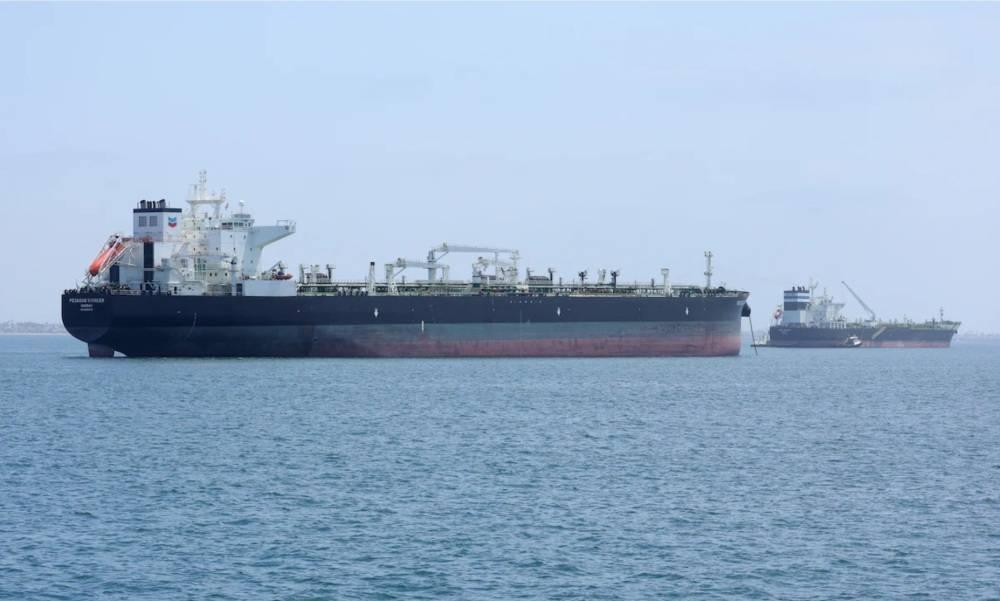
- Maritime disruptions hit commercial traffic: Iran's IRGC Navy claimed two commercial crude carriers suffered explosions from naval mines in the Strait of Hormuz, following reports of an incident involving a gas tanker and a projectile strike near Ras Al Khaimah.
- Monitoring verification stalled: The International Atomic Energy Agency (IAEA) reported restricted access to a newly declared enrichment facility in Isfahan, while U.S. Central Command confirmed intercepting Iranian unmanned aerial systems.
The context you actually need
- Pre-existing nuclear baselines: Prior to military strikes on nuclear and defense infrastructure that began in June 2025, the IAEA recorded Iran's stockpile of uranium enriched to 60% purity at 440.9 kilograms.
- Enforcement through maritime controls: The United States maintains an operational naval blockade targeting Iranian export terminals, sharply restricting petroleum outflows and driving targeted retaliatory posturing.
- Conditional diplomatic terms: Iranian authorities have explicitly conditioned the resumption of comprehensive nuclear negotiations and full IAEA monitoring access on the formal cessation of sanctions and military posture.
What's really happening
The simultaneous friction in the Strait of Hormuz and diplomatic deadlocks in Washington and Vienna reflect structural bargaining rather than isolated tactical skirmishes.
First, look at the maritime economics. The Strait of Hormuz represents the single transit chokepoint through which approximately one-fifth of global petroleum liquid consumption moves. Iran's reported deployment of naval mine warfare and asymmetric drone activities directly pressures commercial navigation. When tankers face hull damage or transit hazards, marine underwriters adjust war-risk premiums upward. Even without physical destruction of shipping assets, the sheer threat environment forces commercial carriers to reroute, adjust speeds, or pay higher protection fees. This mechanic translated directly to crude benchmarks, pushing Brent upward by approximately 1.3% in proximate trading sessions.
Second, consider the leverage dynamics governing the nuclear portfolio. Tehran faces acute fiscal contraction from the sustained naval blockade limiting oil revenues. Denying IAEA inspectors entry into the newly declared enrichment facility at Isfahan serves as a concrete bargaining chip. By restricting transparency around material inventories—particularly with an established benchmark of 440.9 kilograms of 60% enriched material recorded prior to the June 2025 kinetic strikes—Iran leverages ambiguity to counter economic containment. Iran has established a rigid posture: technical monitoring cannot resume while external threats and economic blockades remain active.
Third, observe the intelligence alignment between Washington and Tel Aviv. The working sessions between Mossad Chief Roman Gofman and CIA Director John Ratcliffe demonstrate a coordinated effort to align red lines regarding long-range delivery systems and fuel-cycle thresholds. While operational discussions examine kinetic deterrence options, administrative preferences in Washington continue to favor economic encirclement and naval interdiction in the near term. Regional states, meanwhile, manage operational risk by pursuing diplomatic caution and seeking alternative routing mechanisms for wet bulk and liquefied natural gas cargoes. The resulting operational deadlock ensures sustained baseline volatility for shipping, energy, and regional logistical operations.
Who feels it first (and how)
- Energy Logistics and Fleet Operators: Maritime shipping companies and cargo owners face immediate increases in hull and machinery war-risk insurance premiums, requiring operational route reassessments around the Strait of Hormuz.
- Dubai and Regional Import-Export Hubs: Local distribution, logistics, and trading firms absorb higher landed shipping freight rates, creating downstream pricing pressures across retail, manufacturing, and consumer supply chains.
- Commodity Procurement Directors: Corporate treasury and supply chain teams experience elevated crude price swings (demonstrated by Brent's ~1.3% jump), driving up fuel surcharges and baseline transportation costs.
- Energy-Intensive Industrial Sectors: Manufacturing and utility entities dependent on continuous gas and petroleum flows must factor in contingency delivery routes, including pipeline rerouting and non-gulf maritime logistics.
What to watch next
- IAEA Board of Governors Resolutions: Watch for official statements detailing the timeline and terms demanded for inspector verification at the declared Isfahan enrichment facility.
- Joint Maritime Information Center Verification: Monitor independent naval tracking and insurer confirmations of physical hull impacts or mine strikes affecting commercial vessels in the Gulf of Oman and Strait of Hormuz.
- Alternative Hydrocarbon Logistics Flow: Track utilization metrics for overland bypass pipelines avoiding Hormuz transit to evaluate how volume diversions mitigate transport bottlenecks.
The IAEA is currently denied physical inspection access to Iran's Isfahan facility; U.S. forces intercepted Iranian drones; Brent crude rose approximately 1.3% following reported shipping disruptions; Iran held 440.9 kg of 60% enriched uranium before June 2025 strikes.
Shipping underwriters will adjust maritime risk surcharges upward across the Persian Gulf, sustaining higher operating expenses for regional sea cargo through Q4 2026.
Independent verification regarding the specific identities, flags, and physical casualty status of the two commercial tankers reportedly targeted by naval mines remains unconfirmed.
Frequently Asked Questions
- Why it matters?
- Maritime friction in the world's most critical energy transit corridor tightens physical crude availability and elevates insurance premiums across international shipping lanes.
- What happened (in 30 seconds)?
- High-level intelligence coordination expanded: Mossad Director Roman Gofman met in Washington with U.S. officials, including CIA Director John Ratcliffe, to present briefings regarding Iranian nuclear advancements and long-range ballistic missile development. Maritime disruptions hit commercial traffic: Iran's IRGC Navy claimed two commercial crude carriers suffered explosions from naval mines in the Strait of Hormuz, following reports of an incident involving a gas tanker and a projectile strik
- What's really happening?
- The simultaneous friction in the Strait of Hormuz and diplomatic deadlocks in Washington and Vienna reflect structural bargaining rather than isolated tactical skirmishes. First, look at the maritime economics. The Strait of Hormuz represents the single transit chokepoint through which approximately one-fifth of global petroleum liquid consumption moves. Iran's reported deployment of naval mine warfare and asymmetric drone activities directly pressures commercial navigation. When tankers face h
- Who feels it first (and how)?
- Energy Logistics and Fleet Operators: Maritime shipping companies and cargo owners face immediate increases in hull and machinery war-risk insurance premiums, requiring operational route reassessments around the Strait of Hormuz. Dubai and Regional Import-Export Hubs: Local distribution, logistics, and trading firms absorb higher landed shipping freight rates, creating downstream pricing pressures across retail, manufacturing, and consumer supply chains. Commodity Procurement Directors: Corporat
- What to watch next?
- IAEA Board of Governors Resolutions: Watch for official statements detailing the timeline and terms demanded for inspector verification at the declared Isfahan enrichment facility. Joint Maritime Information Center Verification: Monitor independent naval tracking and insurer confirmations of physical hull impacts or mine strikes affecting commercial vessels in the Gulf of Oman and Strait of Hormuz. Alternative Hydrocarbon Logistics Flow: Track utilization metrics for overland bypass pipelines av
Jordanian news and regional updates.
"Roya News is a Jordanian outlet focused on breaking news and local affairs."
— A47 Editor
رئيس الموساد يعود من واشنطن وملف إيران أمام الكابينت وسط خلافات بشأن توقيت التحرك
Mossad chief Roman Gofman has returned from Washington as the Iran file is placed before the Israeli security cabinet, amid reported disagreements over the timing of any move, according to Royanews.
Coverage of political affairs and regional developments from a Saudi perspective.
"Al Watan political coverage typically follows a mainstream Saudi framing of regional and national issues."
— A47 Editor
نووي إيران يعود للواجهة والناقلات تدفع الثمن
Israeli Mossad chief Ronen Bar...
Pan-Arab political news and analysis.
"Al-Quds Al-Arabi is a London-based Arabic newspaper known for political coverage."
— A47 Editor
رئيس الموساد يجري محادثات في واشنطن بشأن الحرب على إيران
Israeli newspaper Haaretz reported on Friday that Mossad chief Ronen Bar... [see note] — specifically, the report states that Mossad head Roman Gofman is holding talks with senior U.S. administration officials in Washington about the war on Iran, ami...
Arabic-language political and world news coverage for UAE readers.
"Emarat Al Youm world coverage usually presents international developments through a UAE and Arab audience lens."
— A47 Editor
"أكسيوس": رئيس الموساد في واشنطن وسط ضغوط من نتنياهو على ترامب لاستئناف حرب إيران "أكسيوس": رئيس الموساد في واشنطن وسط ضغوط من نتنياهو على ترامب لاستئناف حرب إيران
Citing three informed sources, the Axios news site reported that Israeli intelligence chief Roman Gofman (Mossad) is in Washington amid pressure from Prime Minister Benjamin Netanyahu on President Donald Trump to resume the war against Iran, accordin...