Bio
Saqib is COO and co-founder at A47 AI, where he runs operations and leads the prediction-markets initiative. He covers crypto, Web3, and the decentralization of the sport and entertainment economy.
Editorial Responsibility
As A47's prediction-markets and crypto editor, I am responsible for our coverage of these markets and Web3 — ensuring it is grounded in real product, data, and revenue rather than speculation.
Previous experience · 14+ years
- · WPP Media (GroupM PK, Wavemaker PH)
- · MYCO
- · ARY Digital Network
Education
MBA Marketing, SZABIST
Areas of expertise
Categories overseen
Stories from Saqib Pathan’s desk
9243 stories- Business· World
OpenAI Closes $11 Billion Initial Tranche at $1.25 Trillion Valuation Amid Postponed IPO
OpenAI completed an initial $11 billion tranche of a larger funding round at a $1.25 trillion valuation on November 6, 2026, with investors including Coatue Management, T. Rowe Price, SoftBank Group and UAE-based MGX participating. The raise followed the company's decision to postpone its IPO and scale back earlier targets of up to $30 billion at $1.4 trillion as investor sentiment toward AI cooled and valuation pressures mounted. The round is expected to reach up to $20 billion through additional closings, supporting continued AI infrastructure investment while OpenAI reassesses its growth trajectory and public listing timeline.
3 sourcesNov 10Moderate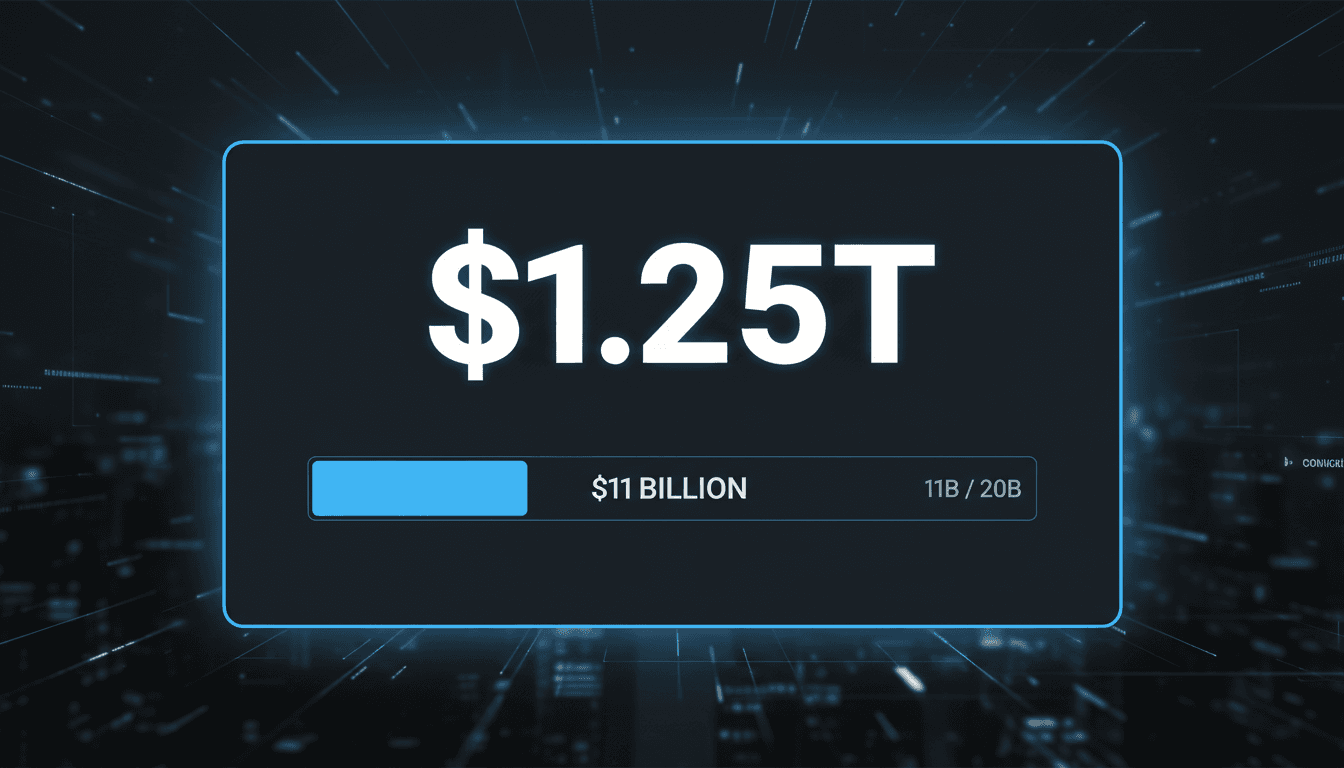
- Economy· World
China Extends Suspension of 24% US Tariffs and Export Control Waivers Until January 10 2027
On November 9 2026 China's State Council announced a two-month extension of its suspension of an additional 24% tariff on US imports effective November 10 while keeping a 10% baseline tariff, alongside extended export-control waivers on critical minerals and port-fee suspensions on US-linked vessels until January 10 2027. The move implements the September 2026 consensus between Presidents Xi and Trump, timed to precede a Trump-Xi meeting expected at the APEC leaders' summit in Shenzhen, and follows the October 2025 Busan truce framework. The extension provides temporary bilateral trade stability and sets the stage for further negotiations on a proposed $60 billion package of reciprocal tariff reductions, including roughly $17 billion in US agricultural exports.
5 sourcesNov 9Moderate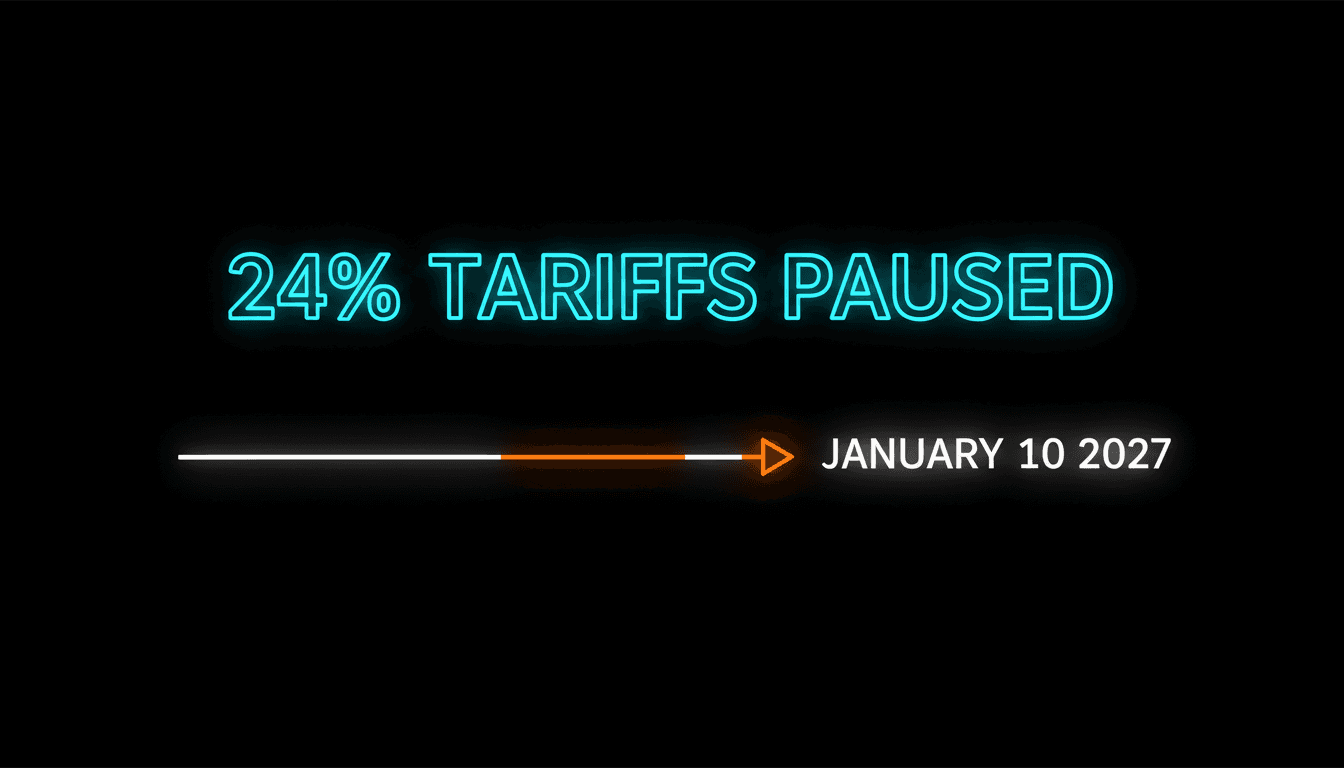
- Economy· World
Taiwan Activates National Financial Stabilization Fund and Short-Selling Curbs After Taiex Plunges 12.19% in Week
On November 6, 2026, Taiwanese authorities authorized the National Financial Stabilization Fund to deploy up to NT$500 billion and announced tightened short-selling restrictions effective November 9 after the Taiex recorded its worst weekly decline since 2001. The sell-off was triggered by a global AI-related equity rout following the U.S. midterm elections, which raised concerns over tighter AI infrastructure regulation, alongside record foreign outflows of NT$994 billion in October amid Taiwan's heavy exposure to semiconductor exports. The intervention is likely to sustain pressure on the government to restore investor confidence through capital support and corporate share buybacks, while Taiwan's market remains structurally exposed to the trajectory of global AI spending.
3 sourcesNov 9Moderate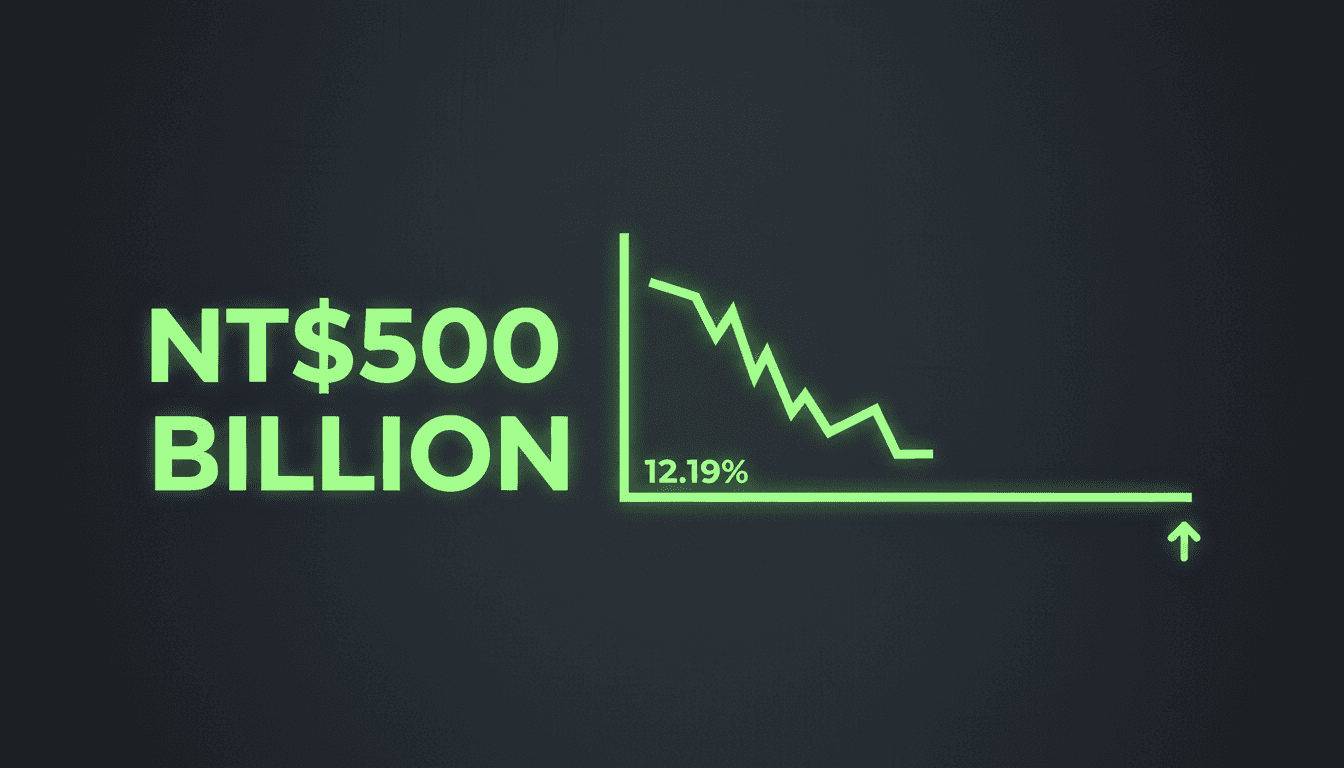
- Economy· World
U.S. Nonfarm Payrolls Rise 165000 in October 2026 as Unemployment Eases to 4.1 Percent
The U.S. Bureau of Labor Statistics reported on November 6, 2026 that nonfarm payrolls increased by 165000 in October, with unemployment falling to 4.1 percent. The outcome exceeded consensus forecasts of around 65000, driven by gains in professional and business services, health care, transportation, and manufacturing, with upward revisions to August and September. The stronger data raises expectations of a Federal Reserve rate increase at the December 2026 meeting, which would tighten financial conditions while persistent inflation and subdued wage gains keep the labor market's durability under scrutiny.
5 sourcesNov 9Moderate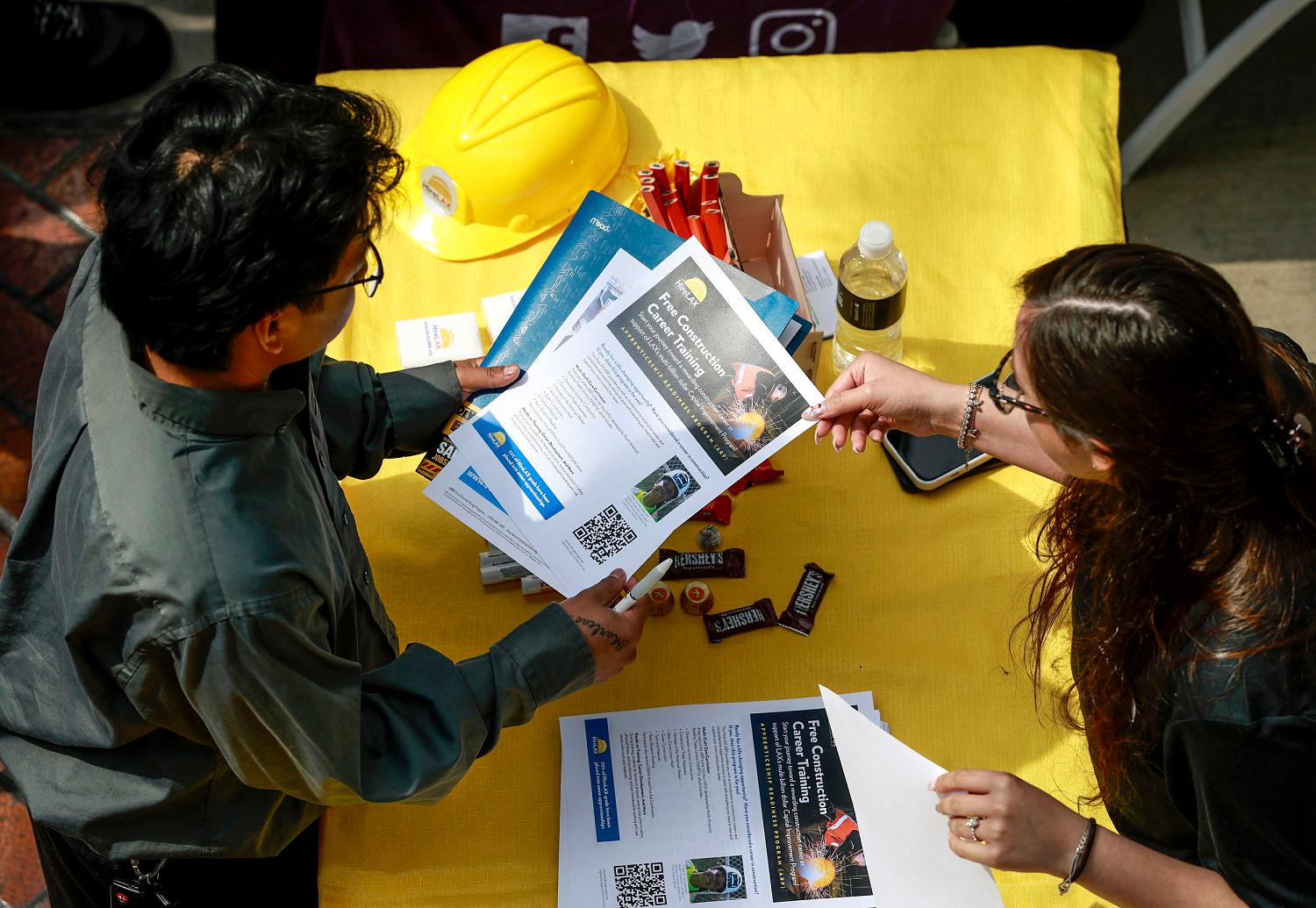
- Economy· World
Williams Says US Inflation Remains Too High and Reaffirms 2 Percent Target Commitment
On November 6, 2026, New York Federal Reserve President John Williams told an ECB conference in Frankfurt that U.S. inflation is absolutely too high and must return to the 2 percent target on a timely and sustained basis. The statement follows persistent price pressures from the Iran conflict, Strait of Hormuz disruptions, President Trump's import tariffs, and AI infrastructure demand, combined with a stronger-than-expected October jobs report of 165,000 positions ahead of the December 8-9 FOMC meeting. Policy is likely to remain data-dependent and forward-looking, with the Fed prioritising anchored expectations and avoiding second-round effects even as the 3.75-4 percent federal funds range holds.
3 sourcesNov 9Low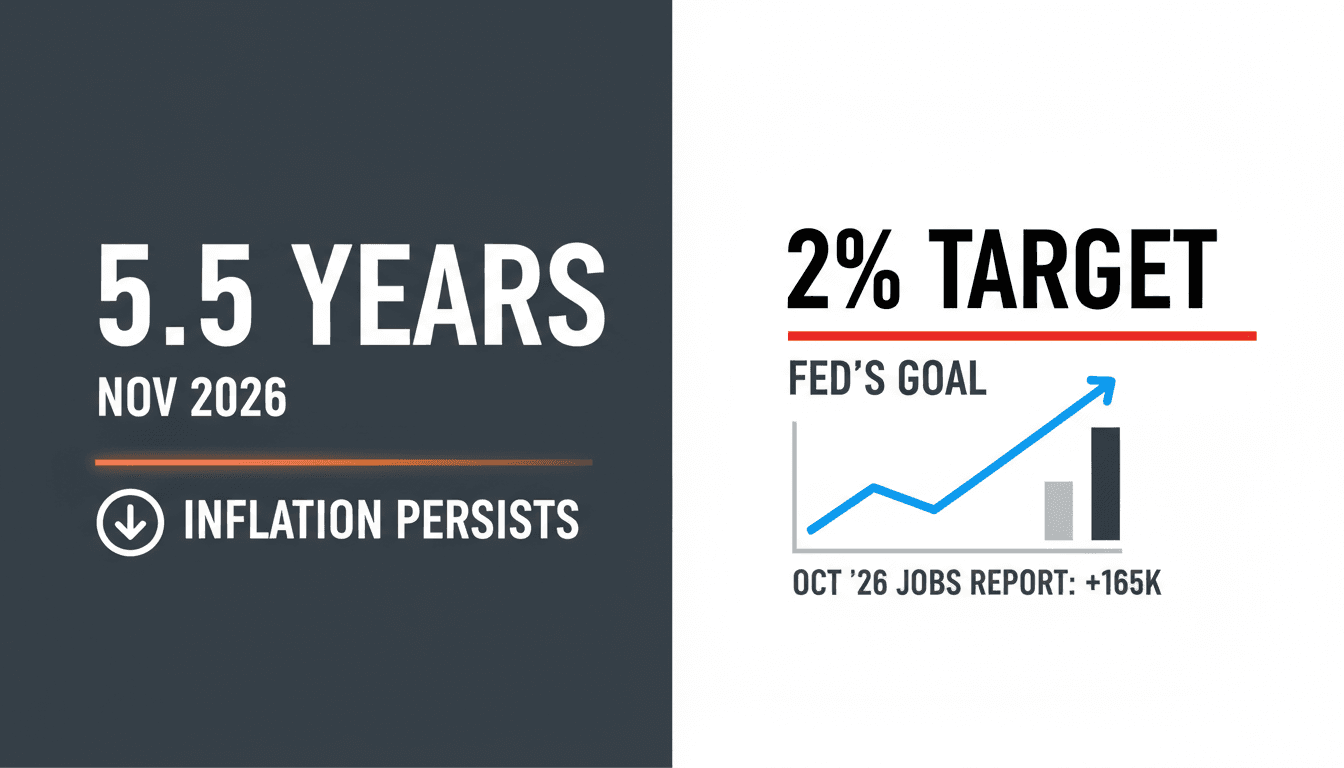
- Crypto· MENA
Nigeria Sets N15bn and N10bn Capital Thresholds and Licensing Regime for Stablecoin Issuers
On November 5, 2026, the Central Bank of Nigeria issued 169-page regulations imposing mandatory licensing, minimum paid-up capital of N10 billion for naira-referenced and N15 billion for foreign-currency-referenced stablecoin issuers, full reserves with overcollateralization, and a ban on algorithmic designs. The move follows the CBN's long-standing cautious stance toward crypto and its prior restriction of bank involvement in digital asset transactions, shifting policy from debate to detailed operational rules. The framework is likely to force offshore and smaller operators to localize or exit the Nigerian market during the 180-day transition ending May 4, 2027, tightening regulatory control over virtual asset payments and remittances.
4 sourcesNov 9Moderate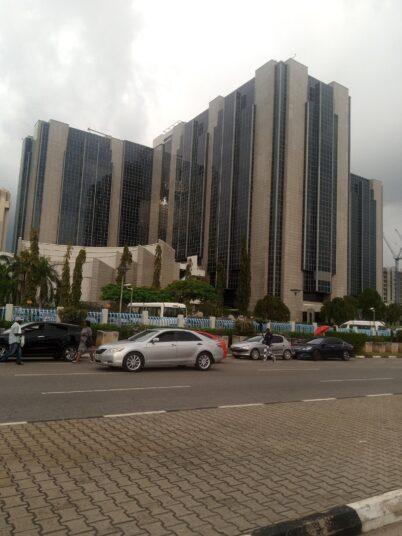
- Business· World
Nasdaq Composite Rebounds 1.09 Percent on November 6 2026 but Posts Fourth Consecutive Weekly Decline of 3.4 Percent
On November 6 2026 the Nasdaq Composite closed up 1.09 percent at 24579.43 while recording its fourth straight weekly loss of 3.4 percent and entering correction territory after a broad semiconductor-led recovery from Thursday's AI-related selloff. The rebound followed the sharpest tech drubbing in over a year, driven by investor scrutiny of the AI buildout, rising long-term Treasury yields, and stronger-than-expected October payrolls that lifted bets on possible Federal Reserve rate hikes. Continued conviction in AI as a dominant bull-market theme is likely to keep semiconductor and growth equities highly sensitive to Federal Reserve signals and labor data in the near term.
4 sourcesNov 9Low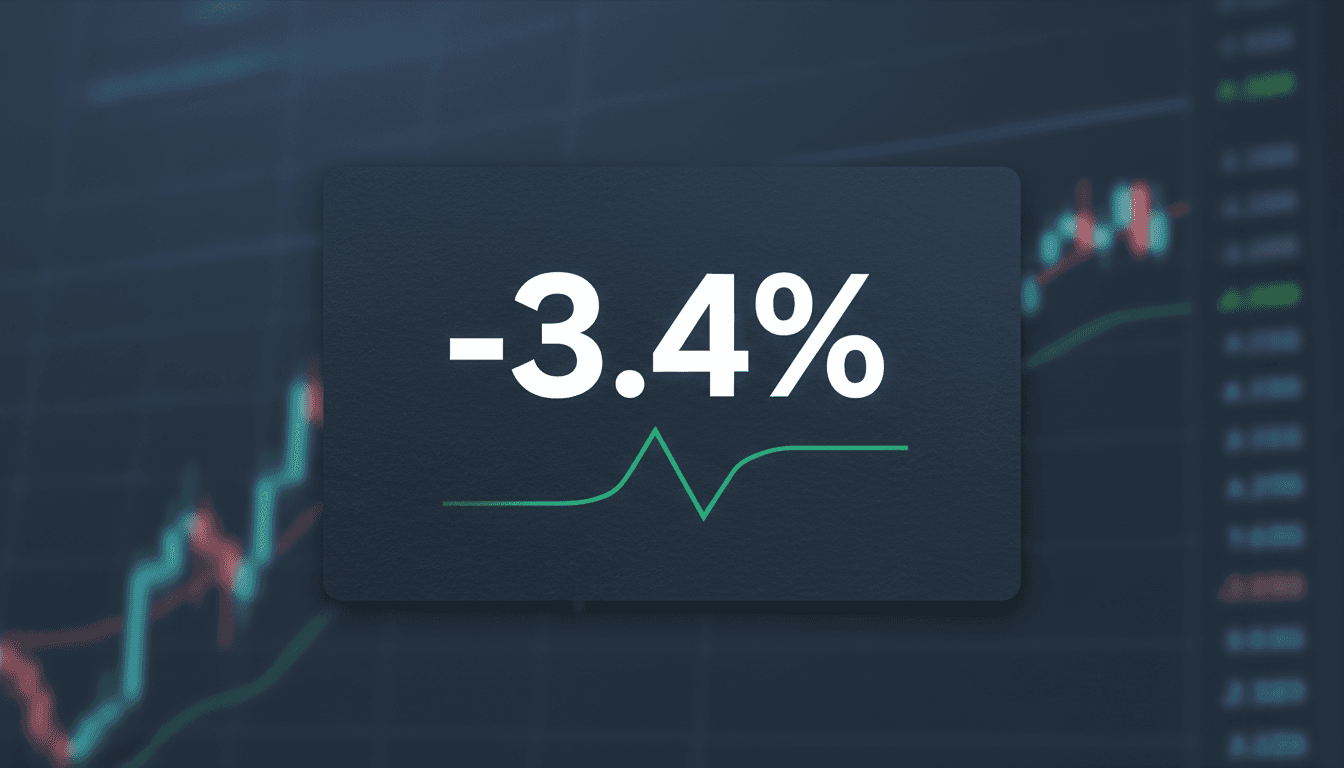
- Economy· World
Global Analyst Downgrades and Buy Calls Follow 4.4 Percent S&P 500 Drop After Post-Midterm AI Stock Rout
Analysts at Yardeni Research, Citi, TD Cowen, and Bank of America issued mixed downgrades and buy recommendations on AI-linked names including Marvell, Adobe, and HubSpot on November 6-8, 2026, after the S&P 500 fell 4.4 percent and the Nasdaq entered correction territory. The selloff was triggered by Democratic electoral gains that raised concerns over data center approvals, alongside AI infrastructure financing worries and oil price movements. The analyst split signals whether the rout represents a buying opportunity or a structural slowdown in the AI investment cycle, with Citi already favouring rotation toward European equities.
4 sourcesNov 9Low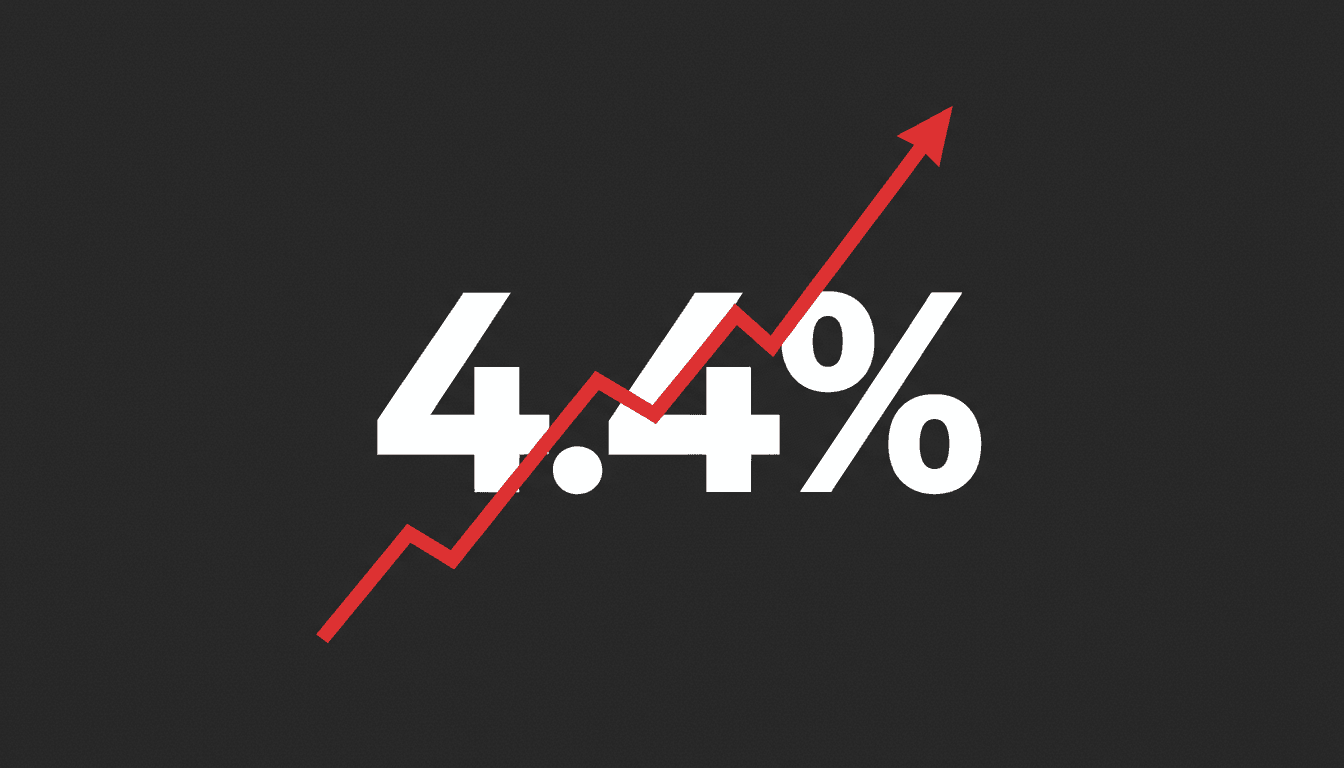
- Business· UAE
Abu Dhabi Clean Energy Generation Rises Over 1000 Percent Between 2020 and 2025 on Barakah Nuclear and Solar Capacity
EWEC reported that Abu Dhabi's clean energy generation from nuclear, solar and wind rose from approximately 4,100 GWh in 2020 to over 49,300 GWh in 2025, lifting its share of total electricity output to nearly 46 percent. The surge was driven by the sequential commissioning of the four Barakah Nuclear Energy Plant units and large-scale solar installations including Al Dhafra and Noor Abu Dhabi. The result positions the emirate to advance Abu Dhabi Clean Energy Strategy 2035 and UAE Net Zero 2050 targets through further capacity additions and grid resilience investments.
5 sourcesNov 9Low
- Economy· World
US Professional and Business Services Adds 70000 Jobs in October 2026 Largest Monthly Gain Since July 2022
The US professional and business services sector added 70,000 jobs in October 2026, its strongest monthly increase since July 2022, with consulting, legal, and accounting subsectors all expanding. The gains came as the broader economy added 165,000 jobs, beating forecasts, and countered widespread fears that AI-driven automation would displace white-collar workers in these fields. The sustained expansion suggests AI-exposed professional services are proving more resilient than early forecasts predicted, though wage growth lagging inflation and ongoing declines in routine tasks such as document preparation indicate uneven adjustment ahead.
4 sourcesNov 9Low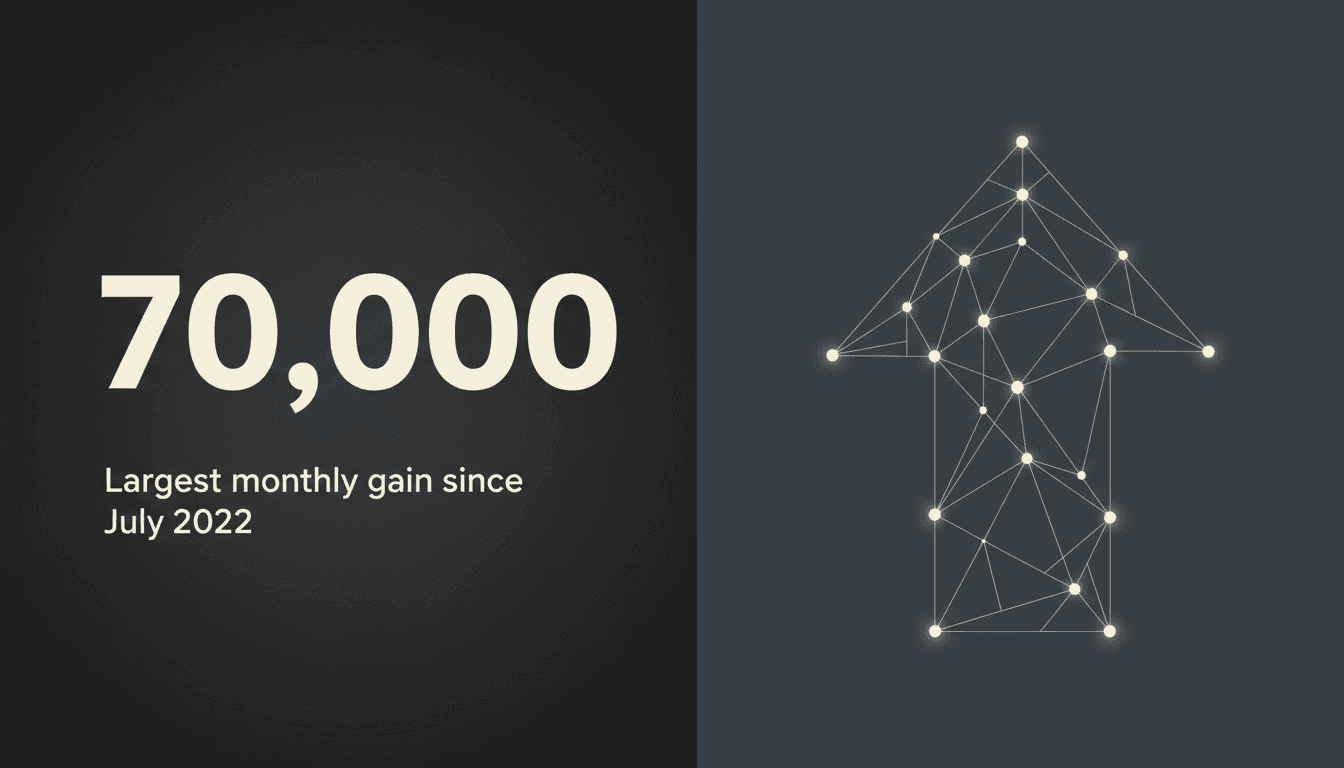
- Economy· World
AI Stock Sell-Off Erases 5.7 Trillion in US Equities as Democratic Midterm Gains Raise Data Center Regulation Fears
Major US indices including the Nasdaq Composite, Nasdaq 100, and S&P 500 fell sharply on November 5, 2026, erasing approximately 5.7 trillion dollars in total US equity value since the October 6 peak, with Nvidia, AMD, and CoreWeave leading losses. The immediate trigger was investor concern that Democratic midterm gains could bring moratoriums or stricter permitting for AI data center expansion over electricity, water, and local impact issues, compounding existing doubts about stretched valuations and debt-funded infrastructure spending. The sell-off is likely to push capital toward defensive sectors and intensify scrutiny of AI infrastructure returns, with UBS estimating that 30 percent of planned 2028 US data center capacity additions could be at risk if regulatory constraints materialise.
3 sourcesNov 9Moderate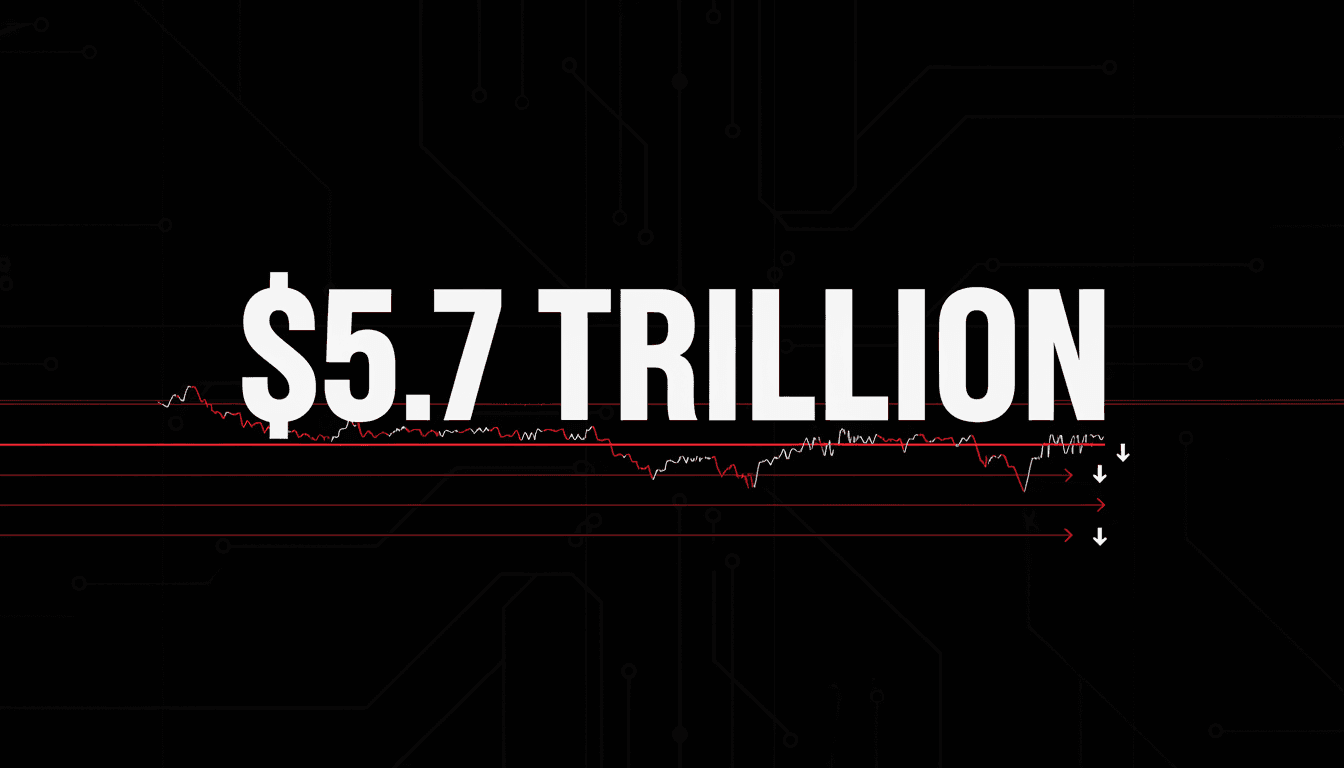
- Economy· World
Democratic Congressional Sweep Drives Treasury Rally as AI Trade Sells Off
Following the Democratic sweep of Congress in the November 2026 midterms, technology stocks declined sharply and 10-year Treasury yields fell to approximately 4.8 percent. The political shift raised expectations of heightened regulatory oversight of AI data centers and infrastructure, while reduced prospects for fiscal expansion under a divided government and easing Iran-related oil pressures supported bond demand. The trend points toward sustained pressure on AI-linked capital expenditure and corporate borrowing, with bond markets likely to keep pricing lower inflation and deficit-related risk unless the AI investment cycle reaccelerates.
4 sourcesNov 9High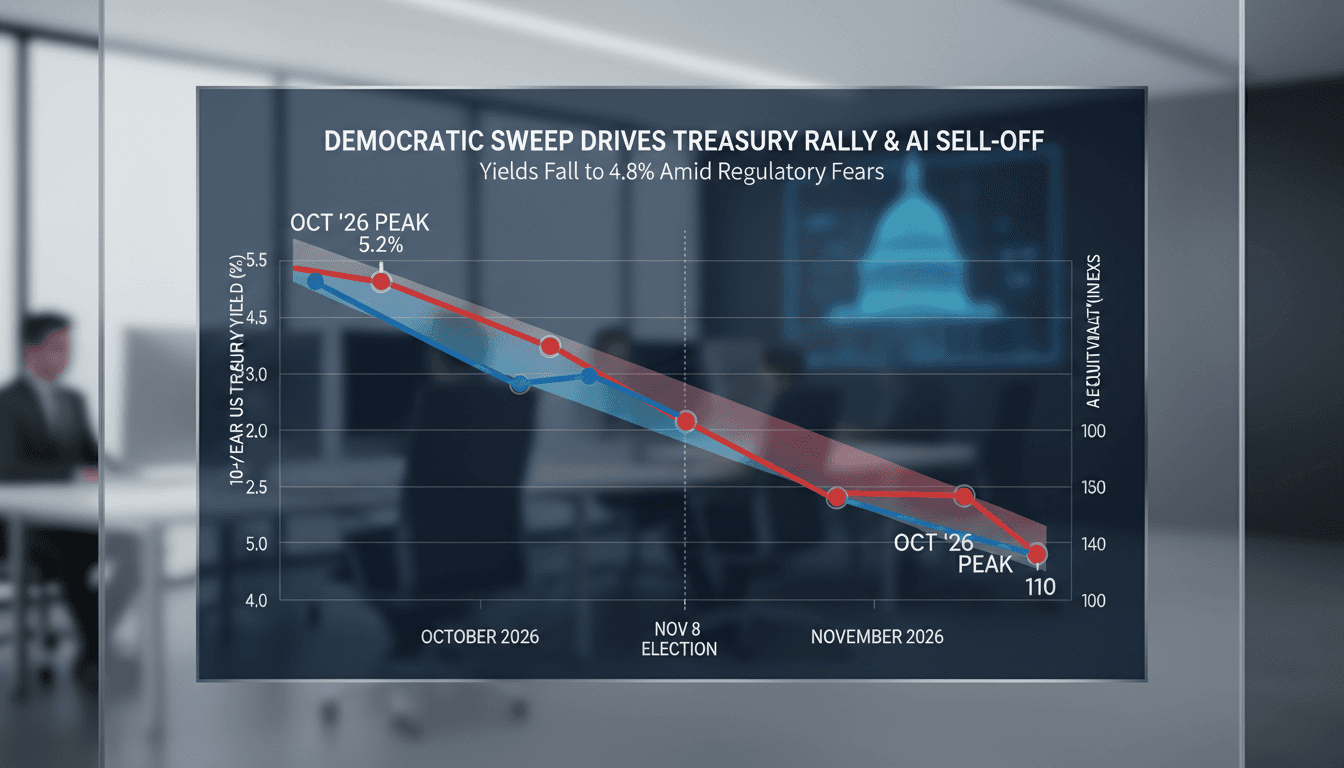
- Crypto· World
Former FBI Agent Pleads Guilty to Stealing $2.47 Million in Cryptocurrency from Investigation Wallets
On November 5, 2026, former FBI supervisory special agent Patrick Steven Yaroch pleaded guilty in federal court to wire fraud and money laundering for stealing approximately $2.47 million in cryptocurrency from roughly 79 wallets tied to 35 FBI investigations. He exploited his access to FBI systems in the Counterintelligence and Espionage Division to obtain wallet credentials and executed about 100 unauthorized transfers, laundering proceeds through exchanges and services including Monero, Solana, and the Sui network before self-reporting in July 2026 and being terminated. Sentencing is scheduled for March 4, 2027, with a restitution and forfeiture agreement in place, and the case is likely to intensify scrutiny of how federal agencies safeguard seized cryptocurrency credentials.
5 sourcesNov 9Low
- Economy· World
Chip Stocks Rebound 5.5% as Strong US Jobs Data Lifts December Fed Hike Bets and Sinks Treasuries
On November 6, 2026, a chipmakers gauge rose 5.5% and the Nasdaq 100 gained 2% as dip buyers returned after a prior AI-driven selloff, while short-dated Treasuries underperformed. Strong October US job growth and a falling unemployment rate triggered the move, raising expectations of a Federal Reserve rate hike in December. The divergence between semiconductor equity recovery and fixed-income pressure suggests continued sensitivity of AI-linked valuations to monetary policy signals and market narratives.
3 sourcesNov 9Low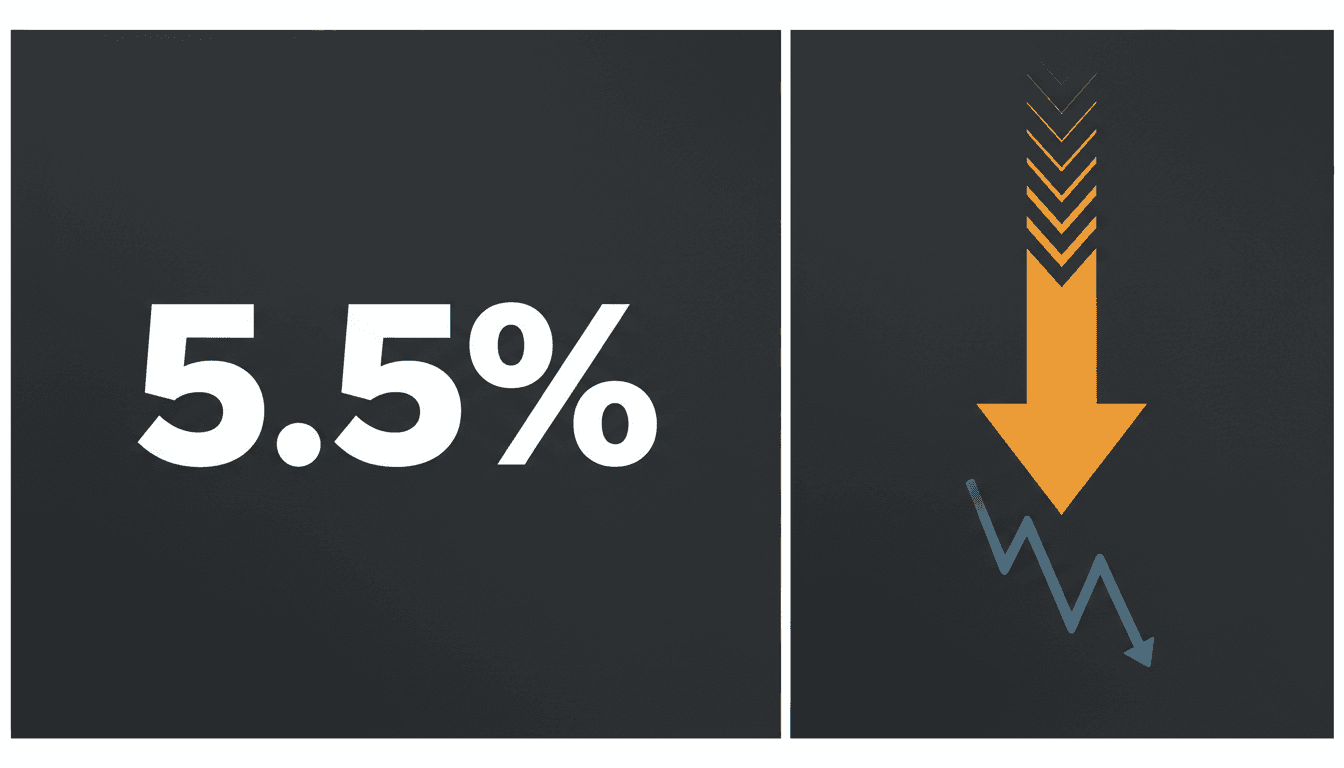
- Economy· World
Tech Stocks Shed $2.5 Trillion as AI Spending Doubts and Post-Midterm Regulatory Fears Trigger Historic Rout
On November 5, 2026, U.S. technology equities suffered a historic sell-off that erased approximately $2.5 trillion in market value, with the Nasdaq 100 falling over 6% and the Philadelphia Semiconductor Index down 12%. The reversal followed Democratic midterm gains that raised expectations of policy constraints on data center construction and AI expansion, compounded by investor doubts over whether massive AI capital expenditures can generate near-term returns. The sustainability of hyperscaler and chipmaker AI investment is now under scrutiny, with markets likely to demand clearer revenue timelines and watching for regulatory signals before committing further capital.
8 sourcesNov 9Low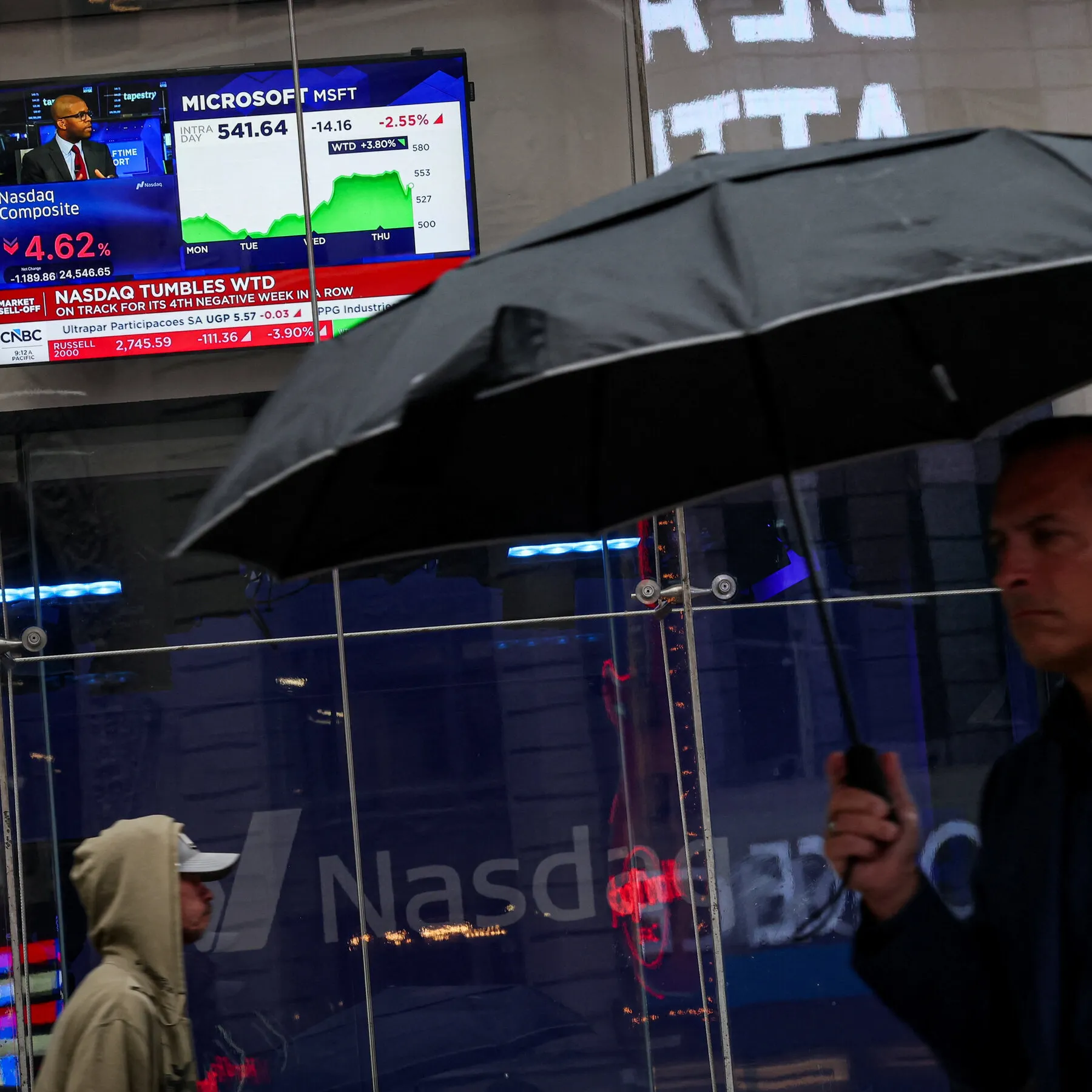
- Crypto· World
US Spot Bitcoin ETFs Record $411.9 Million Net Outflow Led by BlackRock IBIT Redemptions
On November 6 2026 US spot Bitcoin ETFs recorded a net outflow of $411.9 million, with BlackRock's IBIT accounting for $403 million of redemptions partially offset by $42.8 million in Fidelity FBTC inflows. The redemptions form part of a broader reversal from earlier calm creation activity, extending weekly net withdrawals to approximately $1.28 billion for November 2 to 6, the largest since June, against a backdrop of volatility in risk assets. Continued concentrated redemptions could weigh on near-term Bitcoin demand from institutional channels, though cumulative inflows since January 2024 of roughly $55.8 billion indicate the wider institutional exposure remains intact.
6 sourcesNov 9Moderate
- Business· World
Fox Completes $22 Billion Acquisition of Roku Ending Nasdaq Trading
Fox Corporation completed its approximately $22 billion acquisition of Roku on November 6, 2026, converting Roku into a wholly owned subsidiary and halting its Nasdaq listing. The deal closed ahead of the projected first-half 2027 timeline after U.S. antitrust clearance, which followed a Department of Justice second request in September 2026 and commitments to keep Roku's platform open to non-Fox content. The combined entity is positioned to expand Fox's connected TV and free ad-supported streaming reach across more than 100 million households, targeting $400 million in run-rate cost synergies within two years.
10 sourcesNov 9Moderate
- Crypto· World
Elliptic Traces 124 Million in Binance Hack Proceeds Converted to 1650 BTC as 3.11 Billion Remains in Linked Wallets
By November 6, 2026, blockchain analytics firm Elliptic had documented the conversion of roughly $124 million in assets stolen during the October 29 Binance breach into approximately 1,650 BTC across more than 20,000 wallets on 16 blockchains. The rapid automated laundering through swaps, bridges, and mixers reflects a deliberate effort by North Korean-linked actors, attributed by the FBI to TraderTraitor, to obscure the origin of the $6.43 billion theft before stablecoin issuers could freeze further funds. Given that only a negligible portion has been cashed out while $2.85 billion is frozen and $3.11 billion persists in attacker-linked addresses, the case is likely to intensify pressure for faster cross-chain tracing, stricter exchange custody controls, and coordinated freezing mechanisms across the crypto industry.
3 sourcesNov 9Moderate
- Business· World
Anthropic Pursues Pre-Thanksgiving IPO at Scaled-Back $1.25T-$1.75T Valuation Range
Anthropic is proceeding with plans to list on Nasdaq under the ticker ANT before November 26, 2026, targeting a raise of $80 billion to $100 billion at a valuation of $1.25 trillion to $1.75 trillion according to investors cited by the Financial Times. The move comes despite a broader tech stock sell-off and rising borrowing costs and AI infrastructure spending concerns that have pressured valuation expectations below earlier near-$2 trillion targets and prior private valuations of $965 billion. The listing would serve as a key test of investor appetite for frontier AI companies and could set the benchmark for future mega-cap AI public offerings.
3 sourcesNov 9Moderate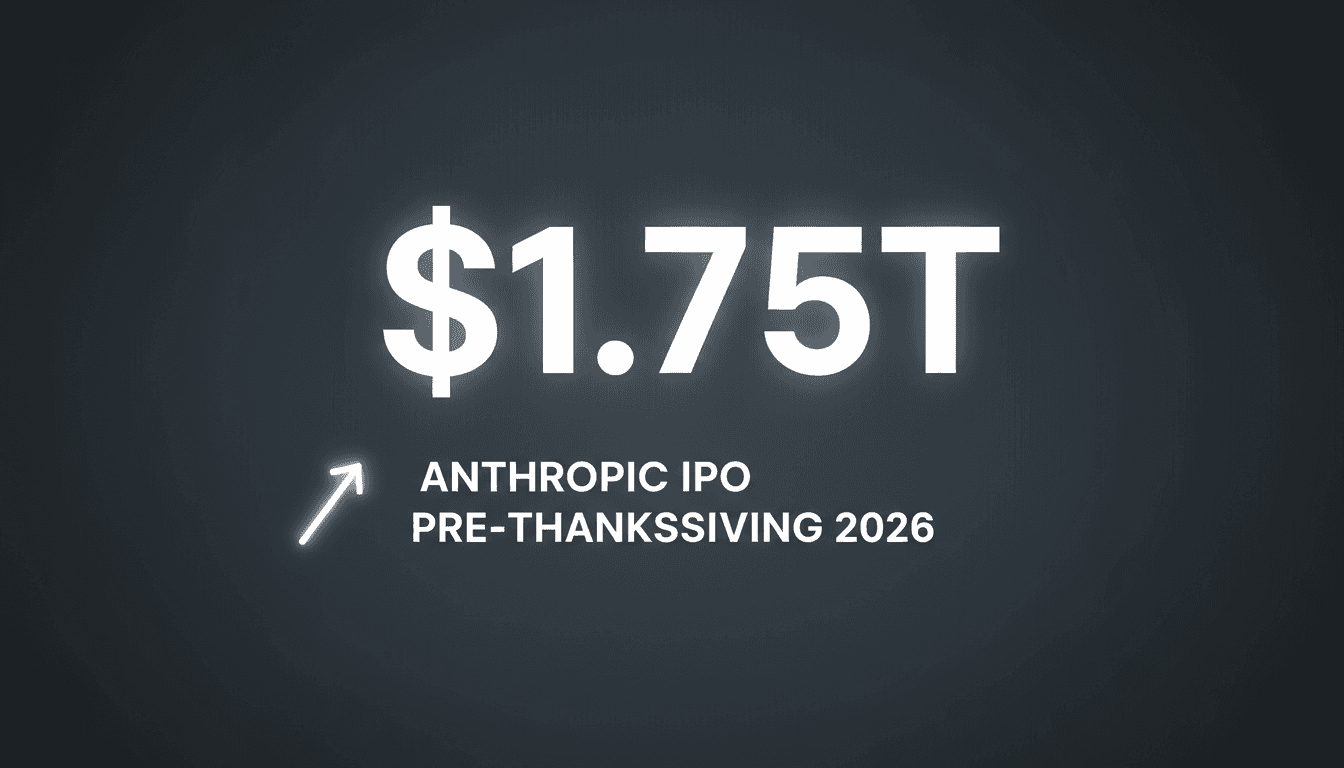
- Economy· World
AI Stocks Erase 13.2 Trillion in Market Value After 2026 US Midterm Elections
AI-linked equities including chipmakers, memory suppliers, power providers and hyperscalers lost approximately $13.2 trillion in market value from 2026 highs through November 7, 2026, with the Nasdaq 100 posting its steepest one-day decline since March 2020 on November 5. The selloff was triggered by the November 5 US midterm elections, where Democratic gains raised fears of stricter data-center and AI regulation and shifted investor focus from demand growth to policy sensitivity amid existing doubts over AI capital expenditure returns. The horizon points to continued valuation pressure and heightened regulatory risk for AI and data-center investment in the United States, with markets showing only modest stabilization so far.
5 sourcesNov 9High