
UAE Central Bank Governor Leads Delegation to 2026 IMF-World Bank Meetings
Here's what it means for you.
The UAE's strategic financial discussions could influence investment stability and economic growth in your region.
Why it matters
The UAE's active role in global financial governance signals its commitment to economic stability and innovation, impacting international markets.
What happened (in 30 seconds)
- Khaled Mohamed Balama, Governor of the Central Bank of the UAE, leads a delegation to the IMF-World Bank Spring Meetings from April 13 to 18, 2026, in Washington, D.C.
- The delegation will engage in discussions on global economic outlooks, financial stability, and policy coordination.
- This participation highlights the UAE's role as a key player in international financial governance amid evolving economic conditions.
The context you actually need
- The Central Bank of the UAE, under Balama's leadership since April 2021, regularly participates in IMF and World Bank forums to align national policies with global standards.
- Geopolitical tensions in the Middle East and volatile oil prices necessitate robust financial strategies, reinforcing the UAE’s position as a financial hub.
- Digital financial solutions and advanced infrastructure are pivotal in maintaining the UAE's competitive edge in the global economy.
What's really happening
Khaled Mohamed Balama's leadership at the IMF-World Bank Spring Meetings is not just a ceremonial role; it reflects a broader strategy by the UAE to enhance its influence in global financial discussions. The Central Bank of the UAE (CBUAE) has been proactive in aligning its policies with international standards, which is crucial given the current geopolitical climate characterized by tensions in the Middle East and fluctuating oil prices.
The meetings will involve high-level discussions that are expected to cover a range of topics, including the global economic outlook, financial stability, and policy coordination. These discussions are essential as they provide a platform for the UAE to advocate for financial innovations and stability measures that can benefit not only the region but also the global economy. The UAE's participation in such forums reinforces its commitment to being a responsible global financial player, which is increasingly important in a world marked by economic uncertainty.
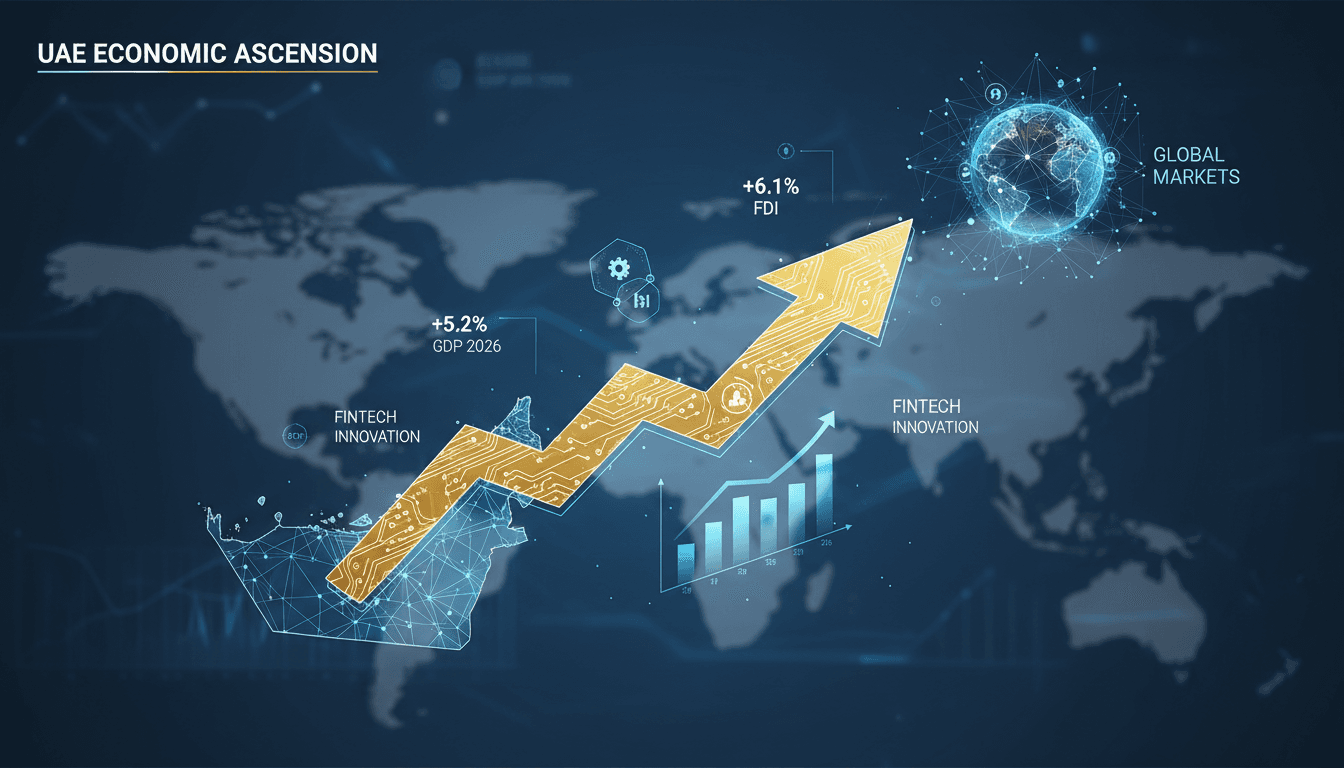
Moreover, the UAE's economic growth is projected at 5.0% for 2026, according to the IMF. This growth rate is significant as it positions the UAE as a resilient economy amidst global challenges. The discussions at the Spring Meetings will likely focus on how to sustain this growth trajectory while navigating the complexities of international finance.
The delegation, which includes key figures such as Ebrahim Obaid Al Zaabi and Ahmed Saeed Al Qamzi, will also engage in bilateral meetings aimed at enhancing international cooperation. This is particularly relevant as countries worldwide seek to strengthen their financial systems in response to recent economic upheavals.
The CBUAE's efforts to maintain a stable dirham peg to the USD and low inflation forecasts (around 1.3-2.0%) are measures that support financial sector resilience and attract investment inflows. For Dubai residents, this stability translates into a more predictable economic environment, fostering confidence in financial markets and encouraging investment in local businesses.
Who feels it first (and how)
- Investors: They will closely monitor the outcomes of the meetings for potential impacts on market stability and investment opportunities.
- Financial Institutions: Banks and financial services will adapt strategies based on new policies and frameworks discussed during the meetings.
- Businesses: Companies operating in or with ties to the UAE will benefit from enhanced financial stability and potential growth opportunities.
- Consumers: Residents may experience improved economic conditions, leading to better job prospects and consumer confidence.
What to watch next
- Global Economic Indicators: Keep an eye on GDP growth forecasts and inflation rates post-meetings, as these will indicate the effectiveness of discussed policies.
- Bilateral Agreements: Watch for any new agreements or partnerships formed during the meetings that could enhance trade and investment flows.
- Market Reactions: Monitor UAE equity markets for shifts in investor sentiment following the meetings, which could signal broader economic trends.
The UAE's participation in the IMF-World Bank meetings is scheduled and confirmed.
Discussions will focus on enhancing financial stability and cooperation among nations.
The immediate market reactions to the outcomes of the meetings remain uncertain.
Frequently Asked Questions
- Why it matters?
- The UAE's active role in global financial governance signals its commitment to economic stability and innovation, impacting international markets.
- What happened (in 30 seconds)?
- Khaled Mohamed Balama, Governor of the Central Bank of the UAE, leads a delegation to the IMF-World Bank Spring Meetings from April 13 to 18, 2026, in Washington, D.C. The delegation will engage in discussions on global economic outlooks, financial stability, and policy coordination. This participation highlights the UAE's role as a key player in international financial governance amid evolving economic conditions.
- What's really happening?
- Khaled Mohamed Balama's leadership at the IMF-World Bank Spring Meetings is not just a ceremonial role; it reflects a broader strategy by the UAE to enhance its influence in global financial discussions. The Central Bank of the UAE (CBUAE) has been proactive in aligning its policies with international standards, which is crucial given the current geopolitical climate characterized by tensions in the Middle East and fluctuating oil prices. The meetings will involve high-level discussions that a
- Who feels it first (and how)?
- Investors: They will closely monitor the outcomes of the meetings for potential impacts on market stability and investment opportunities. Financial Institutions: Banks and financial services will adapt strategies based on new policies and frameworks discussed during the meetings. Businesses: Companies operating in or with ties to the UAE will benefit from enhanced financial stability and potential growth opportunities. Consumers: Residents may experience improved economic conditions, leading to
- What to watch next?
- Global Economic Indicators: Keep an eye on GDP growth forecasts and inflation rates post-meetings, as these will indicate the effectiveness of discussed policies. Bilateral Agreements: Watch for any new agreements or partnerships formed during the meetings that could enhance trade and investment flows. Market Reactions: Monitor UAE equity markets for shifts in investor sentiment following the meetings, which could signal broader economic trends.
Arabic-language UAE newspaper coverage focused on domestic affairs, public institutions, business, society, and regional developments.
"Al Khaleej coverage generally reflects a mainstream UAE editorial lens with strong attention to public affairs, institutions, and regional developments."
— A47 Editor
خالد بالعمى يترأس وفد «المركزي» في اجتماعات «الدوليين»
Khalid Mohammed Balami, the Governor of the Central Bank of the UAE, is leading the UAE's delegation at the International Monetary Fund (IMF) meetings. This role underscores the UAE's commitment to participating in global financial discussions and sh...
Arabic-language digital news outlet covering UAE, regional, and international developments with broad general-news coverage.
"Al Ain News coverage typically blends UAE-focused reporting with wider Arab regional and international news."
— A47 Editor
محافظ المصرف المركزي يترأس وفد الإمارات في اجتماعات الربيع لصندوق النقد والبنك الدوليين
Khaled Mohammed Balama, the Governor of the Central Bank of the United Arab Emirates and the country's representative at the International Monetary Fund, is leading the central bank's delegation at the 2026 Spring Meetings of the IMF and World Bank G...