
IEA Reports Historic Decline in Global Oil Demand Amid Middle East Conflict
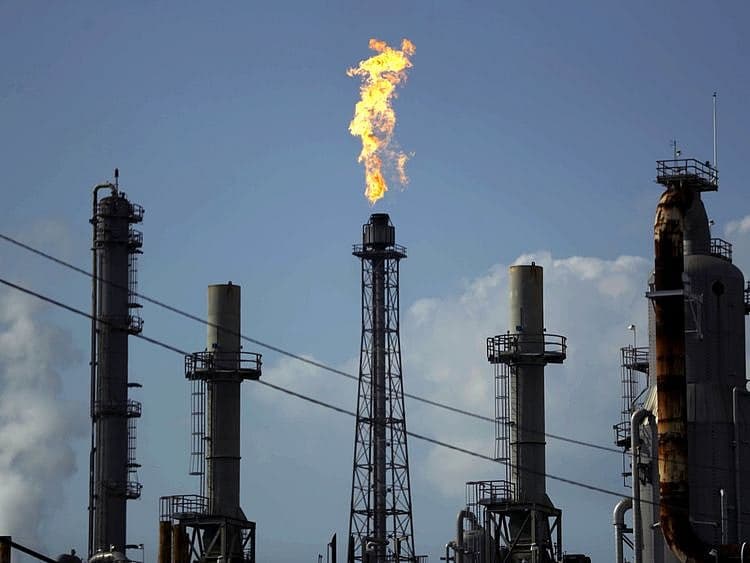
Here's what it means for you.
Rising fuel prices and potential economic strain are on the horizon for consumers and businesses alike.
Why it matters
The sharp decline in global oil demand signals significant shifts in energy markets that could impact economic stability worldwide.
What happened (in 30 seconds)
- IEA forecasted a decline in global crude oil demand by 1.5 million barrels per day (mb/d) for Q2 2026, the steepest drop since COVID-19.
- Middle East conflict has led to unprecedented supply disruptions, with OPEC+ production falling sharply and prices soaring to nearly $150 per barrel.
- Annual demand is now expected to contract by 80 thousand barrels per day (kb/d), reversing earlier growth forecasts.
The context you actually need
- Escalating tensions in the Middle East have resulted in attacks on energy infrastructure and restrictions on oil flows through the Strait of Hormuz.
- OPEC+ production dropped significantly in March 2026, with cumulative supply losses exceeding 360 million barrels, leading to a global supply plummet of 10.1 mb/d.
- Demand destruction is particularly evident in the Middle East and Asia Pacific, where reductions in petrochemicals and jet fuel are pronounced.
What's really happening
The International Energy Agency (IEA) has issued a stark warning regarding the global oil market, forecasting a 1.5 mb/d decline in crude oil demand for Q2 2026. This marks the sharpest quarterly drop since the COVID-19 pandemic, driven primarily by escalating conflicts in the Middle East. The situation has been exacerbated by a series of attacks on energy infrastructure and US-led restrictions on Iranian ports, which have severely disrupted oil flows through the critical Strait of Hormuz.
In March 2026, OPEC+ production fell dramatically, with output from key producers like Saudi Arabia, the UAE, Iraq, and Kuwait dropping by 9.4 mb/d to 42.4 mb/d. The UAE's production alone plummeted from 3.64 mb/d to 2.37 mb/d due to shutdowns caused by the ongoing conflict. This unprecedented supply disruption has led to a cumulative loss of over 360 million barrels in March, pushing physical crude prices to near $150 per barrel and prompting a significant contraction in demand across various sectors, particularly petrochemicals and jet fuel.
The IEA's report indicates that the annual demand for 2026 is now expected to contract by 80 kb/d, a stark reversal from previous growth forecasts. The Middle East has seen a notable decline in demand, with a reduction of 250 kb/d annually, primarily driven by cuts in petrochemical and jet fuel consumption. The damage sustained by the UAE's Ruwais refinery has further compounded these issues, leading to increased reliance on alternative export routes via Fujairah.
As a result of these dynamics, global refineries have begun to cut runs by 6 mb/d in April, and inventories have drawn down by 85 mb in March. The floating storage in the Middle East has also risen by 100 mb, indicating a significant shift in how oil is being managed amid these disruptions. The overall impact is a tightening of supply and a corresponding increase in prices, which is likely to have ripple effects throughout the global economy.
Who feels it first (and how)
- Consumers: Higher fuel prices, with petrol Super 98 prices rising by 31% and diesel by 72% in Dubai.
- Businesses: Increased operational costs due to rising energy prices, particularly in sectors reliant on petrochemicals and transportation.
- Governments: Pressure to implement subsidies and inflation allowances to mitigate the impact on residents, as seen in the UAE's response to rising fuel costs.
What to watch next
- Fuel price trends: Monitor how global oil prices fluctuate in response to ongoing Middle East tensions and supply disruptions.
- OPEC+ policy changes: Watch for any shifts in output curbs or production strategies from OPEC+ as they respond to market conditions.
- Economic indicators: Keep an eye on inflation rates and consumer spending patterns, particularly in oil-dependent economies, as rising fuel costs may lead to broader economic impacts.
Global oil demand is set to decline by 1.5 mb/d in Q2 2026.
Continued pressure on fuel prices and potential economic strain for consumers and businesses.
The long-term effects of these disruptions on global energy markets and economic stability.
Frequently Asked Questions
- Why it matters?
- The sharp decline in global oil demand signals significant shifts in energy markets that could impact economic stability worldwide.
- What happened (in 30 seconds)?
- IEA forecasted a decline in global crude oil demand by 1.5 million barrels per day (mb/d) for Q2 2026, the steepest drop since COVID-19. Middle East conflict has led to unprecedented supply disruptions, with OPEC+ production falling sharply and prices soaring to nearly $150 per barrel. Annual demand is now expected to contract by 80 thousand barrels per day (kb/d), reversing earlier growth forecasts.
- What's really happening?
- The International Energy Agency (IEA) has issued a stark warning regarding the global oil market, forecasting a 1.5 mb/d decline in crude oil demand for Q2 2026. This marks the sharpest quarterly drop since the COVID-19 pandemic, driven primarily by escalating conflicts in the Middle East. The situation has been exacerbated by a series of attacks on energy infrastructure and US-led restrictions on Iranian ports, which have severely disrupted oil flows through the critical Strait of Hormuz. In
- Who feels it first (and how)?
- Consumers: Higher fuel prices, with petrol Super 98 prices rising by 31% and diesel by 72% in Dubai. Businesses: Increased operational costs due to rising energy prices, particularly in sectors reliant on petrochemicals and transportation. Governments: Pressure to implement subsidies and inflation allowances to mitigate the impact on residents, as seen in the UAE's response to rising fuel costs.
- What to watch next?
- Fuel price trends: Monitor how global oil prices fluctuate in response to ongoing Middle East tensions and supply disruptions. OPEC+ policy changes: Watch for any shifts in output curbs or production strategies from OPEC+ as they respond to market conditions. Economic indicators: Keep an eye on inflation rates and consumer spending patterns, particularly in oil-dependent economies, as rising fuel costs may lead to broader economic impacts.
Oil, metals, and agriculture: supply/demand headlines, OPEC chatter, inventories, and price action.
"Solid tape for energy and metals traders tracking macro and micro catalysts."
— A47 Editor
IEA chief says Iran war will redraw global energy map
The International Energy Agency (IEA) has stated that the ongoing conflict in Iran is set to significantly alter the global energy landscape, with potential ramifications for oil supply and pricing. This assertion comes amid rising tensions and disru...
Global business headlines with AI angles.
"General business outlet that frequently covers AI."
— A47 Editor
IEA Warns Of Oil Demand Decline As Strait Of Hormuz Crisis Reshapes Global Outlook
The International Energy Agency (IEA) has issued a warning regarding a decline in global oil demand, attributing this to escalating tensions in the Middle East and restricted shipping through the Strait of Hormuz. These factors are significantly impa...
Global news coverage with extensive reporting on Middle Eastern conflicts and geopolitics.
"Al Jazeera is a Qatar-based broadcaster known for wide regional coverage and alternative perspectives."
— A47 Editor
Global oil demand to plunge amid disruptions caused by war on Iran: IEA
The International Energy Agency (IEA) has reported a significant decline in global oil demand due to ongoing disruptions caused by the war in Iran, which has led to stockpiling by various countries. This situation is exacerbated by the geopolitical t...
Comprehensive coverage of Middle Eastern and global issues.
"Al Jazeera is a prominent voice from the Global South, especially the Middle East, with an emphasis on underreported stories."
— A47 Editor
Global oil demand to plunge amid disruptions caused by war on Iran: IEA
The International Energy Agency (IEA) has reported a significant decline in global oil demand due to ongoing disruptions caused by the war in Iran, which has led to stockpiling by various countries. This situation is exacerbated by the geopolitical t...
Business, investment, entrepreneurship, leadership, and innovation.
"Forbes is known for its coverage of business leaders, market trends, and entrepreneurial ventures with a pro-business editorial stance."
— A47 Editor
Iran War Shock Will Trigger Sharpest Drop In Global Oil Demand Since Covid-19, IEA Says
The International Energy Agency (IEA) has revised its global oil demand forecast, projecting a decline of 80,000 barrels per day this year, a stark reversal from its previous estimate of a 640,000 bpd increase. This downturn is attributed to the ongo...
Pan-Arab news coverage spanning politics, business, sports, and regional affairs.
"Asharq Al-Awsat reflects a broad Arab editorial perspective with strong attention to regional geopolitics."
— A47 Editor
حرب إيران تغير توقعات «وكالة الطاقة الدولية» لسوق النفط
The International Energy Agency (IEA) has sharply reduced its forecasts for oil supply and demand growth, indicating that both are expected to fall below 2025 levels due to the ongoing war in Iran. This significant adjustment reflects the impact of g...
Oil, metals, and agriculture: supply/demand headlines, OPEC chatter, inventories, and price action.
"Solid tape for energy and metals traders tracking macro and micro catalysts."
— A47 Editor
IEA slashes oil forecasts as Middle East conflict triggers historic disruption
The International Energy Agency (IEA) has significantly reduced its oil forecasts due to the ongoing conflict in the Middle East, which has caused unprecedented disruptions in oil supply chains. This situation has led to a surge in oil prices and a p...
Global markets, investing, and macroeconomics from a premier financial newsroom.
"Bloomberg is respected for in-depth financial reporting and data-driven analysis."
— A47 Editor
Iran War Wipes Out Global Oil Demand Growth This Year
The International Energy Agency (IEA) has reported a decline in global oil demand for the first time since the 2020 pandemic, attributing this downturn to a surge in prices linked to the ongoing conflict in Iran. The war has disrupted oil markets, le...
U.S. business news, corporate developments, and economy.
"The Wall Street Journal is respected for deep financial and economic reporting with a center-right editorial perspective."
— A47 Editor
Global Oil Demand Heads for Contraction As Iran War Chokes Flows, IEA Says
The International Energy Agency (IEA) has projected a contraction in global oil demand due to the ongoing conflict in Iran, which has disrupted oil flows from the Middle East. The agency anticipates that oil and gas deliveries may resume by midyear, ...
Global political, business, and cultural coverage from WSJ international desks.
"The Wall Street Journal offers extensive international reporting with a reputation for financial insight and a center-right editorial stance."
— A47 Editor
Global Oil Demand Heads for Contraction As Iran War Chokes Flows, IEA Says
The International Energy Agency (IEA) has projected a contraction in global oil demand due to ongoing disruptions in oil and gas supplies from the Middle East, particularly as the conflict in Iran continues to escalate. The agency's forecast anticipa...
UAE-based newspaper covering Gulf politics, society, and international developments.
"Gulf News is one of the UAE’s most prominent English-language publications."
— A47 Editor
IEA: Global crude oil demand set for sharpest quarterly crash since Covid
The International Energy Agency (IEA) has reported that global crude oil demand is poised for its sharpest quarterly decline since the onset of the Covid pandemic, driven by escalating geopolitical tensions and supply disruptions in the Middle East.
A curated Gulf News feed featuring major stories across news, business, opinion, and lifestyle.
"Gulf News is a major UAE newspaper whose featured stories feed reflects a broad editorial mix shaped for a Gulf audience."
— A47 Editor
IEA: Global crude oil demand set for sharpest quarterly crash since Covid
The International Energy Agency (IEA) has reported that global crude oil demand is poised for its sharpest quarterly decline since the onset of the Covid pandemic, driven by escalating geopolitical tensions and supply disruptions in the Middle East.
Global markets, investing, and macroeconomics from a premier financial newsroom.
"Bloomberg is respected for in-depth financial reporting and data-driven analysis."
— A47 Editor
Iran War Wipes Out Global Oil Demand Growth This Year, IEA Says
The International Energy Agency (IEA) has reported that global oil demand is set to decline this year for the first time since the pandemic in 2020, primarily due to a surge in prices linked to the ongoing conflict in Iran. This situation has severel...
Macro commentary, policy analysis, growth/inflation themes, and global outlooks.
"Contextual macro coverage that complements day-to-day market headlines."
— A47 Editor
IEA ready to release oil stockpiles if Iran war worsens energy shock
The International Energy Agency (IEA) has indicated its readiness to release oil stockpiles in response to escalating tensions from the ongoing conflict in Iran, which threatens to worsen the current energy crisis. This decision comes amid fears of i...
Oil, metals, and agriculture: supply/demand headlines, OPEC chatter, inventories, and price action.
"Solid tape for energy and metals traders tracking macro and micro catalysts."
— A47 Editor
OPEC lowers second-quarter global oil demand forecast on Iran war
OPEC has revised its global oil demand forecast for the second quarter downward, primarily due to the ongoing conflict in Iran, which has significantly disrupted oil exports and market stability. This adjustment reflects the organization's response t...