
European Markets Brace for Extended High Interest Rates Amid Iran War Energy Crisis
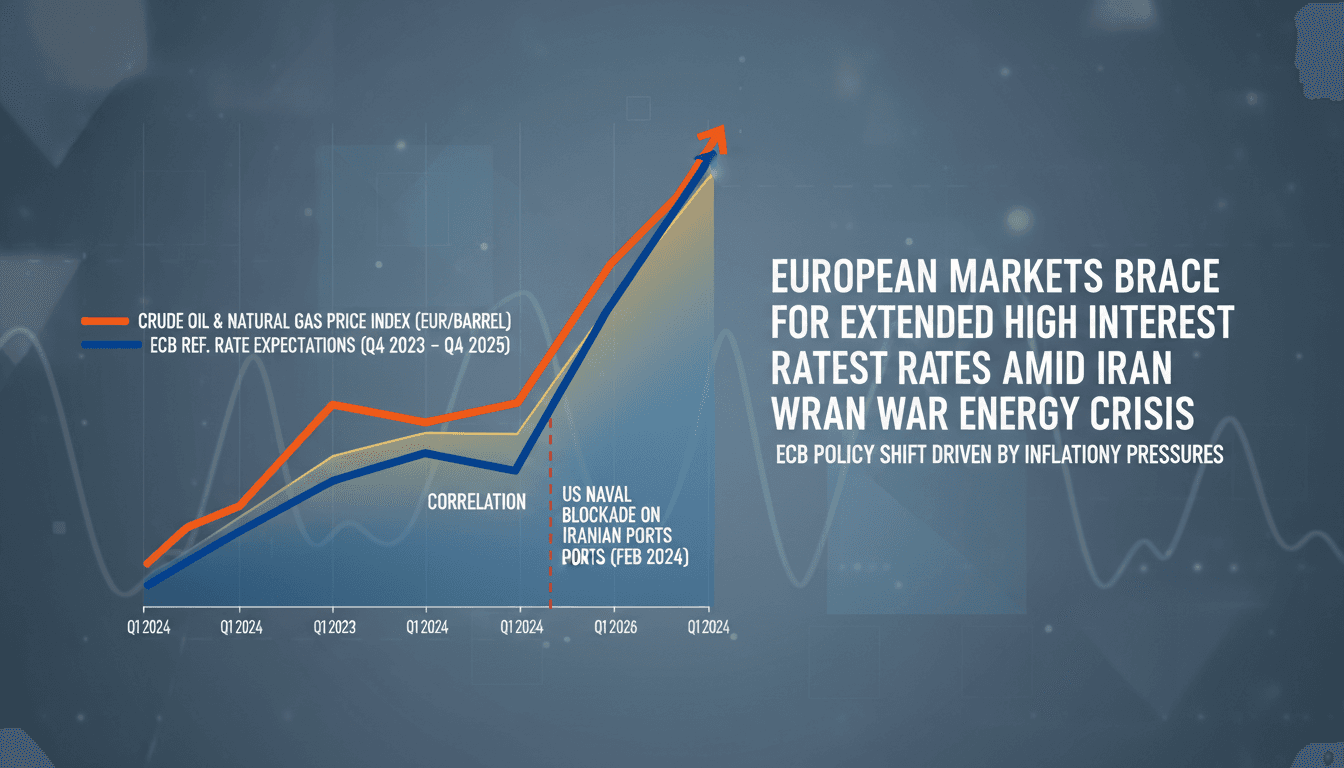
Here's what it means for you.
If you’re in Europe, expect higher borrowing costs and potential inflationary pressures affecting your daily expenses.
Why it matters
This shift in monetary policy signals a tightening economic environment that could impact consumer spending and investment across the Eurozone.
What happened (in 30 seconds)
- Traders anticipate an 80% probability of the European Central Bank (ECB) raising interest rates in April 2026 due to rising energy prices.
- Oil and gas prices surged following the announcement of a US naval blockade on Iranian ports, disrupting supply routes.
- Bond yields increased across the Eurozone, indicating market expectations of further ECB rate hikes to combat inflation.
The context you actually need
- The energy shock originates from the ongoing Iran war, reminiscent of the 2022 Russia-Ukraine crisis that previously forced ECB tightening.
- Failed negotiations over the weekend led to the US military's blockade announcement, which heightened fears of supply disruptions in the Strait of Hormuz.
- Pre-war market expectations favored ECB rate cuts, but the surge in energy prices prompted a rapid repricing of monetary policy to combat inflation.
What's really happening
The European financial landscape is undergoing a significant transformation due to escalating geopolitical tensions and their economic repercussions. The ongoing war in Iran has disrupted energy supplies, particularly through the Strait of Hormuz, a critical chokepoint for global oil and gas shipments. As oil and gas prices spiked, the European Central Bank (ECB) faced mounting pressure to adjust its monetary policy to address rising inflation risks.
Traders have shifted their expectations dramatically, now pricing in an 80% probability of an interest rate hike at the ECB's upcoming April meeting. This marks a stark reversal from earlier projections that anticipated rate cuts, with a 40% probability of easing monetary policy this year. The ECB is drawing lessons from the past, particularly the inflationary pressures experienced during the Russia-Ukraine crisis, which forced a tightening of monetary policy. The current situation compels the ECB to act preemptively to mitigate the risk of entrenched inflation driven by rising energy costs.
The immediate impact of the energy shock is evident in the bond markets, where yields have surged. German 10-year bond yields have crossed the 3% mark, while spreads for Italian and French bonds have reached multi-month highs. The ECB is expected to implement at least two rate hikes this year, potentially increasing rates by 50 basis points, depending on how the situation in the Strait of Hormuz evolves. The central bank's strategy is to combat inflation by tightening monetary policy, thus influencing borrowing costs for consumers and businesses alike.
As the ECB navigates this complex landscape, the implications for the Eurozone economy are significant. Higher interest rates could slow economic growth, increase debt servicing costs, and dampen consumer spending. The ECB's actions will be closely monitored by market participants, as they will shape the economic outlook for the region in the coming months.
Who feels it first (and how)
- Consumers: Higher borrowing costs will affect mortgages and loans, increasing monthly payments.
- Businesses: Companies reliant on financing may face higher costs, impacting investment decisions and operational budgets.
- Energy Sector: Firms in the energy sector will experience volatility in prices, affecting profit margins and investment strategies.
- Government: Increased debt servicing costs could strain public finances, impacting fiscal policy decisions.
What to watch next
- ECB Meeting Outcomes: The April meeting will reveal the ECB's stance on interest rates and inflation management, crucial for market stability.
- Energy Price Trends: Monitoring oil and gas prices will provide insights into inflationary pressures and potential ECB responses.
- Geopolitical Developments: Any changes in the Iran conflict or US military actions could significantly impact energy supply and market expectations.
The ECB is likely to raise interest rates in response to rising inflation pressures.
Higher energy prices will persist, influencing inflation and monetary policy across the Eurozone.
The duration and intensity of the Iran war's impact on global energy supplies remain uncertain.
Frequently Asked Questions
- Why it matters?
- This shift in monetary policy signals a tightening economic environment that could impact consumer spending and investment across the Eurozone.
- What happened (in 30 seconds)?
- Traders anticipate an 80% probability of the European Central Bank (ECB) raising interest rates in April 2026 due to rising energy prices. Oil and gas prices surged following the announcement of a US naval blockade on Iranian ports, disrupting supply routes. Bond yields increased across the Eurozone, indicating market expectations of further ECB rate hikes to combat inflation.
- What's really happening?
- The European financial landscape is undergoing a significant transformation due to escalating geopolitical tensions and their economic repercussions. The ongoing war in Iran has disrupted energy supplies, particularly through the Strait of Hormuz, a critical chokepoint for global oil and gas shipments. As oil and gas prices spiked, the European Central Bank (ECB) faced mounting pressure to adjust its monetary policy to address rising inflation risks. Traders have shifted their expectations dram
- Who feels it first (and how)?
- Consumers: Higher borrowing costs will affect mortgages and loans, increasing monthly payments. Businesses: Companies reliant on financing may face higher costs, impacting investment decisions and operational budgets. Energy Sector: Firms in the energy sector will experience volatility in prices, affecting profit margins and investment strategies. Government: Increased debt servicing costs could strain public finances, impacting fiscal policy decisions.
- What to watch next?
- ECB Meeting Outcomes: The April meeting will reveal the ECB's stance on interest rates and inflation management, crucial for market stability. Energy Price Trends: Monitoring oil and gas prices will provide insights into inflationary pressures and potential ECB responses. Geopolitical Developments: Any changes in the Iran conflict or US military actions could significantly impact energy supply and market expectations.
Pan-Arab news coverage spanning politics, business, sports, and regional affairs.
"Asharq Al-Awsat reflects a broad Arab editorial perspective with strong attention to regional geopolitics."
— A47 Editor
أسواق أوروبا تتجه لإبقاء الفائدة مرتفعة فترة أطول مع تصاعد صدمة الطاقة
Traders in the financial markets anticipate that the European Central Bank will maintain high interest rates for an extended period, as the likelihood of rate cuts diminishes even in the medium term.
Macro commentary, policy analysis, growth/inflation themes, and global outlooks.
"Contextual macro coverage that complements day-to-day market headlines."
— A47 Editor
Traders see clear path to higher-for-longer ECB rates
Traders are increasingly confident that the European Central Bank (ECB) will maintain higher interest rates for an extended period, reflecting a clear path towards sustained monetary tightening. This sentiment follows recent ECB communications and ma...