
Gold Prices Drop as Markets Brace for U.S. Deadline on Iran's Strait of Hormuz
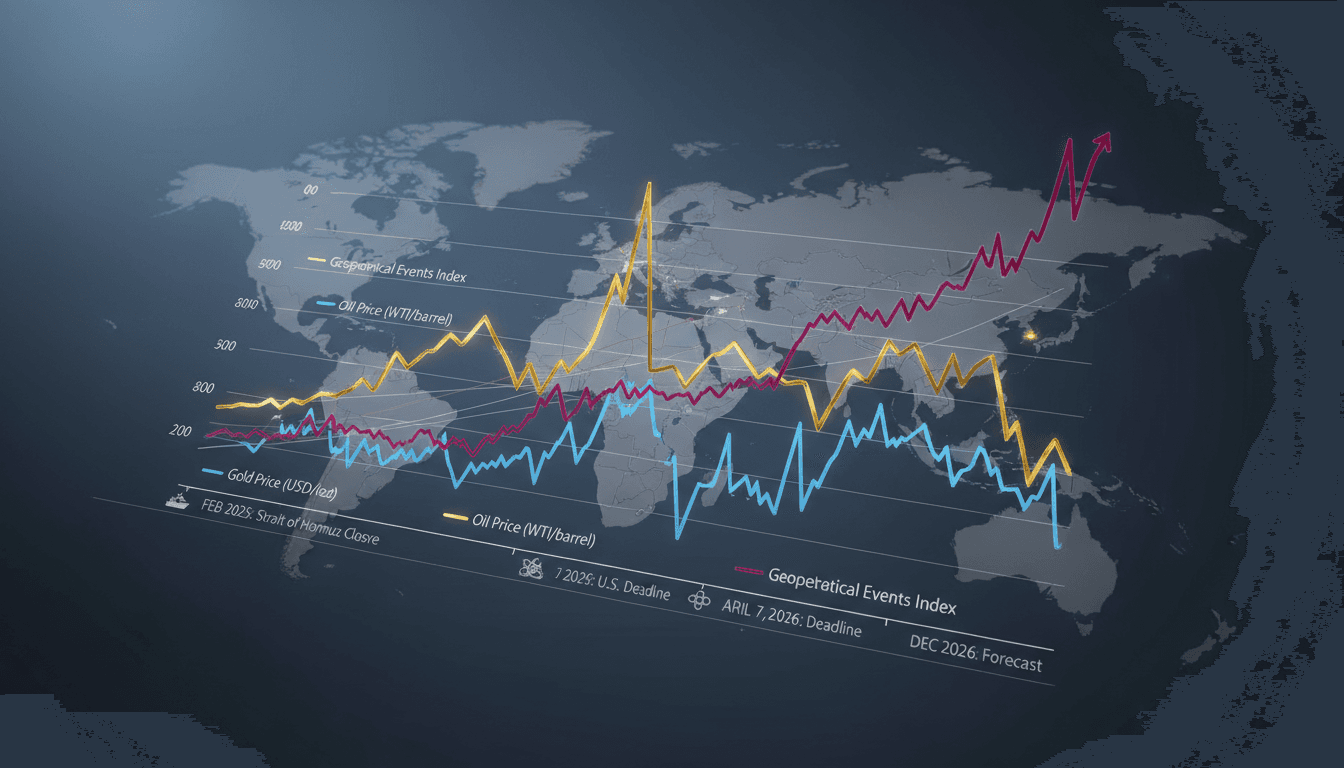
Here's what it means for you.
If you're invested in gold or commodities, the current market fluctuations could significantly impact your portfolio and purchasing power.
Why it matters
Gold prices are closely tied to geopolitical stability, and their decline signals investor uncertainty and inflationary pressures.
What happened (in 30 seconds)
- Gold prices fell 0.2 percent to $4,638.30 per ounce as of April 7, 2026.
- Investor caution is rising ahead of U.S. President Trump's deadline for Iran to reopen the Strait of Hormuz.
- Oil prices remain elevated above $110 per barrel, exacerbating inflation concerns.
The context you actually need
- The crisis began on February 28, 2026, when U.S.-Israeli military strikes on Iran led to the closure of the Strait of Hormuz, disrupting a significant portion of global oil shipments.
- President Trump has issued multiple ultimatums to Iran, with the latest deadline set for April 7, 2026, threatening military action if demands are not met.
- The ongoing conflict has contracted global oil supply by approximately 13 percent, leading to increased oil prices and heightened inflation fears.
What's really happening
The recent decline in gold prices, despite rising oil costs, highlights a complex interplay of geopolitical tensions and market psychology. The closure of the Strait of Hormuz has led to a significant disruption in global oil supply, which typically would bolster gold prices as investors seek safe-haven assets during times of uncertainty. However, the current scenario is different due to elevated interest rates set by the U.S. Federal Reserve, which diminish gold's appeal as an investment.
As of April 7, 2026, spot gold prices have slipped to $4,638.30 per ounce, reflecting a 0.2 percent decrease. This decline comes amidst a backdrop of rising oil prices, which have soared above $110 per barrel due to the ongoing conflict. Normally, high oil prices would lead to increased inflation, which often drives investors toward gold. Yet, the current high interest rates create a counterbalance, making gold less attractive compared to interest-bearing assets.
The geopolitical landscape is further complicated by the U.S. President's ultimatum to Iran, which has created a sense of urgency and caution among investors. With the deadline looming, market participants are closely monitoring developments, leading to a mixed performance in global equities and cautious trading behavior. The International Monetary Fund (IMF) has projected that the ongoing conflict will lead to higher inflation and slower economic growth, which could have lasting effects on both commodity prices and consumer behavior.
In Dubai, local gold prices are mirroring global trends, with 24K gold rates reflecting the same downward trajectory. Residents are feeling the pinch as elevated oil prices inflate transportation and grocery costs, straining household budgets. The reliance on alternative shipping routes and the disruptions caused by the Strait's closure further exacerbate these challenges, making the situation more pressing for consumers in the UAE.
Who feels it first (and how)
- Gold traders: Experiencing immediate impacts on trading volumes and price fluctuations.
- Oil consumers: Facing increased costs for fuel and transportation due to elevated oil prices.
- Households in Dubai: Struggling with rising grocery and transportation expenses linked to inflation.
- Investors: Adjusting portfolios in response to changing market conditions and geopolitical risks.
What to watch next
- Iran's response to the ultimatum: How Iran reacts could significantly influence oil and gold prices, impacting global markets.
- U.S. Federal Reserve interest rate decisions: Any changes in interest rates will directly affect gold's attractiveness as a safe-haven asset.
- Global inflation trends: Monitoring inflation rates will provide insights into consumer behavior and commodity price movements.
Gold prices are currently declining amid geopolitical tensions.
Continued volatility in gold and oil prices as the situation evolves.
The long-term implications of the conflict on global economic stability and commodity markets.
Frequently Asked Questions
- Why it matters?
- Gold prices are closely tied to geopolitical stability, and their decline signals investor uncertainty and inflationary pressures.
- What happened (in 30 seconds)?
- Gold prices fell 0.2 percent to $4,638.30 per ounce as of April 7, 2026. Investor caution is rising ahead of U.S. President Trump's deadline for Iran to reopen the Strait of Hormuz. Oil prices remain elevated above $110 per barrel, exacerbating inflation concerns.
- What's really happening?
- The recent decline in gold prices, despite rising oil costs, highlights a complex interplay of geopolitical tensions and market psychology. The closure of the Strait of Hormuz has led to a significant disruption in global oil supply, which typically would bolster gold prices as investors seek safe-haven assets during times of uncertainty. However, the current scenario is different due to elevated interest rates set by the U.S. Federal Reserve, which diminish gold's appeal as an investment. As o
- Who feels it first (and how)?
- Gold traders: Experiencing immediate impacts on trading volumes and price fluctuations. Oil consumers: Facing increased costs for fuel and transportation due to elevated oil prices. Households in Dubai: Struggling with rising grocery and transportation expenses linked to inflation. Investors: Adjusting portfolios in response to changing market conditions and geopolitical risks.
- What to watch next?
- Iran's response to the ultimatum: How Iran reacts could significantly influence oil and gold prices, impacting global markets. U.S. Federal Reserve interest rate decisions: Any changes in interest rates will directly affect gold's attractiveness as a safe-haven asset. Global inflation trends: Monitoring inflation rates will provide insights into consumer behavior and commodity price movements.
Regional and international reporting focused on Middle Eastern politics, diplomacy, and economics.
"Asharq Al-Awsat is a Saudi-owned international newspaper reflecting mainstream Gulf political perspectives."
— A47 Editor
Gold Ticks Down as Trump's Iran Deadline Keeps Markets Cautious
Gold prices have experienced a slight decline as markets remain cautious in light of President Donald Trump's deadline concerning Iran. The uncertainty surrounding the geopolitical situation, particularly the fragile ceasefire between the U.S. and Ir...
Market-moving headlines impacting equities, bonds, and related risk assets.
"Real-time catalysts and volatility drivers across indices and sectors."
— A47 Editor
Asia stocks rangebound as Trump’s Iran deadline looms
Asian stock markets are currently experiencing a rangebound trading pattern as investors remain cautious ahead of President Trump's impending deadline regarding Iran, set for 8:00 p.m. ET on Tuesday. This deadline is critical as it pertains to Iran's...