
Harvard Professor Projects $1 Trillion Cost for Ongoing Iran War Impacting U.S. Taxpayers
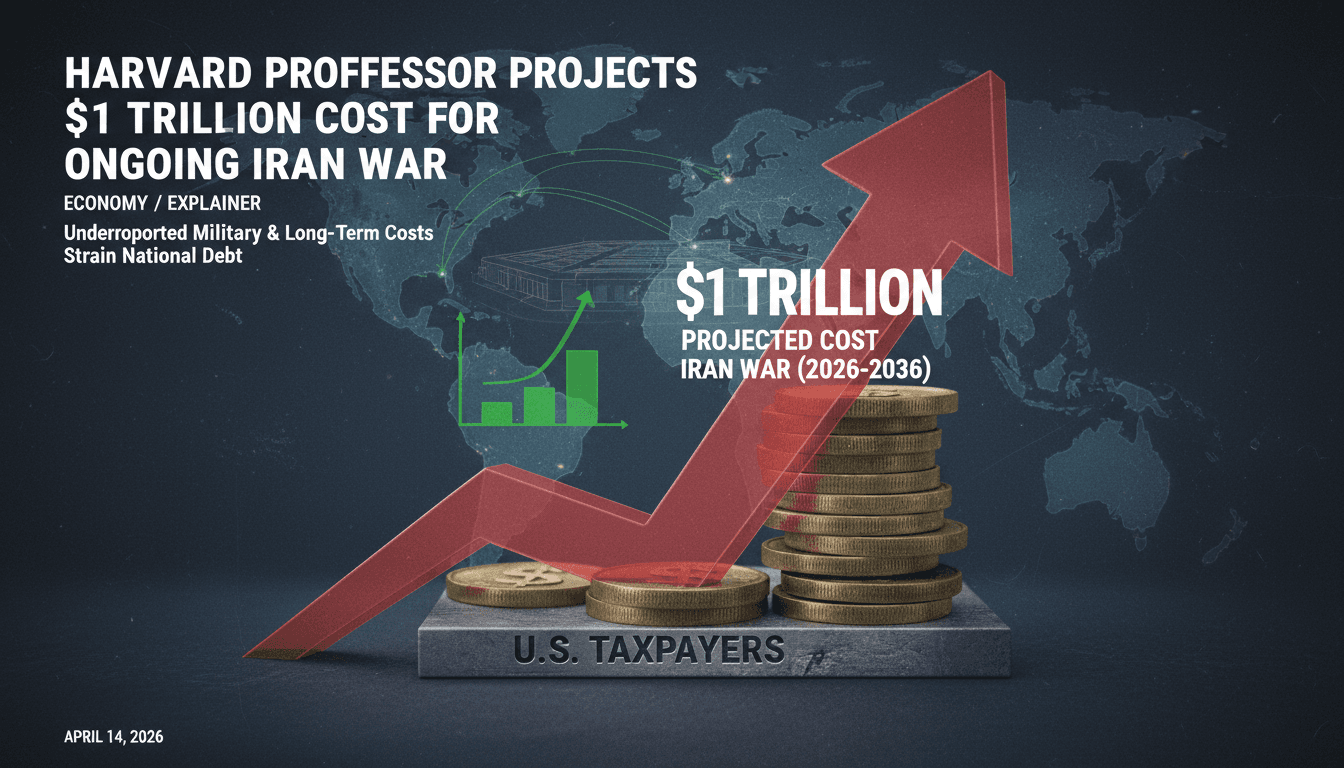
Here's what it means for you.
As a taxpayer, you may face significant financial repercussions from the ongoing conflict, impacting your economic landscape for years to come.
Why it matters
The projected $1 trillion cost of the 2026 Iran War could strain U.S. taxpayers and influence global economic stability.
What happened (in 30 seconds)
- Professor Linda Bilmes warned that the 2026 Iran War could cost U.S. taxpayers $1 trillion, far exceeding Pentagon estimates.
- The conflict, initiated by U.S.-Israeli airstrikes on February 28, has already led to 40 days of intense combat and a fragile ceasefire.
- Fiscal implications include underreported costs for military operations, long-term disability benefits, and interest on borrowed funds amid a $39 trillion national debt.
The context you actually need
- The 2026 Iran War erupted following failed negotiations over Iran's nuclear program and a prior conflict in 2025, escalating tensions in the region.
- U.S. military actions, including airstrikes that killed Iran's Supreme Leader, have led to retaliatory strikes and a naval blockade, further complicating the situation.
- Economic fallout from the conflict has already begun, with rising oil prices and significant impacts on global markets, including a $120 billion loss in stock markets.
What's really happening
The 2026 Iran War has emerged from a complex web of geopolitical tensions, particularly surrounding Iran's nuclear ambitions and regional power dynamics. The conflict began with U.S.-Israeli airstrikes under Operation Epic Fury, which aimed to neutralize perceived threats from Iran. This military action not only resulted in the assassination of Iran's Supreme Leader but also triggered a series of retaliatory strikes from Iran, including missile attacks on U.S. bases and allies in the region.
As the war progresses, the financial implications for U.S. taxpayers are becoming increasingly apparent. Professor Linda Bilmes has highlighted significant discrepancies between official Pentagon cost estimates and the actual financial burden that will fall on taxpayers. For instance, while the Pentagon initially reported costs of $11.3 billion for the first six days of conflict, Bilmes adjusted this figure to $16 billion when accounting for the replacement costs of munitions and other operational expenses.
The projected daily expenditure during the conflict is estimated to be around $2 billion, leading to a total cost projection of $1 trillion over the next decade. This figure encompasses not only immediate military expenses but also long-term costs such as reconstruction, procurement contracts, and disability benefits for approximately 55,000 troops exposed to combat. Additionally, the interest on debt incurred to finance the war will further exacerbate the financial strain on taxpayers.
The implications of this conflict extend beyond the battlefield. Rising gasoline prices, which have seen the largest jump in nearly 60 years, are already affecting consumer costs and air travel. The Trump administration is expected to request substantial funding to support ongoing military operations, which could lead to congressional debates over defense budget increases. The International Monetary Fund has also warned of potential global recession risks stemming from prolonged conflict, indicating that the economic fallout could be felt worldwide.
Who feels it first (and how)
- U.S. taxpayers: Facing increased financial burdens due to rising military expenditures and national debt.
- Consumers: Experiencing higher gasoline prices and increased costs of goods and services.
- Businesses: Particularly in sectors reliant on stable oil prices and international trade, facing economic instability and potential job losses.
- Residents of Dubai: Directly impacted by Iranian strikes, leading to damaged infrastructure and economic downturns in tourism and local markets.
What to watch next
- Congressional funding debates: Watch for discussions around the proposed $80-100 billion in war funding, which could influence future defense budgets.
- Oil price fluctuations: Monitor global oil prices, as continued conflict may lead to further spikes, affecting consumer costs and economic stability.
- International economic forecasts: Keep an eye on reports from the International Monetary Fund regarding potential recession risks linked to the ongoing conflict.
The projected cost of the 2026 Iran War is $1 trillion, impacting U.S. taxpayers significantly.
Rising costs of goods and services due to increased military expenditures and oil price fluctuations.
The long-term geopolitical ramifications of the conflict and its impact on global economic stability.
Frequently Asked Questions
- Why it matters?
- The projected $1 trillion cost of the 2026 Iran War could strain U.S. taxpayers and influence global economic stability.
- What happened (in 30 seconds)?
- Professor Linda Bilmes warned that the 2026 Iran War could cost U.S. taxpayers $1 trillion, far exceeding Pentagon estimates. The conflict, initiated by U.S.-Israeli airstrikes on February 28, has already led to 40 days of intense combat and a fragile ceasefire. Fiscal implications include underreported costs for military operations, long-term disability benefits, and interest on borrowed funds amid a $39 trillion national debt.
- What's really happening?
- The 2026 Iran War has emerged from a complex web of geopolitical tensions, particularly surrounding Iran's nuclear ambitions and regional power dynamics. The conflict began with U.S.-Israeli airstrikes under Operation Epic Fury, which aimed to neutralize perceived threats from Iran. This military action not only resulted in the assassination of Iran's Supreme Leader but also triggered a series of retaliatory strikes from Iran, including missile attacks on U.S. bases and allies in the region. A
- Who feels it first (and how)?
- U.S. taxpayers: Facing increased financial burdens due to rising military expenditures and national debt. Consumers: Experiencing higher gasoline prices and increased costs of goods and services. Businesses: Particularly in sectors reliant on stable oil prices and international trade, facing economic instability and potential job losses. Residents of Dubai: Directly impacted by Iranian strikes, leading to damaged infrastructure and economic downturns in tourism and local markets.
- What to watch next?
- Congressional funding debates: Watch for discussions around the proposed $80-100 billion in war funding, which could influence future defense budgets. Oil price fluctuations: Monitor global oil prices, as continued conflict may lead to further spikes, affecting consumer costs and economic stability. International economic forecasts: Keep an eye on reports from the International Monetary Fund regarding potential recession risks linked to the ongoing conflict.
Stock market news, investing ideas, and trading analysis.
"TheStreet provides market news and retail-investor-focused analysis."
— A47 Editor
Harvard academic has blunt message for taxpayers on Iran war
The Pentagon has reported that the initial six days of the Iran war have cost $11.3 billion, but Harvard professor Linda Bilmes argues that this figure is misleading and that the total cost will likely exceed $1 trillion. Bilmes emphasizes that the f...
Corporate leadership, finance, technology, and market trends.
"Fortune covers financial trends, leadership, and innovation with a pragmatic editorial approach."
— A47 Editor
‘I am certain’: Harvard policy expert warns the true cost of the Iran war to U.S. taxpayers will exceed $1 trillion
Harvard policy expert Linda Bilmes has warned that the true cost of the Iran war to U.S. taxpayers is projected to exceed $1 trillion. This estimate aligns with previous calculations made by Bilmes and economist Joseph Stiglitz, who determined that t...
Global business headlines with AI angles.
"General business outlet that frequently covers AI."
— A47 Editor
Iran War Could Cost The U.S. Up To $1 Trillion Over Time, Harvard Economist Warns
A Harvard economist has warned that a prolonged conflict with Iran could cost the United States up to $1 trillion over time, significantly impacting U.S. fiscal policy, defense spending, and long-term debt trajectory.