
Iran War Closes Strait of Hormuz Disrupting Global Fertilizer Supply
Here's what it means for you.
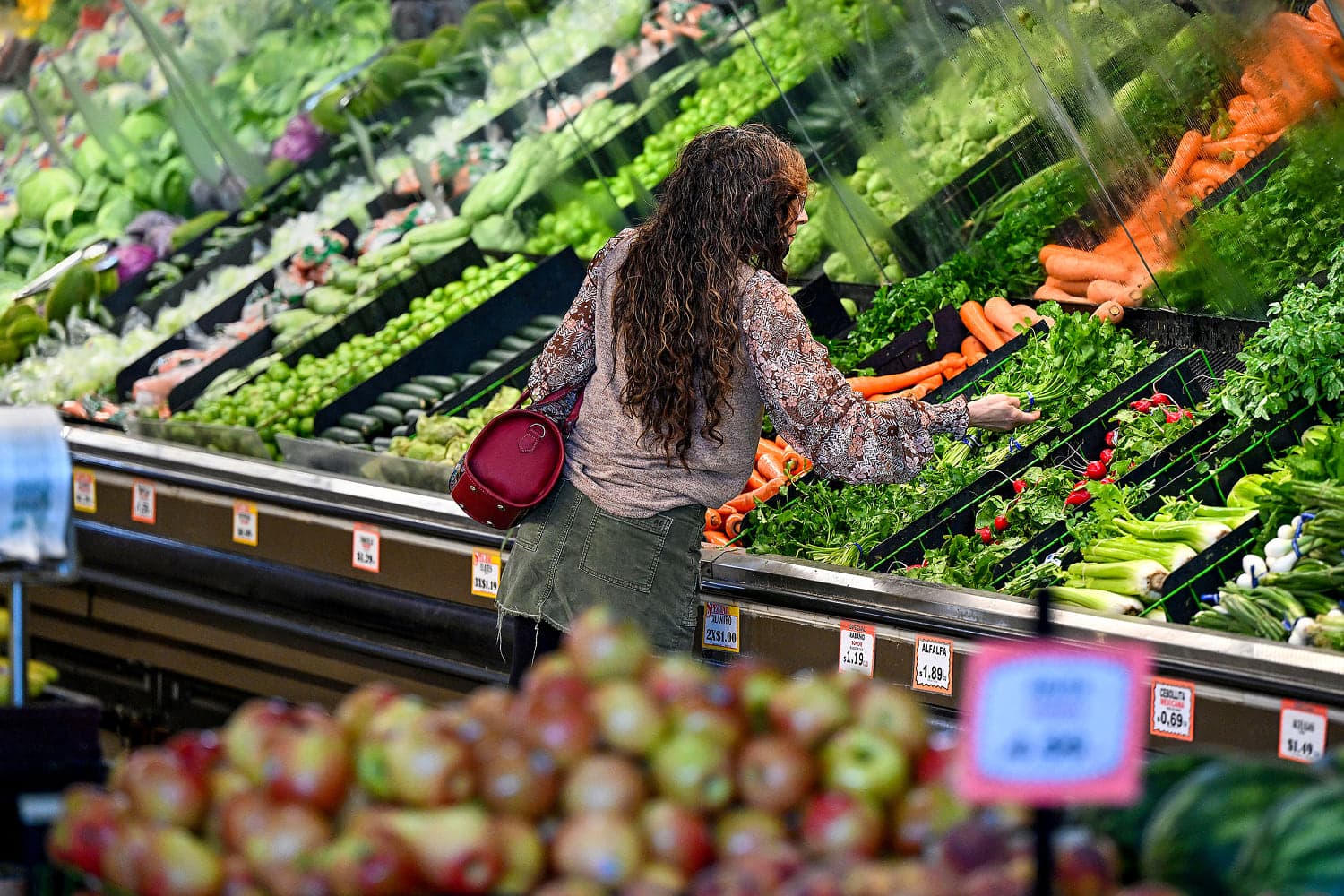
Rising fertilizer costs could lead to increased food prices globally, impacting your grocery bills.
Why it matters
The closure of the Strait of Hormuz jeopardizes a critical supply chain, affecting food security and agricultural costs worldwide.
What happened (in 30 seconds)
- The Iran–United States–Israel War began on February 28, 2026, leading to the closure of the Strait of Hormuz.
- Iran retaliated against military actions by targeting cargo vessels and deploying sea mines, halting fertilizer shipments.
- Fertilizer prices surged dramatically, with Middle East ammonia prices rising 92% and urea 70% year-over-year by March 10.
The context you actually need
- The Strait of Hormuz is a vital chokepoint, handling one-third of the world's fertilizer ingredients and one-fifth of global oil.
- Middle Eastern nations supply 49% of global urea exports and 30% of ammonia exports, making them crucial for agriculture.
- Escalating tensions between the U.S. and Iran have historical roots, exacerbating current geopolitical instability.
What's really happening
The ongoing conflict between the U.S., Israel, and Iran has escalated into a full-blown war, significantly impacting global trade routes, particularly the Strait of Hormuz. This narrow waterway is not only a crucial passage for oil but also for fertilizers essential for agriculture. As military actions intensified, Iran's strategic response involved targeting commercial shipping, which has led to a blockade affecting approximately one-third of the world's fertilizer ingredients that transit through this strait.
The immediate consequence of this blockade is a sharp increase in fertilizer prices. As of March 10, 2026, prices for ammonia from the Middle East surged by 92%, while urea saw a 70% increase year-over-year. In the U.S., ammonia prices rose by 41%, and urea increased by 21%. These price hikes are particularly concerning as they coincide with the northern hemisphere's planting season, where farmers are scrambling to secure necessary supplies. Reports indicate that 25% of farmers have yet to procure adequate fertilizer, putting their yields at risk.
The conflict has broader implications beyond immediate price increases. As fertilizer costs rise, farmers may face reduced profit margins, leading to higher food prices for consumers. This situation is compounded by the fact that U.S. crude oil prices have also surged, exceeding $99 per barrel—up 50% since the onset of the war. This inflationary pressure on fuel and fertilizer costs creates a ripple effect throughout the agricultural supply chain.
Moreover, the geopolitical instability in the region has prompted Gulf states to stockpile perishables, anticipating supply chain disruptions. The interconnectedness of global markets means that these developments will likely lead to food price inflation not just in the Middle East but across the globe, particularly in regions heavily reliant on imports for food supplies.
Who feels it first (and how)
- Farmers: Facing procurement delays and yield risks due to rising fertilizer costs.
- Consumers: Experiencing higher grocery bills as food prices rise due to increased agricultural costs.
- Import-dependent countries: Particularly in the UAE and other Gulf states, where fresh food stocks could deplete rapidly.
- Agricultural sectors: In vulnerable economies, where food security is already a concern, the impact will be more pronounced.
What to watch next
- Fertilizer price trends: Monitoring ongoing price fluctuations will indicate how long the agricultural sector will struggle.
- Military developments: Any changes in the conflict dynamics could alter the status of the Strait of Hormuz and shipping routes.
- Government interventions: Watch for policy measures from the U.S. and other nations aimed at stabilizing food prices and securing fertilizer supplies.
The Strait of Hormuz is currently closed to commercial shipping, disrupting fertilizer supplies.
Continued price increases in fertilizers and food products as the conflict persists.
The duration of the conflict and its long-term impact on global agricultural markets.
Frequently Asked Questions
- Why it matters?
- The closure of the Strait of Hormuz jeopardizes a critical supply chain, affecting food security and agricultural costs worldwide.
- What happened (in 30 seconds)?
- The Iran–United States–Israel War began on February 28, 2026, leading to the closure of the Strait of Hormuz. Iran retaliated against military actions by targeting cargo vessels and deploying sea mines, halting fertilizer shipments. Fertilizer prices surged dramatically, with Middle East ammonia prices rising 92% and urea 70% year-over-year by March 10.
- What's really happening?
- The ongoing conflict between the U.S., Israel, and Iran has escalated into a full-blown war, significantly impacting global trade routes, particularly the Strait of Hormuz. This narrow waterway is not only a crucial passage for oil but also for fertilizers essential for agriculture. As military actions intensified, Iran's strategic response involved targeting commercial shipping, which has led to a blockade affecting approximately one-third of the world's fertilizer ingredients that transit thro
- Who feels it first (and how)?
- Farmers: Facing procurement delays and yield risks due to rising fertilizer costs. Consumers: Experiencing higher grocery bills as food prices rise due to increased agricultural costs. Import-dependent countries: Particularly in the UAE and other Gulf states, where fresh food stocks could deplete rapidly. Agricultural sectors: In vulnerable economies, where food security is already a concern, the impact will be more pronounced.
- What to watch next?
- Fertilizer price trends: Monitoring ongoing price fluctuations will indicate how long the agricultural sector will struggle. Military developments: Any changes in the conflict dynamics could alter the status of the Strait of Hormuz and shipping routes. Government interventions: Watch for policy measures from the U.S. and other nations aimed at stabilizing food prices and securing fertilizer supplies.
International coverage from The Guardian's global desks.
"The Guardian is known for its progressive editorial stance and in-depth analysis."
— A47 Editor
Global food supplies could be badly hit if Iran war drags on, says fertiliser boss
*# The CEO of Yara International has warned that a prolonged war involving Iran could severely disrupt global food supplies, especially if the Strait of Hormuz remains closed, raising concerns about soaring food prices in vulnerable countries. *# Thi...
National headlines across the United States including breaking stories and societal issues.
"NBC News is a mainstream media outlet known for comprehensive national and international news coverage with a centrist to slightly left-leaning editorial tone."
— A47 Editor
The Iran war's looming economic threat: Higher food prices
*# The ongoing war in Iran is disrupting fertilizer shipments through the Strait of Hormuz, raising farmers' costs and pushing food prices higher, according to NBC News. *# This disruption is significant for global agriculture and consumers, as highe...
Comprehensive coverage of global events, politics, and international issues.
"NBC News is a mainstream outlet known for comprehensive national and international coverage with a centrist to slightly left-leaning editorial tone."
— A47 Editor
The Iran war's looming economic threat: Higher food prices
*# The ongoing war in Iran is disrupting fertilizer shipments through the Strait of Hormuz, raising farmers' costs and pushing food prices higher, according to NBC News. *# This disruption is significant for global agriculture and consumers, as highe...
Markets, economy, and company analysis from NYT’s business desk.
"The New York Times is a globally recognized newspaper offering authoritative reporting with a center-left editorial stance."
— A47 Editor
How the Iran War Threatens the Global Food, Energy and Other Supplies
*# The escalating war involving Iran in the Middle East has severely disrupted global supply chains, affecting not only oil and gas but also shipping and airfreight, and threatening the availability of a wide range of goods worldwide. *# This disrupt...