
Uber Partners with Rivian for $1.25 Billion Investment in Autonomous Robotaxis
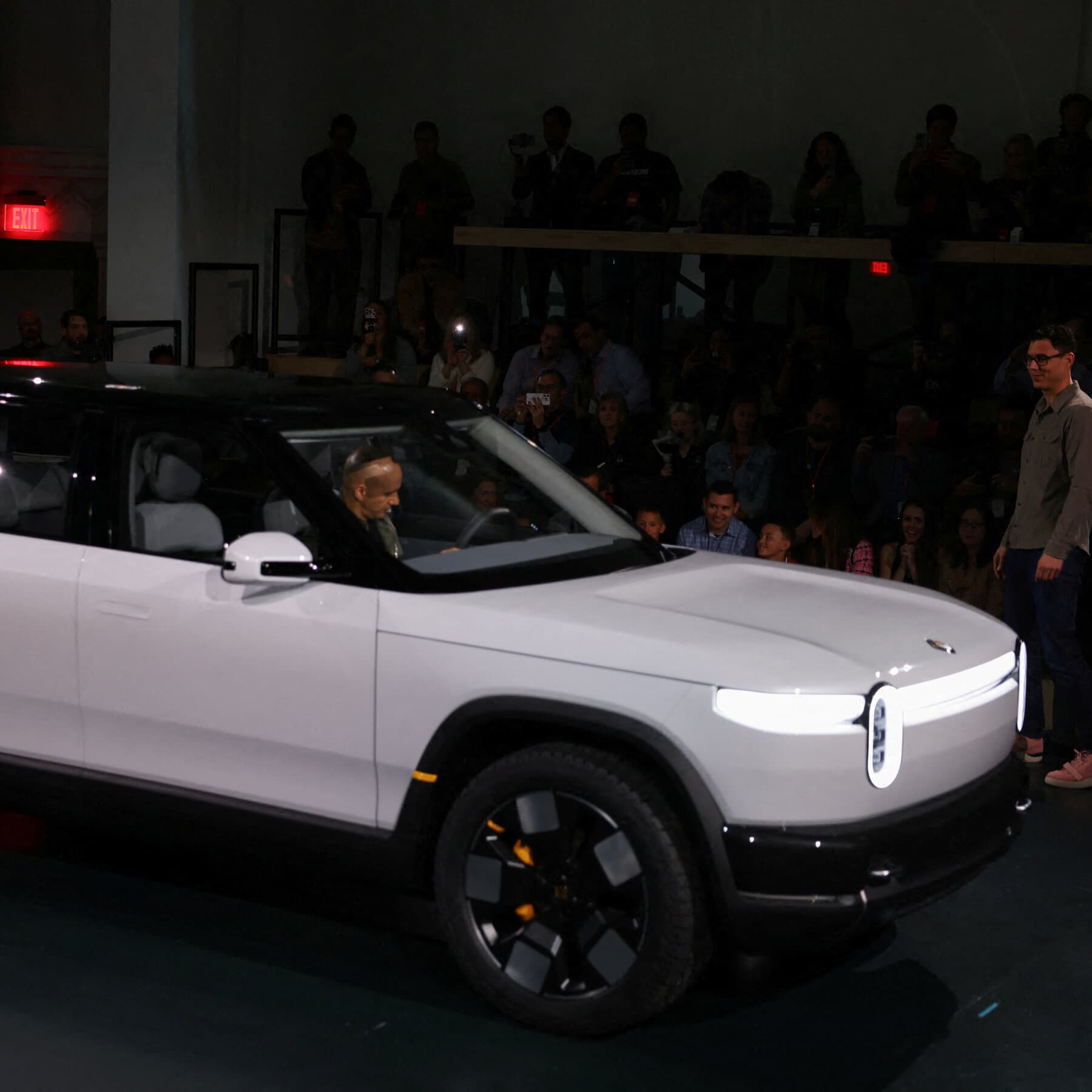
Here's what it means for you.
If you rely on ride-hailing services, the future of your transportation could soon be dominated by autonomous vehicles.
Why it matters
This partnership positions Uber to lead in the competitive autonomous ride-hailing market while providing Rivian with essential funding for its growth.
What happened (in 30 seconds)
- Uber announced a strategic partnership with Rivian to deploy up to 50,000 autonomous R2 robotaxis by 2031.
- An initial investment of $300 million is set to be made, with potential funding reaching $1.25 billion based on performance milestones.
- Deployments will start in 2028 in San Francisco and Miami, expanding to 25 cities across North America and Europe.
The context you actually need
- Uber has been diversifying its partnerships with autonomous vehicle developers to mitigate risks to its human-driver revenue model.
- Rivian, while unprofitable, is developing an in-house autonomy stack, which is crucial for achieving the Level 4 autonomy needed for robotaxis.
- The deal provides Rivian with critical capital for research and development amidst challenges in the electric vehicle market.
What's really happening
On March 19, 2026, Uber and Rivian announced a significant partnership that could reshape the landscape of urban transportation. This collaboration is not just about deploying autonomous vehicles; it’s a strategic maneuver in a rapidly evolving market where competition is intensifying. Uber's initial commitment of $300 million, with the potential to escalate to $1.25 billion, underscores the urgency and importance of achieving autonomy milestones.
The deployment of 50,000 autonomous R2 vehicles is a calculated risk for both companies. For Uber, this partnership allows it to position itself as a central marketplace for robotaxi operations, which is increasingly vital as traditional ride-hailing faces threats from autonomous technology. Rivian, on the other hand, is leveraging this partnership to secure funding necessary for its ambitious growth plans, particularly as it aims to achieve profitability by 2028.
The initial rollout of 10,000 vehicles in San Francisco and Miami is a strategic choice, targeting urban areas where demand for ride-hailing is high. This move not only allows for a concentrated testing ground but also positions Uber to capture market share in cities that are likely to adopt autonomous technologies more readily. The expansion to 25 cities by 2031 indicates a long-term vision that aligns with both companies’ goals of scaling operations and enhancing user experience.
However, this partnership is not without its challenges. Rivian’s reliance on achieving specified autonomy milestones introduces a level of uncertainty. If Rivian fails to meet these benchmarks, the additional funding may not materialize, which could jeopardize the entire project. Moreover, regulatory hurdles remain a significant concern, particularly in California, where the partnership is set to launch. The potential for accountability gaps in the event of accidents involving autonomous vehicles has already drawn criticism from consumer advocacy groups.
As Uber and Rivian navigate these complexities, they are also responding to the broader market dynamics. The electric vehicle sector is facing increasing competition, and both companies must innovate rapidly to maintain relevance. The partnership may serve as a validation of Rivian's technology and manufacturing capabilities, especially as it competes against established players like Tesla.
Who feels it first (and how)
- Ride-hailing customers: Expect a shift towards autonomous vehicles, which could change pricing and availability.
- Uber drivers: May face reduced job opportunities as robotaxis become more prevalent.
- Investors in Rivian: Stand to benefit from potential stock price increases if the partnership proves successful.
- Urban planners and local governments: Will need to adapt infrastructure to accommodate autonomous vehicles.
What to watch next
- Regulatory developments: Watch for updates on regulatory approvals in California, which will impact deployment timelines.
- Rivian's performance milestones: Keep an eye on Rivian's progress towards achieving the autonomy benchmarks necessary for additional funding.
- Market reactions: Observe how competitors respond to this partnership, particularly in terms of their own autonomous vehicle strategies.
Uber and Rivian have announced a partnership for deploying autonomous robotaxis.
Initial deployments will occur in San Francisco and Miami by 2028, pending regulatory approval.
The long-term success of the partnership and its impact on the ride-hailing market remains uncertain.
Frequently Asked Questions
- Why it matters?
- This partnership positions Uber to lead in the competitive autonomous ride-hailing market while providing Rivian with essential funding for its growth.
- What happened (in 30 seconds)?
- Uber announced a strategic partnership with Rivian to deploy up to 50,000 autonomous R2 robotaxis by 2031. An initial investment of $300 million is set to be made, with potential funding reaching $1.25 billion based on performance milestones. Deployments will start in 2028 in San Francisco and Miami, expanding to 25 cities across North America and Europe.
- What's really happening?
- On March 19, 2026, Uber and Rivian announced a significant partnership that could reshape the landscape of urban transportation. This collaboration is not just about deploying autonomous vehicles; it’s a strategic maneuver in a rapidly evolving market where competition is intensifying. Uber's initial commitment of $300 million, with the potential to escalate to $1.25 billion, underscores the urgency and importance of achieving autonomy milestones. The deployment of 50,000 autonomous R2 vehicle
- Who feels it first (and how)?
- Ride-hailing customers: Expect a shift towards autonomous vehicles, which could change pricing and availability. Uber drivers: May face reduced job opportunities as robotaxis become more prevalent. Investors in Rivian: Stand to benefit from potential stock price increases if the partnership proves successful. Urban planners and local governments: Will need to adapt infrastructure to accommodate autonomous vehicles.
- What to watch next?
- Regulatory developments: Watch for updates on regulatory approvals in California, which will impact deployment timelines. Rivian's performance milestones: Keep an eye on Rivian's progress towards achieving the autonomy benchmarks necessary for additional funding. Market reactions: Observe how competitors respond to this partnership, particularly in terms of their own autonomous vehicle strategies.
Tech news, hardware, and AI tools coverage.
"PC/tech site increasingly covering AI hardware and apps."
— A47 Editor
Uber commits up to $1.25 billion in Rivian to deploy 10,000 robotaxis
Uber has announced a significant commitment of up to $1.25 billion to partner with Rivian for the deployment of 10,000 robotaxis, marking a strategic move to enhance its autonomous vehicle fleet. This partnership aims to leverage Rivian's advancement...
Stock market news, investing ideas, and trading analysis.
"TheStreet provides market news and retail-investor-focused analysis."
— A47 Editor
Uber targets 50,000 robotaxis in major Rivian, Nvidia deals
Uber has announced a strategic initiative to deploy 50,000 robotaxis through significant partnerships with Rivian and Nvidia, as detailed in its fourth-quarter earnings report. This move marks a pivotal step in Uber's expansion into the autonomous ve...
Corporate leadership, finance, technology, and market trends.
"Fortune covers financial trends, leadership, and innovation with a pragmatic editorial approach."
— A47 Editor
Uber will operate its own robotaxis again—this time with Rivian’s not‑yet‑built EVs
Uber has announced plans to operate its own robotaxis using electric vehicles from Rivian, marking a significant shift in its strategy after years of partnerships and competition analysis. This move comes as Uber aims to enhance its presence in the d...
Markets, economy, and company analysis from NYT’s business desk.
"The New York Times is a globally recognized newspaper offering authoritative reporting with a center-left editorial stance."
— A47 Editor
Uber to Buy Rivian Vehicles for Use as Driverless Taxis
Uber has announced a significant deal to purchase 10,000 R2 sport utility vehicles from Rivian, alongside a $300 million investment in the electric vehicle manufacturer. This move is part of Uber's strategy to enhance its presence in the driverless t...
Consumer technology news with AI coverage.
"Gadget and tech site reporting on AI in products."
— A47 Editor
Rivian will provide 50,000 robotaxis to Uber in a deal worth $1.25 billion
Rivian has announced a significant partnership with Uber to supply 50,000 robotaxis in a deal valued at $1.25 billion, starting with an initial purchase of 10,000 Rivian R2 robotaxis for deployment in San Francisco and Miami by 2028. If successful, U...
Covers consumer technology, electronics, gadgets, and product reviews.
"Engadget is a trusted source for gadget reviews and consumer tech news, known for its hands-on analysis and industry coverage."
— A47 Editor
Rivian will provide 50,000 robotaxis to Uber in a deal worth $1.25 billion
Rivian has announced a significant partnership with Uber to supply 50,000 robotaxis in a deal valued at $1.25 billion, starting with an initial purchase of 10,000 Rivian R2 robotaxis for deployment in San Francisco and Miami by 2028. If successful, U...
U.S. business news, corporate developments, and economy.
"The Wall Street Journal is respected for deep financial and economic reporting with a center-right editorial perspective."
— A47 Editor
Uber to Invest Up to $1.25 Billion in Rivian Robotaxis
Uber has announced plans to invest up to $1.25 billion in Rivian, aiming to deploy thousands of Rivian R2 robotaxis across cities in the U.S., Canada, and Europe. This partnership signifies a strategic move towards enhancing Uber's presence in the au...
Opinionated AI coverage for general audiences.
"TNW’s AI vertical covering tools, ethics, and trends."
— A47 Editor
Uber and Rivian strike $1.25bn robotaxi deal
Uber has entered a significant partnership with Rivian, agreeing to a $1.25 billion deal to supply 50,000 robotaxis, with the first 10,000 set for deployment in San Francisco and Miami by 2028. This collaboration will utilize Rivian's autonomous tech...