
Facebook launches impersonation detection tools for creators and updates original content guidelines
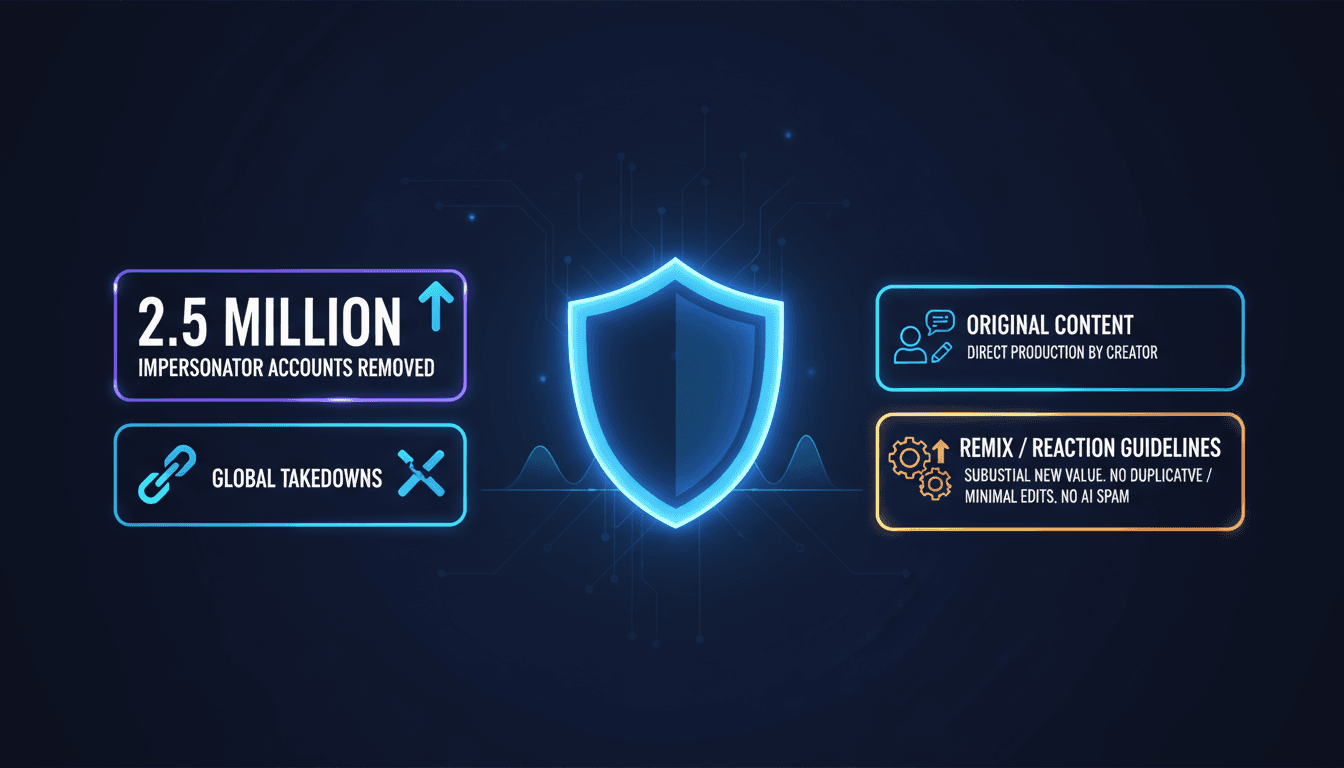
Here's what it means for you.
If you’re a creator on Facebook, expect stronger safeguards against impersonation and clearer guidelines on what constitutes original content.
What happened
Facebook announced updates on March 13, 2026, aimed at bolstering protections for original creators through enhanced impersonation detection tools and refined definitions of original content.
The Context
- Improved tools: New enhancements to Facebook's content protection tool will soon be available for faster impersonation detection and streamlined reporting.
- Original content defined: Content is considered original if it’s created by the Profile or Page owner, with specific criteria for Reels that include the creator's presence and new commentary.
- Impact on creators: Repeated posting of unoriginal content may lead to reduced visibility and monetization risks for creators.
The Number
accounts were removed in 2025 for impersonating large content creators, highlighting the scale of the issue and the need for effective protective measures.
Takeaway
As Facebook rolls out these updates, creators can anticipate a more supportive environment that rewards authenticity and original content.
Curated tech headlines including AI stories.
"Influential aggregator surfacing the day’s top tech/AI links."
— A47 Editor
Facebook launches new tools to help creators detect and report impersonation, and updates guidelines to better define what it considers to be "original content" (Sarah Perez/TechCrunch)
Facebook has launched new tools to help creators detect and report impersonation, alongside updated guidelines clarifying what qualifies as "original content."
Startup news with frequent AI coverage.
"Covers launches, funding, and product updates in AI."
— A47 Editor
Facebook makes it easier for creators to report impersonators
Facebook has introduced new measures to help creators more easily report impersonators and is tightening rules around reposts and unoriginal content, according to TechCrunch.