
Jamie Dimon Warns of Economic Risks Amid Ongoing Iran War and Inflation Concerns
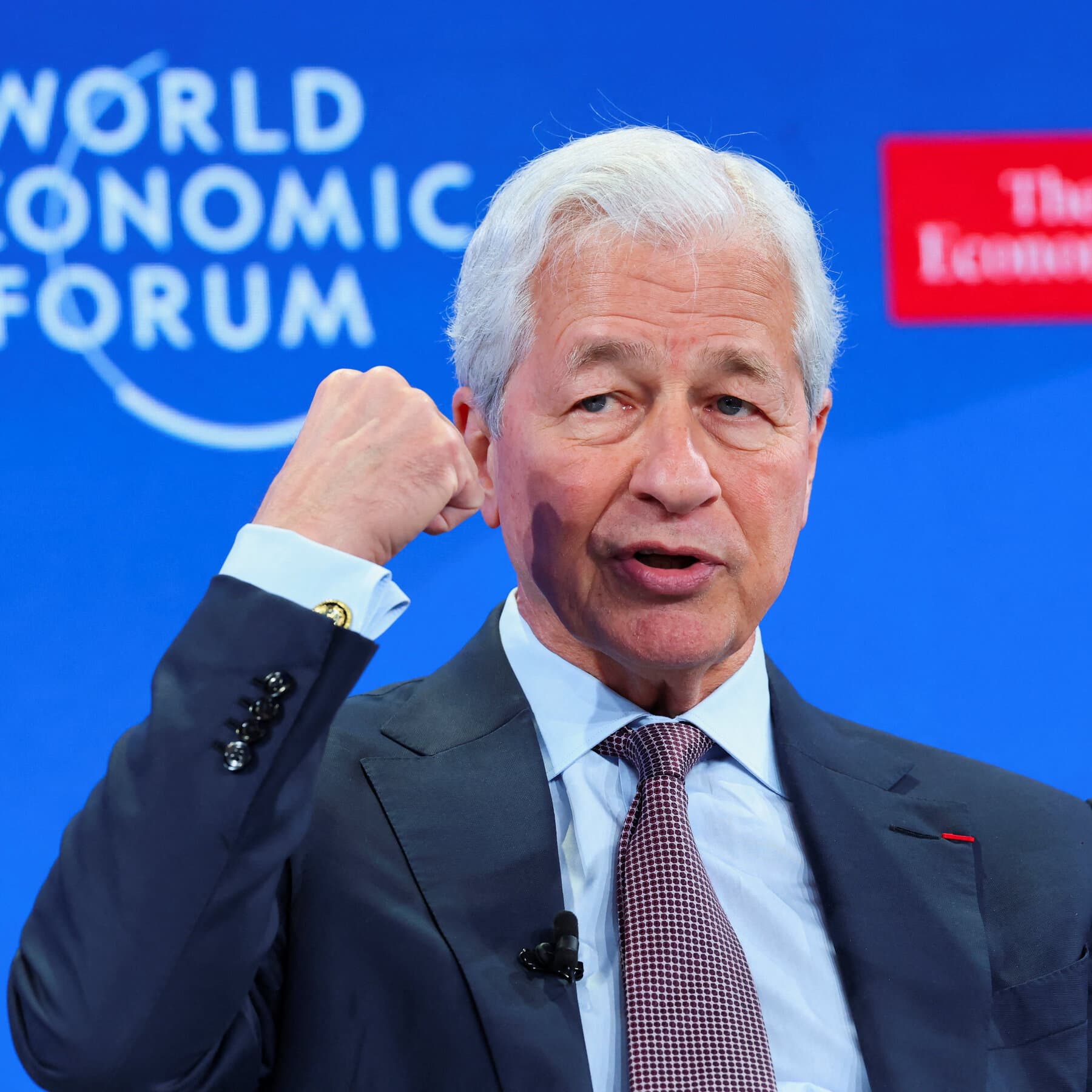
Here's what it means for you.
Your investments could face volatility as geopolitical tensions and inflationary pressures reshape market dynamics.
Why it matters
This assessment from a leading financial executive signals potential shifts in economic stability and investment strategies.
What happened (in 30 seconds)
- Jamie Dimon, CEO of JPMorgan Chase, published his annual letter on April 6, 2026, warning of economic risks linked to the ongoing Iran war.
- Inflation concerns are rising, with potential impacts on interest rates and asset values, as commodity prices fluctuate due to geopolitical tensions.
- Private credit risks are highlighted, with the sector exhibiting weaknesses that could lead to significant losses during economic downturns.
The context you actually need
- The Iran war has disrupted the Strait of Hormuz, pushing Brent crude prices to approximately $110 per barrel, affecting global supply chains.
- Private credit, valued at $1.8 trillion, is experiencing deteriorating standards, raising concerns about its resilience in a downturn.
- Dimon's previous warnings about inflation and market vulnerabilities set the stage for his latest caution, emphasizing a complex economic landscape influenced by multiple global factors.
What's really happening
Jamie Dimon's letter serves as a critical barometer for the current economic climate, reflecting a confluence of geopolitical tensions and market vulnerabilities. The ongoing Iran war has not only disrupted oil supply chains but has also triggered a broader reevaluation of economic stability. As oil prices surge, the potential for inflation rises, leading to fears of a stagflationary environment where economic growth stagnates while prices continue to climb. This scenario could compel central banks to raise interest rates, further straining asset values and investment portfolios.
The private credit market, which has swelled to $1.8 trillion, is particularly susceptible to these shifts. With weakening covenants and a lack of transparency, investors face heightened risks of losses, especially in an economic downturn. Dimon's reference to "cockroaches" in this sector underscores the fragility of these financial instruments, suggesting that while they may not pose systemic threats, their vulnerabilities could lead to significant individual losses.
Moreover, the interplay between inflationary pressures and geopolitical events creates a complex web of risks for investors. The U.S. and Israel's actions in the Middle East have not only immediate implications for oil prices but also long-term effects on global trade dynamics. As supply chains adjust to these disruptions, businesses may face increased costs, which could be passed on to consumers, further fueling inflation.
The broader economic landscape is also influenced by the ongoing conflict in Ukraine and previous tariff actions from the Trump administration, which have added layers of complexity to inflationary pressures. Dimon's insights highlight the necessity for investors to remain vigilant and adaptable in the face of these evolving challenges.
Who feels it first (and how)
- Investors in private credit: They may face immediate losses due to deteriorating market conditions.
- Oil-dependent sectors: Industries reliant on stable oil prices, such as transportation and manufacturing, will be impacted by rising costs.
- Consumers: Households could experience higher prices for goods and services as inflationary pressures mount.
- Dubai residents: Proximity to the Iran war exacerbates local economic challenges, including tourism declines and rising costs.
What to watch next
- U.S. CPI and PCE inflation metrics: These indicators will reveal how inflation is evolving in response to geopolitical tensions and could influence Federal Reserve policy.
- Oil price fluctuations: Continued volatility in oil markets will signal the broader economic impact of the Iran war and its implications for global supply chains.
- Private credit market performance: Monitoring the health of this sector will be crucial, especially as economic conditions change and potential defaults rise.
The Iran war is causing significant disruptions in oil supply and global markets.
Inflationary pressures will continue to rise, prompting potential interest rate hikes.
The long-term impact of private credit vulnerabilities on the broader economy remains uncertain.
Frequently Asked Questions
- Why it matters?
- This assessment from a leading financial executive signals potential shifts in economic stability and investment strategies.
- What happened (in 30 seconds)?
- Jamie Dimon, CEO of JPMorgan Chase, published his annual letter on April 6, 2026, warning of economic risks linked to the ongoing Iran war. Inflation concerns are rising, with potential impacts on interest rates and asset values, as commodity prices fluctuate due to geopolitical tensions. Private credit risks are highlighted, with the sector exhibiting weaknesses that could lead to significant losses during economic downturns.
- What's really happening?
- Jamie Dimon's letter serves as a critical barometer for the current economic climate, reflecting a confluence of geopolitical tensions and market vulnerabilities. The ongoing Iran war has not only disrupted oil supply chains but has also triggered a broader reevaluation of economic stability. As oil prices surge, the potential for inflation rises, leading to fears of a stagflationary environment where economic growth stagnates while prices continue to climb. This scenario could compel central ba
- Who feels it first (and how)?
- Investors in private credit: They may face immediate losses due to deteriorating market conditions. Oil-dependent sectors: Industries reliant on stable oil prices, such as transportation and manufacturing, will be impacted by rising costs. Consumers: Households could experience higher prices for goods and services as inflationary pressures mount. Dubai residents: Proximity to the Iran war exacerbates local economic challenges, including tourism declines and rising costs.
- What to watch next?
- U.S. CPI and PCE inflation metrics: These indicators will reveal how inflation is evolving in response to geopolitical tensions and could influence Federal Reserve policy. Oil price fluctuations: Continued volatility in oil markets will signal the broader economic impact of the Iran war and its implications for global supply chains. Private credit market performance: Monitoring the health of this sector will be crucial, especially as economic conditions change and potential defaults rise.
Stock market news, investing ideas, and trading analysis.
"TheStreet provides market news and retail-investor-focused analysis."
— A47 Editor
JPMorgan has urgent message on Iran war
Jamie Dimon, CEO of JPMorgan Chase, issued a stark warning in his annual letter to shareholders, highlighting the potential economic repercussions of the ongoing war in Iran, including persistent inflation and rising interest rates. This message, del...
Public radio coverage of American news and issues.
"NPR is an American public media organization known for thoughtful reporting and a slightly left-leaning editorial tone."
— A47 Editor
JP Morgan CEO talks about the economy, the Iran war and AI
JP Morgan CEO Jamie Dimon discussed the current economic landscape, the ongoing war in Iran, and the implications of artificial intelligence during an interview with NPR's Steve Inskeep. Dimon highlighted the potential economic repercussions of the c...
Markets, economy, and company analysis from NYT’s business desk.
"The New York Times is a globally recognized newspaper offering authoritative reporting with a center-left editorial stance."
— A47 Editor
Jamie Dimon Warns Investors Over Risks From War and Threat of Rising Inflation
Jamie Dimon, CEO of JPMorgan Chase, has issued a warning in his annual letter to shareholders about the significant risks posed by the ongoing war in Iran, highlighting concerns over rising inflation and interest rates. He emphasized that these geopo...
Markets desk coverage, trading insights, and investor updates.
"WSJ’s markets reporting provides in-depth analysis and context for investors."
— A47 Editor
Five Risks Jamie Dimon Is Worried About in 2026
In his annual letter to shareholders, Jamie Dimon, CEO of JPMorgan Chase, outlined five significant risks he anticipates for 2026, including the ongoing conflict in Iran, which he believes could lead to increased inflation and interest rates.
Top international stories selected by The Guardian editors.
"The Guardian is known for its progressive editorial stance and in-depth analysis."
— A47 Editor
Jamie Dimon says US should strengthen allies economically, in veiled criticism of Trump
Jamie Dimon, CEO of JP Morgan Chase, has urged the U.S. government to bolster its economic ties with allies in response to the ongoing conflict in the Middle East, particularly the war in Iran, which he warns could lead to higher inflation and intere...
UK and international business news, economics, and corporate coverage.
"The Guardian’s business section covers finance and markets with a progressive editorial tone."
— A47 Editor
Jamie Dimon says US should strengthen allies economically, in veiled criticism of Trump
Jamie Dimon, CEO of JP Morgan Chase, has urged the U.S. government to bolster its economic ties with allies in response to the ongoing conflict in the Middle East, particularly the war in Iran, which he warns could lead to higher inflation and intere...
News from the United States including domestic politics, society, and culture.
"The Guardian is known for its progressive editorial stance and in-depth analysis, often advocating for social justice, environmental issues, and liberal values."
— A47 Editor
Jamie Dimon says US should strengthen allies economically, in veiled criticism of Trump
Jamie Dimon, CEO of JP Morgan Chase, has urged the U.S. government to bolster its economic ties with allies in response to the ongoing conflict in the Middle East, particularly the war in Iran, which he warns could lead to higher inflation and intere...