
Oil prices surge 20% amid escalating Middle East conflicts
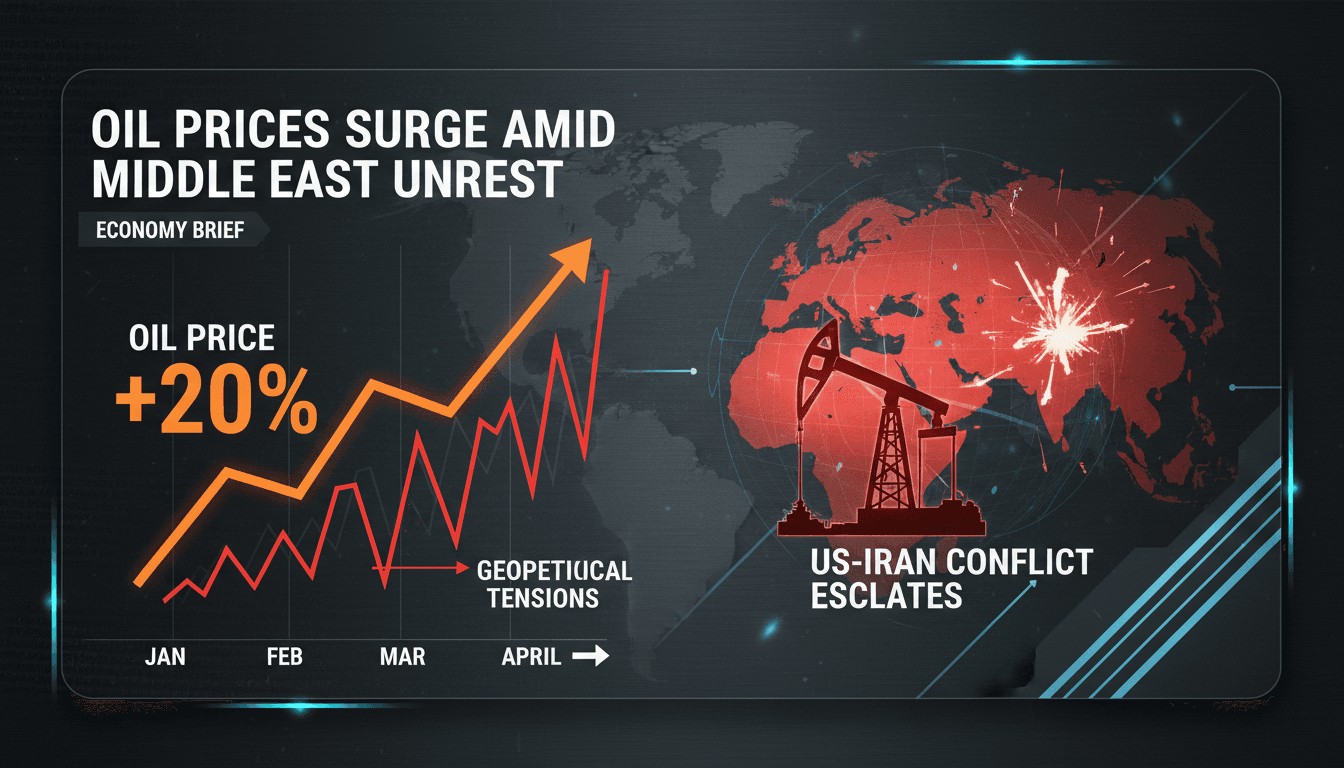
Here's what it means for you.
The recent surge in oil prices signals a significant shift in the energy market, driven by geopolitical tensions, particularly between the US and Iran. This volatility could impact fuel prices for consumers and businesses alike, as supply concerns loom large. Traders and investors will need to navigate this uncertain landscape, as ongoing conflicts may lead to further price fluctuations. As oil prices are set for their biggest monthly gain since March, the implications extend beyond just the market. Policymakers and industry leaders must remain vigilant, as these developments could influence energy strategies and economic forecasts.
What happened
Oil prices are on track for a 20% monthly gain amid rising tensions in the Middle East. The immediate catalyst for this increase is the intensifying conflict involving the US and Iran, which has led to a decrease in US oil stockpiles. This situation has created a volatile trading environment, prompting traders to closely monitor developments in the region.
The market's reaction reflects concerns over supply disruptions, as geopolitical tensions escalate. With President Trump announcing intentions for fresh military actions in Iran, the stakes are higher than ever. The ongoing conflicts are impacting oil supply dynamics, leading to significant price movements.
The Context
The conflict in the Middle East has intensified, creating a ripple effect on global oil supply and prices. Stakeholders, including traders and policymakers, are closely watching US-Iran relations, as any developments could have immediate repercussions on the market. The decrease in US oil stockpiles further complicates the situation, as it raises concerns about future supply availability.
This surge in oil prices is not just a short-term phenomenon; it reflects a broader trend of instability in the region. The market is reacting to threats that span from the Persian Gulf to the Black Sea, highlighting the interconnected nature of global energy markets. As tensions persist, the potential for further disruptions remains a critical concern.
Takeaway
As geopolitical tensions continue to simmer, oil prices are expected to remain volatile in the near future. Traders should keep a close eye on US-Iran relations, as any shifts could significantly impact oil supply and pricing. Additionally, ongoing developments in Middle Eastern conflicts will likely influence global oil markets, making it essential for stakeholders to stay informed.
The outlook suggests that the current volatility is not a temporary blip but rather a reflection of deeper geopolitical issues. Monitoring these dynamics will be crucial for understanding future market movements and potential impacts on energy policies.
Oil, metals, and agriculture: supply/demand headlines, OPEC chatter, inventories, and price action.
"Solid tape for energy and metals traders tracking macro and micro catalysts."
— A47 Editor
Oil prices head for 20% monthly gains as Middle East conflict escalates and widens
Oil prices are projected to achieve a 20% increase for the month, driven by escalating conflicts in the Middle East, particularly involving the United States and Iran. This surge reflects heightened market volatility and concerns over supply disrupti...
UAE-based English-language newspaper covering regional politics, economics, and global affairs.
"The National reflects Emirati policy perspectives while maintaining international editorial standards."
— A47 Editor
Oil on track for monthly gain after volatile week and uncertainty over US-Iran deal
Oil prices are on track for a monthly gain following a volatile week marked by escalating tensions between the United States and Iran. Despite fluctuations, Brent crude is expected to rise approximately 21% in July, influenced by disruptions in Middl...
Global markets, investing, and macroeconomics from a premier financial newsroom.
"Bloomberg is respected for in-depth financial reporting and data-driven analysis."
— A47 Editor
Latest Oil Market News and Analysis for July 31
Oil prices have seen a significant rebound, marking their largest monthly gain since March, as traders navigate ongoing geopolitical tensions and supply threats from regions such as the Persian Gulf and the Black Sea.
Global markets, investing, and macroeconomics from a premier financial newsroom.
"Bloomberg is respected for in-depth financial reporting and data-driven analysis."
— A47 Editor
Latest Oil Market News and Analysis for July 30
Oil prices experienced a significant increase, marking the largest daily jump in over two weeks, as President Donald Trump announced intentions for fresh military strikes in Iran and reported declines in U.S. stockpiles. This development reflects hei...