
Oil prices rise amid concerns over Strait of Hormuz and US-Iran negotiations
What happened
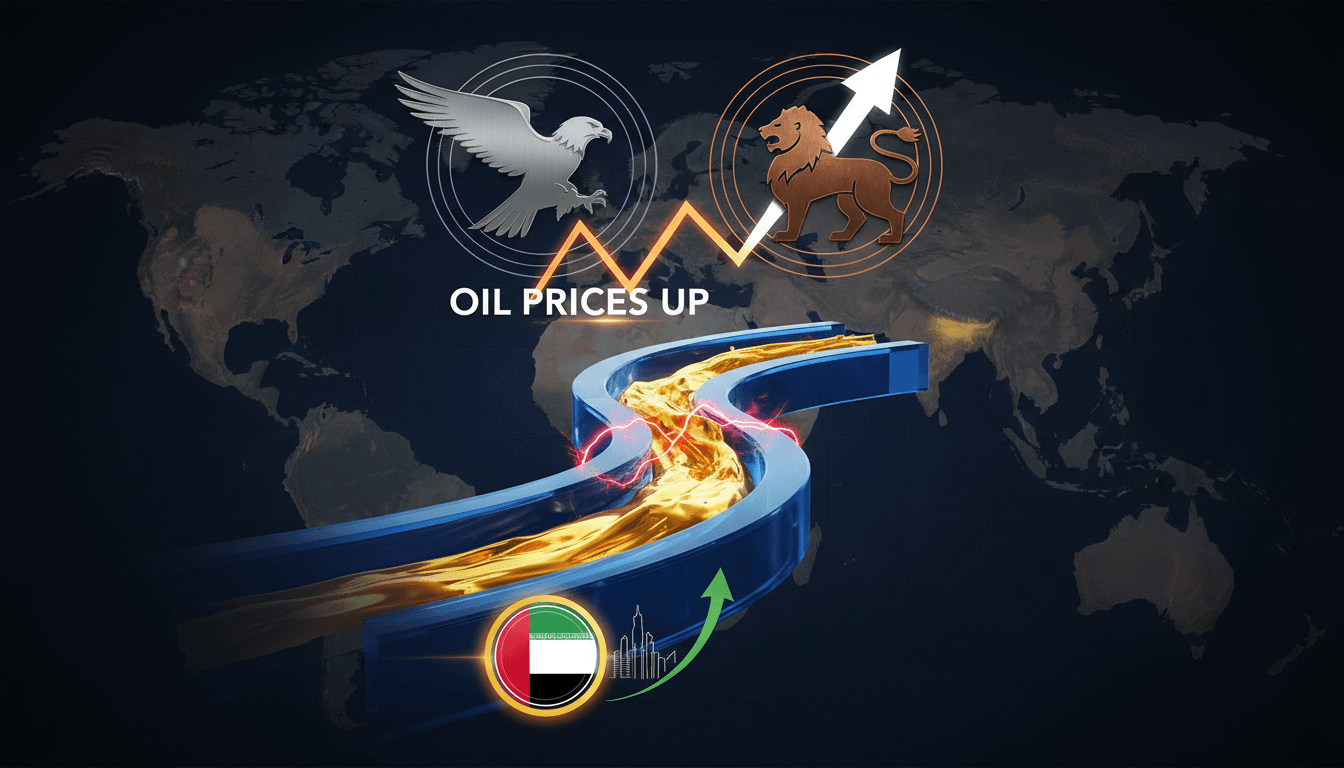
Oil prices have increased due to ongoing concerns regarding the stability of the Strait of Hormuz and the implications of US-Iran negotiations. The Strait is a vital chokepoint for global oil supplies, with approximately 20% of the world's oil passing through it. As discussions between the US and Iran focus on regional stability and the resumption of oil flows, market uncertainty has intensified.
On August 6, 2026, oil prices rose amid these concerns, reflecting heightened anxiety among traders and investors. The UAE's economy is reportedly recovering, which may further influence regional oil demand and complicate the situation.
The Context
The Strait of Hormuz is crucial for global energy markets, making its stability a significant concern for stakeholders. The ongoing US-Iran talks are pivotal, as they aim to address regional stability and the potential reopening of oil flow through this critical passage. The UAE's economic recovery adds another dimension to the situation, potentially affecting oil demand in the region.
As the geopolitical landscape evolves, the outcomes of these negotiations could have far-reaching implications for oil supply and pricing. The timing of these discussions is critical, as market participants closely monitor developments that could reshape the oil market.
Takeaway
The outcome of the US-Iran discussions will be essential in determining future oil supply and pricing dynamics. Market watchers should keep an eye on the results of these negotiations, as they could lead to significant changes in oil flows. Additionally, any announcements regarding the reopening of the Strait of Hormuz will be crucial for understanding the future landscape of oil supply.
As the situation remains fluid, developments in US-Iran relations and regional economic conditions will play a vital role in shaping the oil market's trajectory.
Regional and international reporting focused on Middle Eastern politics, diplomacy, and economics.
"Asharq Al-Awsat is a Saudi-owned international newspaper reflecting mainstream Gulf political perspectives."
— A47 Editor
Oil Rises on Concerns over Strait of Hormuz Reopening Plans
Oil prices have risen amid ongoing concerns regarding the reopening plans for the Strait of Hormuz, a critical maritime route for global oil shipments. Recent negotiations between Iran and Oman are reportedly in the final stages, with Iran setting co...
Arabic-language coverage of international news and geopolitics.
"RT Arabic is a Russian state-funded outlet often criticized for promoting Kremlin-aligned narratives."
— A47 Editor
أسعار النفط ترتفع وسط مخاوف بشأن إمدادات الخليج والوضع في مضيق هرمز
Oil prices rose on Thursday amid ongoing market anticipation regarding the outcomes of discussions between Iran and Oman, as well as the potential resumption of oil flows through the Strait of Hormuz.
UAE-based English-language newspaper covering regional politics, economics, and global affairs.
"The National reflects Emirati policy perspectives while maintaining international editorial standards."
— A47 Editor
US-Iran talks continue, Strait of Hormuz proposal and UAE economy picks up
Ongoing discussions between the United States and Iran continue to focus on the strategic Strait of Hormuz, with recent reports indicating positive progress in negotiations involving Oman. This development is crucial as the Strait is a vital maritime...