
Oil prices surge amid U.S. threats of indefinite blockade on Iran
Here's what it means for you.
The recent surge in oil prices signals heightened volatility in global markets, driven by geopolitical tensions surrounding Iran. As the U.S. threatens an indefinite blockade, stakeholders in the energy sector must prepare for potential supply disruptions. This situation could lead to increased costs for consumers and businesses alike, impacting everything from fuel prices to broader economic stability. Market participants are closely monitoring developments, particularly in the Hormuz Strait, where a significant portion of the world's oil supply transits. The implications of U.S. military actions in the region could further exacerbate these concerns, leading to sustained fluctuations in oil prices.
What happened
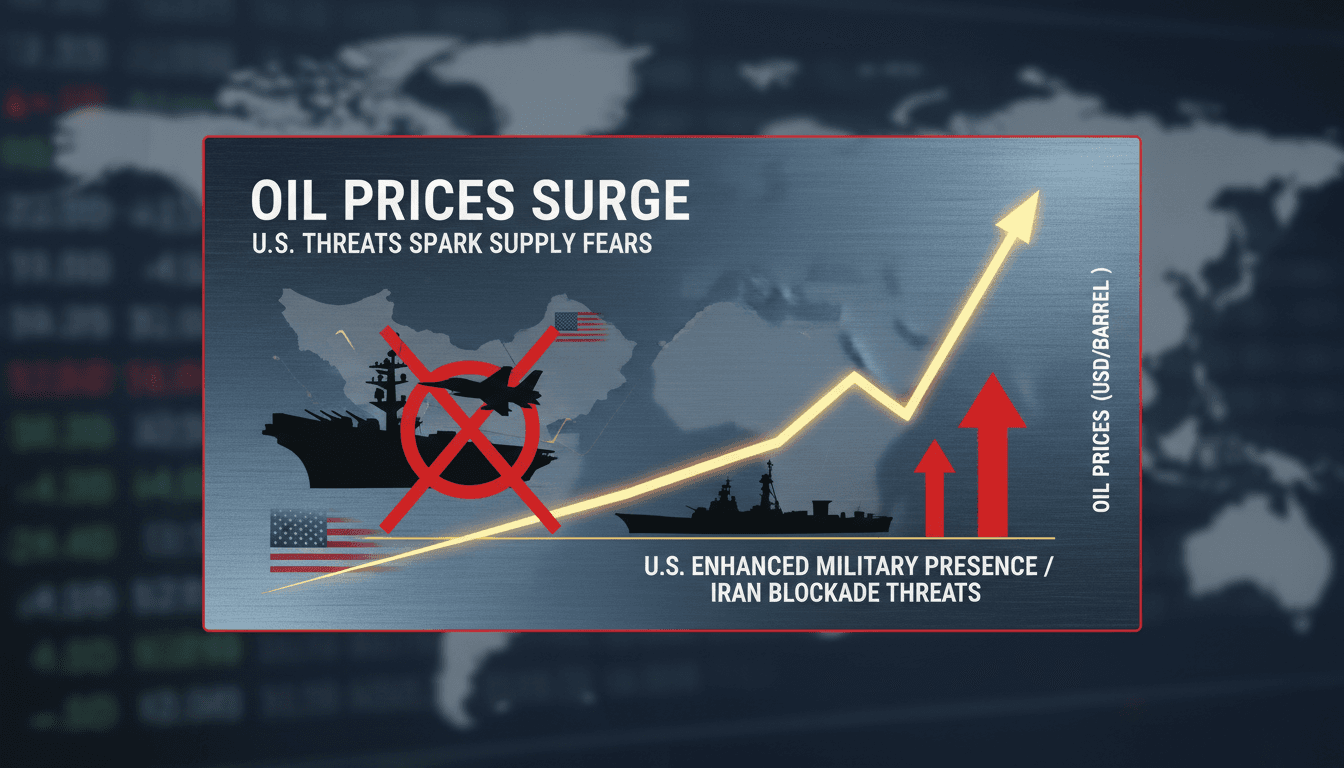
Oil prices have increased by over 1.5% amid stalled negotiations regarding the Hormuz Strait and escalating U.S. military actions. Brent crude rose by $1.34 to $88.41 per barrel, while West Texas Intermediate increased by $1.48 to $82.73 per barrel. These price movements reflect growing anxiety over potential supply disruptions following U.S. threats of an indefinite maritime blockade on Iran.
The market is currently on track for substantial weekly gains, with projections indicating an increase of nearly 6% this week. This surge is a direct response to the heightened military presence in the Middle East, including the deployment of a new U.S. aircraft carrier.
The Context
The U.S. has intensified its military posture in the region, raising concerns about the stability of oil supplies. The threats against Iran come at a time when negotiations over the Hormuz Strait have stalled, further complicating the situation. The Hormuz Strait is a critical chokepoint for global oil shipments, making any disruption a matter of international concern.
U.S. Treasury Secretary Scott Pisent has indicated that unprecedented economic measures against Iran are forthcoming, which could have far-reaching implications for the oil market. As geopolitical tensions escalate, the energy sector is bracing for potential impacts on pricing and supply chains.
Takeaway
Looking ahead, market participants should keep a close eye on upcoming U.S. decisions regarding economic sanctions on Iran. These developments could significantly influence oil prices and market stability in the coming weeks. Additionally, reactions to Baker Hughes' data on U.S. oil and gas rigs will provide further insights into domestic production levels and their impact on global supply.
The ongoing geopolitical tensions suggest that oil prices will remain volatile, with potential ramifications for both consumers and businesses. Stakeholders must remain vigilant as the situation evolves.
Sports reporting with a focus on Saudi and regional competitions.
"Okaz sports coverage is broad and audience-friendly, with strong attention to Saudi teams and leagues."
— A47 Editor
النفط يرتفع بأكثر من 1% ويعزز مكاسبه الأسبوعية
Oil prices continued to rise on Friday, gaining over 1% amid renewed concerns about crude supply following the U.S. threat of an indefinite maritime ban on Iran. Both Brent and West Texas Intermediate crude are on track for weekly gains exceeding 5%,...
Oil, metals, and agriculture: supply/demand headlines, OPEC chatter, inventories, and price action.
"Solid tape for energy and metals traders tracking macro and micro catalysts."
— A47 Editor
Oil rises after US threatens indefinite blockade of Iran; set for weekly gains
Oil prices have risen following the U.S. government's threat of an indefinite blockade against Iran, reflecting heightened geopolitical tensions. This increase is indicative of market reactions to the ongoing conflict and uncertainty surrounding oil ...
Markets desk coverage, trading insights, and investor updates.
"WSJ’s markets reporting provides in-depth analysis and context for investors."
— A47 Editor
Oil Heads For Significant Weekly Gain Amid Stalled Hormuz Talks
Oil prices have increased by over 1.5%, with benchmarks on track for a nearly 6% weekly gain, as negotiations regarding the Strait of Hormuz have stalled and the U.S. plans to deploy an additional aircraft carrier to the Middle East.