
Federal Reserve Officials Signal Growing Support for Interest Rate Hikes Amid Persistent Inflation
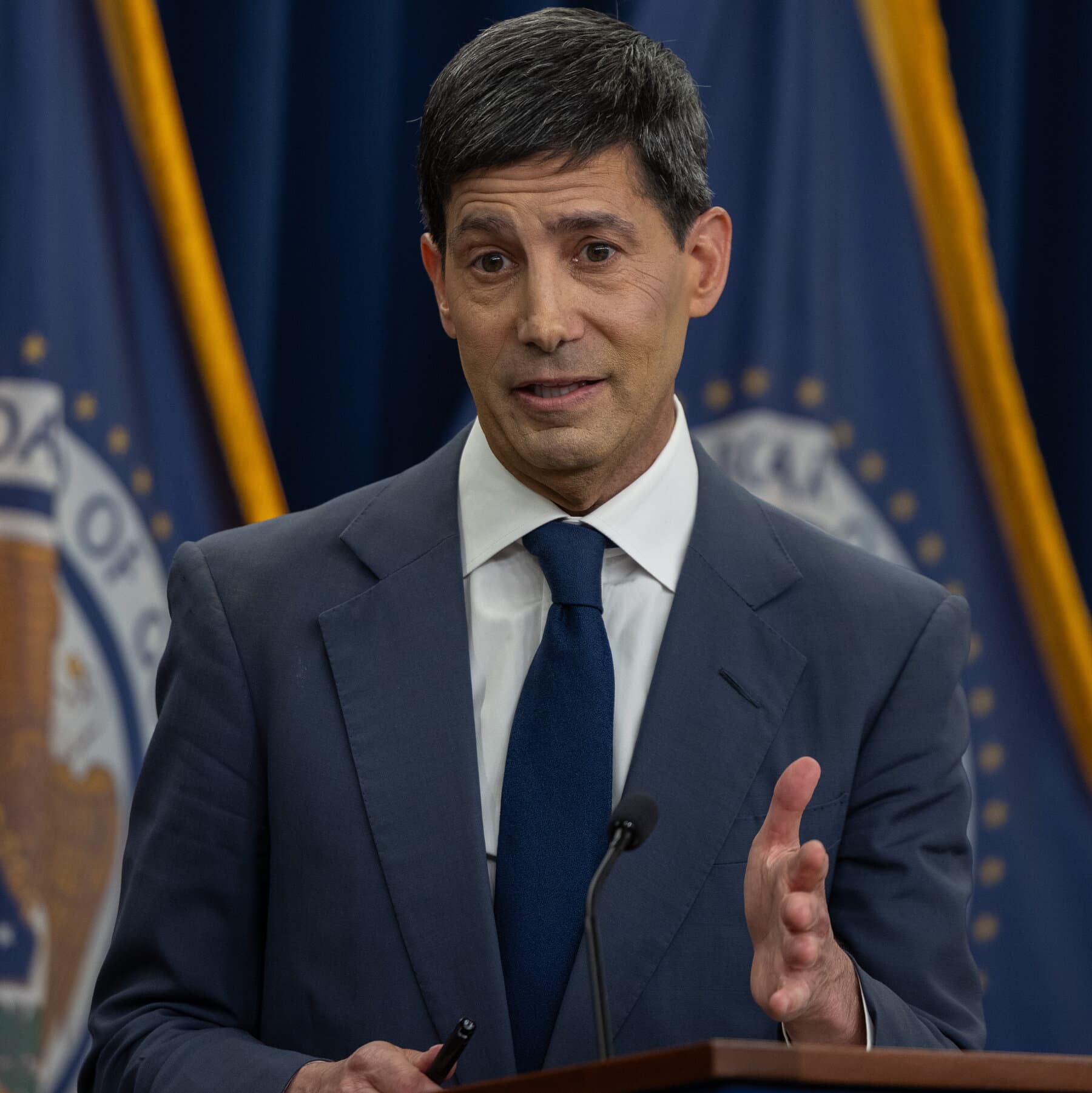
Here's what it means for you.
If you're in finance or business, the Fed's potential rate hikes could reshape your cost of borrowing and investment strategies.
Why it matters
Persistent inflation and rising interest rates can significantly impact economic growth and consumer spending.
What happened (in 30 seconds)
- Fed officials showed increasing impatience with inflation, supporting higher interest rates during the July meeting.
- A 9-3 vote maintained the federal funds rate at 3.5-3.75%, marking the first significant dissent since 2016.
- Broad price pressures from geopolitical tensions, AI investments, and tariffs are keeping inflation above the 2% target.
The context you actually need
- Inflation has exceeded the Fed's target for five consecutive years, driven by external pressures like the Iran conflict and tariffs.
- The new Fed Chair, Kevin M. Warsh, emphasizes price stability but faces mixed economic signals.
- Dissenting voices within the FOMC indicate a growing urgency to address inflation before it escalates further.
What's really happening
The Federal Reserve's recent minutes reveal a critical juncture in U.S. monetary policy. With inflation stubbornly above the 2% target for five years, the Fed is grappling with the implications of rising prices on economic stability. The July 28-29, 2026, Federal Open Market Committee (FOMC) meeting showcased a notable shift in sentiment among policymakers. While the committee ultimately voted 9-3 to maintain the federal funds rate at 3.5-3.75%, the dissenting votes from three regional bank presidents signal a growing impatience with the current monetary stance.
The dissenters, representing the Cleveland, Minneapolis, and Dallas Federal Reserve Banks, argued that the existing policy was insufficient to combat the broad-based price pressures affecting the economy. Factors such as the ongoing conflict in Iran, which has driven energy costs higher, and the surge in AI-related investments have contributed to inflationary pressures. Additionally, tariffs imposed during previous administrations have further complicated the economic landscape, creating a perfect storm for rising prices.
The Fed's cautious approach in prior meetings reflects the mixed economic signals it has been receiving. While some members expect inflation to moderate later in 2026 as the effects of tariffs and energy prices fade, others remain concerned about the risks of persistent inflation due to geopolitical uncertainties and the demand for AI technologies. This internal conflict within the FOMC highlights the delicate balance the Fed must strike between fostering economic growth and ensuring price stability.
As the Fed navigates these challenges, the implications for consumers and businesses are significant. Higher interest rates could lead to increased borrowing costs, affecting everything from mortgages to business loans. This could, in turn, dampen consumer spending and slow economic growth, creating a ripple effect throughout various sectors.
Who feels it first (and how)
- Homebuyers: Higher mortgage rates could increase monthly payments, reducing affordability.
- Small businesses: Increased borrowing costs may limit expansion and operational investments.
- Investors: Stock market volatility may rise as interest rates impact corporate earnings and valuations.
- Consumers: Higher prices for goods and services could strain household budgets, particularly for low- to middle-income families.
- Expatriates in Dubai: A stronger USD could increase costs for imported goods, affecting living expenses.
What to watch next
- September FOMC meeting: Watch for potential rate hikes as dissent signals increase pressure on the Fed to act.
- Inflation data releases: Key metrics will indicate whether inflation is moderating or remaining persistent, influencing Fed decisions.
- Geopolitical developments: Ongoing tensions in the Middle East could further impact energy prices and inflation expectations.
Inflation has exceeded the Fed's target for five consecutive years.
Increased pressure for rate hikes in the near term as dissent grows within the FOMC.
The long-term impact of AI investments and geopolitical tensions on inflation trends.
Frequently Asked Questions
- Why it matters?
- Persistent inflation and rising interest rates can significantly impact economic growth and consumer spending.
- What happened (in 30 seconds)?
- Fed officials showed increasing impatience with inflation, supporting higher interest rates during the July meeting. A 9-3 vote maintained the federal funds rate at 3.5-3.75%, marking the first significant dissent since 2016. Broad price pressures from geopolitical tensions, AI investments, and tariffs are keeping inflation above the 2% target.
- What's really happening?
- The Federal Reserve's recent minutes reveal a critical juncture in U.S. monetary policy. With inflation stubbornly above the 2% target for five years, the Fed is grappling with the implications of rising prices on economic stability. The July 28-29, 2026, Federal Open Market Committee (FOMC) meeting showcased a notable shift in sentiment among policymakers. While the committee ultimately voted 9-3 to maintain the federal funds rate at 3.5-3.75%, the dissenting votes from three regional bank pres
- Who feels it first (and how)?
- Homebuyers: Higher mortgage rates could increase monthly payments, reducing affordability. Small businesses: Increased borrowing costs may limit expansion and operational investments. Investors: Stock market volatility may rise as interest rates impact corporate earnings and valuations. Consumers: Higher prices for goods and services could strain household budgets, particularly for low- to middle-income families. Expatriates in Dubai: A stronger USD could increase costs for imported good
- What to watch next?
- September FOMC meeting: Watch for potential rate hikes as dissent signals increase pressure on the Fed to act. Inflation data releases: Key metrics will indicate whether inflation is moderating or remaining persistent, influencing Fed decisions. Geopolitical developments: Ongoing tensions in the Middle East could further impact energy prices and inflation expectations.
Markets, economy, and company analysis from NYT’s business desk.
"The New York Times is a globally recognized newspaper offering authoritative reporting with a center-left editorial stance."
— A47 Editor
More Fed Officials Lost Patience About Elevated Inflation at Latest Meeting
The Federal Reserve's recent meeting minutes revealed a growing consensus among officials for increasing interest rates to combat persistent inflation, with Chairman Kevin M. Warsh prioritizing this issue.
Major U.S. developments and regional news.
"ABC News delivers broad national coverage with a mainstream editorial stance, focusing on accessibility and balanced reporting."
— A47 Editor
'Many' Fed officials think higher rates will be needed if inflation stays high
Minutes from the Federal Reserve's recent meeting indicate that many officials believe an increase in the key short-term interest rate may be necessary if inflation remains elevated. This sentiment reflects ongoing concerns about the inflationary pre...
Macro commentary, policy analysis, growth/inflation themes, and global outlooks.
"Contextual macro coverage that complements day-to-day market headlines."
— A47 Editor
Fed policymakers’ inflation concerns increased at July meeting, minutes show
The minutes from the Federal Reserve's July meeting reveal heightened concerns among policymakers regarding inflation, indicating a potential shift in monetary policy if inflation does not improve significantly. Three officials expressed a desire for...
Macro commentary, policy analysis, growth/inflation themes, and global outlooks.
"Contextual macro coverage that complements day-to-day market headlines."
— A47 Editor
Many policymakers see rate hikes likely if inflation does not fall - Fed minutes
Recent minutes from the Federal Reserve indicate a strong likelihood of interest rate hikes if inflation does not show improvement, with three officials advocating for an increase during the last meeting. This reflects ongoing concerns about rising i...
Global business headlines with AI angles.
"General business outlet that frequently covers AI."
— A47 Editor
The Fed Held Rates Steady In July. But Members Said They Will Need To Hike Unless Inflation Cools.
The Federal Reserve held interest rates steady during its recent meeting in July, with members indicating that further tightening may be necessary unless inflation shows signs of cooling. This decision reflects ongoing concerns about inflationary pre...
Business, investment, entrepreneurship, leadership, and innovation.
"Forbes is known for its coverage of business leaders, market trends, and entrepreneurial ventures with a pro-business editorial stance."
— A47 Editor
Fed Minutes Signal Interest Rate Hikes Unless Inflation Improves
The Federal Reserve's recent minutes indicate a strong likelihood of interest rate hikes unless inflation shows significant improvement, with three officials advocating for an increase during the last meeting. This reflects ongoing concerns about ris...