
Brent Crude Hits $97 per Barrel as U.S. Diesel Prices Surge Amid Iran War Disruptions
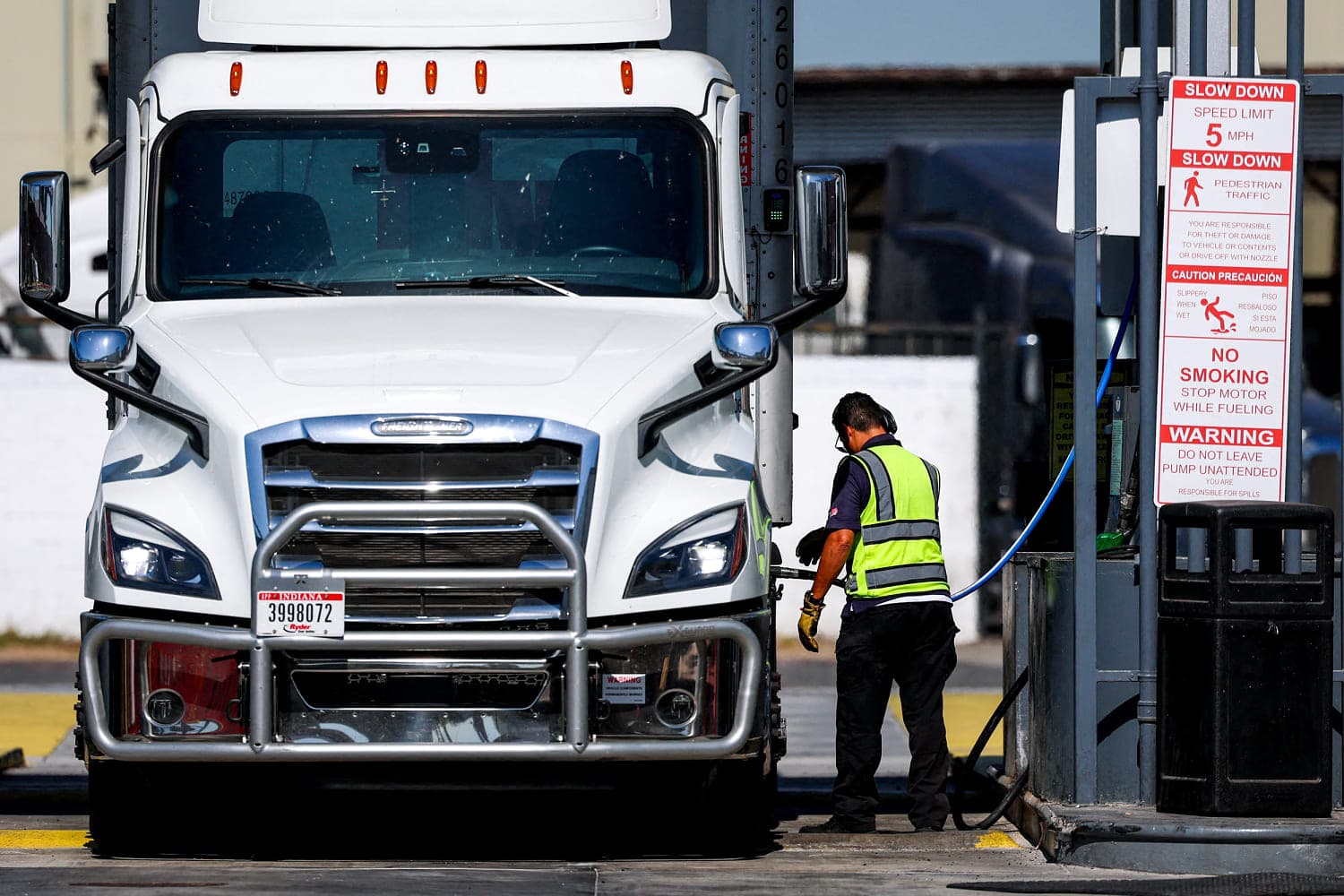
Here's what it means for you.
Rising oil prices are likely to increase your transportation and goods costs, impacting your daily expenses.
Why it matters
The surge in oil prices affects global supply chains and consumer prices, leading to inflationary pressures.
What happened (in 30 seconds)
- Brent crude oil prices reached $97 per barrel on September 3, 2026, driven by geopolitical tensions.
- U.S. diesel prices surged to $5.78 per gallon, marking a 53% increase since the onset of the U.S.-Iran conflict.
- Supply disruptions from the Strait of Hormuz and Russian diesel export bans have severely impacted global energy markets.
The context you actually need
- U.S.-Iran conflict escalated in February 2026, disrupting maritime oil routes and affecting global oil supply.
- Strait of Hormuz is critical for oil transport, with 20% of global oil supply previously transiting daily; disruptions have reduced traffic significantly.
- Refinery capacity is strained, with utilization rates above 95%, compounding the effects of rising crude prices and supply constraints.
What's really happening
The recent spike in Brent crude oil prices to $97 per barrel is a direct consequence of the ongoing U.S.-Iran conflict, which has severely disrupted oil supply routes through the Strait of Hormuz. This strategic waterway is vital for global oil transport, and the conflict has led to a significant reduction in tanker traffic, with exports recovering to only 50-67% of pre-war levels. The situation has been exacerbated by Russian actions, including a ban on diesel exports, which accounts for approximately 20% of global seaborne diesel trade.
As a result, U.S. diesel prices have surged to $5.78 per gallon, the highest since mid-2022, reflecting a 53% increase since the conflict began. This price hike is not just a number; it translates into higher costs for transportation, agriculture, and construction sectors, which rely heavily on diesel fuel. The ripple effects of these price increases are likely to be felt across the economy, contributing to broader inflationary pressures.
Analysts are closely monitoring the situation, as the Federal Reserve has indicated that energy prices have not yet broadly affected other goods, but the potential for inflation remains high. The market is pricing in sustained inflation, which has pushed U.S. Treasury yields higher. Companies and consumers alike are bracing for the impact of these rising costs, with agricultural sectors preparing for higher input costs ahead of harvest seasons.
The geopolitical landscape is also shifting, with President Trump affirming readiness for further military action in the region, which could prolong the conflict and maintain upward pressure on oil prices. Goldman Sachs and ING have revised their supply recovery estimates downward, indicating that the situation may not improve in the near term.
Who feels it first (and how)
- Consumers: Higher prices at the pump directly affect household budgets, especially for those reliant on diesel for transportation.
- Transportation Sector: Logistics and freight costs are rising, impacting delivery times and pricing for goods.
- Agriculture: Farmers face increased costs for fuel and machinery, which could lead to higher food prices.
- Construction: Elevated diesel prices affect project costs and timelines, potentially slowing down development.
- UAE Residents: Increased fuel and logistics costs due to regional supply constraints impact daily living expenses.
What to watch next
- Geopolitical developments: Monitor any escalation in the U.S.-Iran conflict, as further military actions could disrupt oil supply further.
- Refinery capacity: Watch for updates on refinery utilization rates; any changes could signal shifts in diesel availability and pricing.
- Inflation indicators: Keep an eye on inflation metrics, particularly in transportation and food sectors, as they may reflect the broader economic impact of rising oil prices.
Oil prices are elevated due to geopolitical tensions and supply disruptions.
Continued inflationary pressures in transportation and goods prices as a result of rising diesel costs.
The duration of the U.S.-Iran conflict and its long-term impact on global oil supply.
Frequently Asked Questions
- Why it matters?
- The surge in oil prices affects global supply chains and consumer prices, leading to inflationary pressures.
- What happened (in 30 seconds)?
- Brent crude oil prices reached $97 per barrel on September 3, 2026, driven by geopolitical tensions. U.S. diesel prices surged to $5.78 per gallon, marking a 53% increase since the onset of the U.S.-Iran conflict. Supply disruptions from the Strait of Hormuz and Russian diesel export bans have severely impacted global energy markets.
- What's really happening?
- The recent spike in Brent crude oil prices to $97 per barrel is a direct consequence of the ongoing U.S.-Iran conflict, which has severely disrupted oil supply routes through the Strait of Hormuz. This strategic waterway is vital for global oil transport, and the conflict has led to a significant reduction in tanker traffic, with exports recovering to only 50-67% of pre-war levels. The situation has been exacerbated by Russian actions, including a ban on diesel exports, which accounts for approx
- Who feels it first (and how)?
- Consumers: Higher prices at the pump directly affect household budgets, especially for those reliant on diesel for transportation. Transportation Sector: Logistics and freight costs are rising, impacting delivery times and pricing for goods. Agriculture: Farmers face increased costs for fuel and machinery, which could lead to higher food prices. Construction: Elevated diesel prices affect project costs and timelines, potentially slowing down development. UAE Residents: Increased fuel and
- What to watch next?
- Geopolitical developments: Monitor any escalation in the U.S.-Iran conflict, as further military actions could disrupt oil supply further. Refinery capacity: Watch for updates on refinery utilization rates; any changes could signal shifts in diesel availability and pricing. Inflation indicators: Keep an eye on inflation metrics, particularly in transportation and food sectors, as they may reflect the broader economic impact of rising oil prices.
U.S. business news, corporate developments, and economy.
"The Wall Street Journal is respected for deep financial and economic reporting with a center-right editorial perspective."
— A47 Editor
Record Fuel Prices Pose Fresh Challenge for Trump Ahead of Midterms
Diesel prices in the U.S. have surged to an unprecedented average of $5.85 per gallon, surpassing the previous record set in 2022, presenting a significant challenge for former President Trump as he approaches the midterm elections.
Global business headlines with AI angles.
"General business outlet that frequently covers AI."
— A47 Editor
Diesel Fuel Price Hits All-Time High. No End In Sight To Price Crunch.
Diesel fuel prices have reached an all-time high of $5.85 per gallon, reflecting a 23-cent increase over the past week, as reported by the American Automobile Association (AAA). This surge in diesel prices contributes to ongoing concerns about fuel a...
News from the United States including domestic politics, society, and culture.
"Global News is a mainstream Canadian media outlet generally considered to have a centrist editorial stance, covering news with a focus on factual reporting and national interest."
— A47 Editor
U.S. diesel prices soar to an all-time record high
U.S. diesel prices have reached an unprecedented average of $5.85 per gallon, a record high driven by ongoing disruptions in fuel supply due to the six-month war with Iran. This surge marks a significant escalation in fuel costs, impacting various se...
Coverage of national news and events from across the United States.
"HuffPost is known for its progressive editorial stance, offering opinionated yet comprehensive coverage on social, political, and cultural topics."
— A47 Editor
U.S. Diesel Prices Hit Record High Of $5.85 On Average As Iran War Disrupts Flow Of Fuel
U.S. diesel prices have reached a record high of $5.85 per gallon, primarily due to disruptions in fuel supply caused by the ongoing war in Iran. This surge in prices is expected to have a significant impact on transportation costs across various sec...
Oil, metals, and agriculture: supply/demand headlines, OPEC chatter, inventories, and price action.
"Solid tape for energy and metals traders tracking macro and micro catalysts."
— A47 Editor
US diesel prices hit record high as conflicts intensify supply crunch
US diesel prices have reached a record high as ongoing geopolitical conflicts exacerbate supply shortages, significantly impacting the market dynamics. This surge in prices reflects the broader instability in oil supply chains, particularly influence...
Comprehensive coverage of global events, politics, and international issues.
"NBC News is a mainstream outlet known for comprehensive national and international coverage with a centrist to slightly left-leaning editorial tone."
— A47 Editor
Oil touches $97 per barrel as diesel prices surge to highest level this year
The nationwide average price for diesel fuel has surged to $5.78 per gallon, reflecting a 9-cent increase overnight, as oil prices have reached $97 per barrel, marking the highest level for diesel this year.