
Oil Prices Surge as Diesel Hits Record High Amid Escalating US-Iran Conflict
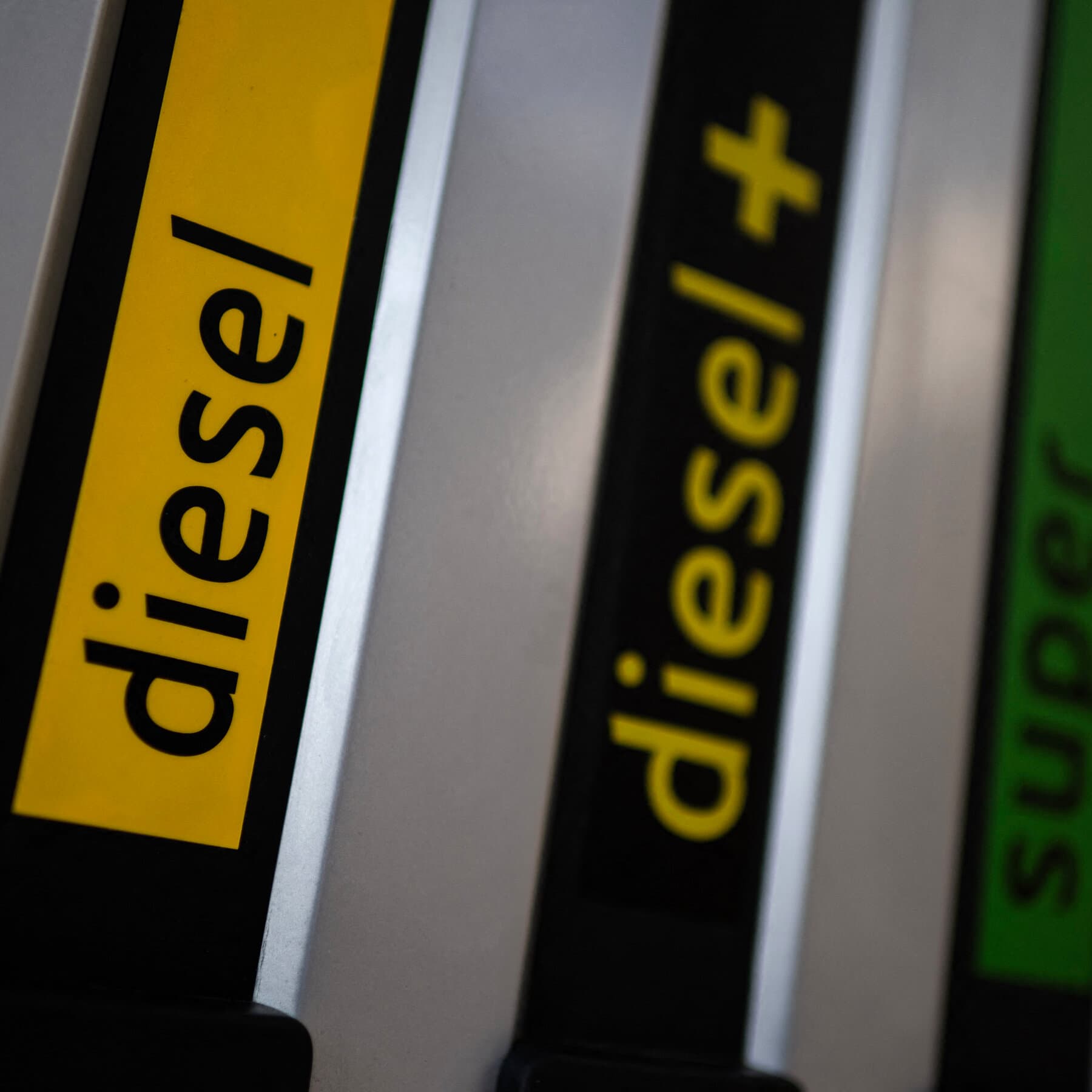
Here's what it means for you.
Rising diesel prices could impact your transportation costs and overall inflation.
Why it matters
The ongoing U.S.-Iran conflict is disrupting global energy supplies, leading to significant price increases that affect consumers and businesses alike.
What happened (in 30 seconds)
- Oil prices rose for the fourth consecutive day, with Brent crude reaching approximately $96 per barrel.
- U.S. diesel prices hit a record high of $5.85 per gallon, up 55% since late February 2026.
- Geopolitical tensions in the Strait of Hormuz and Ukrainian attacks on Russian refineries are exacerbating supply constraints.
The context you actually need
- The U.S.-Iran conflict has entered its seventh month, significantly affecting oil tanker traffic through the Strait of Hormuz, a critical global shipping route.
- Ukrainian drone strikes on Russian refineries have compounded supply issues, leading to a diesel export ban from Russia.
- Despite claims of normalized flows, independent trackers report ongoing supply bottlenecks, contributing to rising prices.
What's really happening
The recent surge in oil and diesel prices is a direct consequence of escalating geopolitical tensions, particularly the U.S.-Iran conflict that began in late February 2026. As military strikes between the two nations intensified, they disrupted energy flows through the Strait of Hormuz, a vital passage for approximately 20% of the world's oil supply. This disruption has led to a significant decline in tanker traffic, with reports indicating average exports of only 7.5 million barrels per day, a stark contrast to pre-conflict levels.
In addition to the U.S.-Iran conflict, Ukrainian forces have been targeting Russian refineries, further straining the global oil supply chain. The resulting diesel export ban from Russia has created a ripple effect, pushing U.S. diesel prices to an all-time high of $5.85 per gallon by September 5, 2026. This price point surpasses the previous peak of $5.82 recorded in 2022, reflecting a 55% increase since the conflict's onset.
Analysts from ING have noted that the refined product markets are exceptionally tight, indicating that the current price levels may not be temporary. The Trump administration has attempted to downplay the disruptions, asserting that U.S. naval operations are facilitating oil flows. However, independent tracking services have reported lower average exports, suggesting that the administration's claims may not fully align with on-the-ground realities.
The implications of these price increases extend beyond just fuel costs. As diesel prices rise, transportation and logistics costs are likely to follow suit, leading to broader inflationary pressures on goods and services. This could affect everything from food prices to consumer goods, ultimately impacting your wallet.
Who feels it first (and how)
- Consumers: Higher diesel prices will increase transportation costs, affecting everything from groceries to delivery services.
- Logistics companies: Increased fuel costs will squeeze profit margins and may lead to higher shipping fees.
- Businesses reliant on transportation: Companies in sectors like retail and manufacturing may face rising operational costs, potentially leading to price hikes for consumers.
- Investors: Those with stakes in energy markets may see volatility in stock prices as geopolitical tensions continue to unfold.
What to watch next
- Global oil supply levels: Monitoring tanker traffic through the Strait of Hormuz will provide insights into potential price fluctuations.
- U.S. government interventions: Any new policies or military actions could further impact oil prices and market stability.
- Seasonal demand trends: As winter approaches, increased demand for heating oil could exacerbate existing supply constraints.
Diesel prices have reached a record high of $5.85 per gallon.
Continued geopolitical tensions will maintain upward pressure on oil and diesel prices.
The long-term impact on global inflation and economic growth remains uncertain.
Frequently Asked Questions
- Why it matters?
- The ongoing U.S.-Iran conflict is disrupting global energy supplies, leading to significant price increases that affect consumers and businesses alike.
- What happened (in 30 seconds)?
- Oil prices rose for the fourth consecutive day, with Brent crude reaching approximately $96 per barrel. U.S. diesel prices hit a record high of $5.85 per gallon, up 55% since late February 2026. Geopolitical tensions in the Strait of Hormuz and Ukrainian attacks on Russian refineries are exacerbating supply constraints.
- What's really happening?
- The recent surge in oil and diesel prices is a direct consequence of escalating geopolitical tensions, particularly the U.S.-Iran conflict that began in late February 2026. As military strikes between the two nations intensified, they disrupted energy flows through the Strait of Hormuz, a vital passage for approximately 20% of the world's oil supply. This disruption has led to a significant decline in tanker traffic, with reports indicating average exports of only 7.5 million barrels per day, a
- Who feels it first (and how)?
- Consumers: Higher diesel prices will increase transportation costs, affecting everything from groceries to delivery services. Logistics companies: Increased fuel costs will squeeze profit margins and may lead to higher shipping fees. Businesses reliant on transportation: Companies in sectors like retail and manufacturing may face rising operational costs, potentially leading to price hikes for consumers. Investors: Those with stakes in energy markets may see volatility in stock prices as geopoli
- What to watch next?
- Global oil supply levels: Monitoring tanker traffic through the Strait of Hormuz will provide insights into potential price fluctuations. U.S. government interventions: Any new policies or military actions could further impact oil prices and market stability. Seasonal demand trends: As winter approaches, increased demand for heating oil could exacerbate existing supply constraints.
Oil, metals, and agriculture: supply/demand headlines, OPEC chatter, inventories, and price action.
"Solid tape for energy and metals traders tracking macro and micro catalysts."
— A47 Editor
Oil ends week higher on renewed US-Iran strikes, diesel hits record
Oil prices ended the week higher, driven by renewed military strikes between the U.S. and Iran, which have raised concerns about supply disruptions. Diesel prices also reached record highs, reflecting the ongoing geopolitical tensions.
UAE-based English-language newspaper covering regional politics, economics, and global affairs.
"The National reflects Emirati policy perspectives while maintaining international editorial standards."
— A47 Editor
Brent posts more than 7% weekly gain as US-Iran fighting continues
Brent crude oil prices have seen a weekly gain of over 7% as hostilities between the United States and Iran continue to escalate, raising concerns about potential disruptions in oil supply. The ongoing conflict has persisted for seven months, with th...
Editor-curated FT homepage stories spanning markets, business, world, and opinion.
"The Financial Times is a globally respected business publication with a centrist/center-left tone and strong markets focus."
— A47 Editor
Trump’s Iran war sends US diesel prices to record high
The ongoing conflict in Iran has led to a significant surge in U.S. diesel prices, which have reached record highs, surpassing previous peaks set in 2022. This escalation in fuel costs is attributed to heightened tensions and military actions between...
Corporate news, economic trends, and markets with UK and global scope.
"BBC News is widely regarded as reputable and impartial, with a public service mandate."
— A47 Editor
US diesel prices hit an all-time-high
U.S. diesel prices have reached an all-time high, driven by a surge in fuel costs that began with the escalation of the Iran conflict at the end of February. This increase mirrors the rise in wholesale oil prices, significantly impacting the market d...
Markets, economy, and company analysis from NYT’s business desk.
"The New York Times is a globally recognized newspaper offering authoritative reporting with a center-left editorial stance."
— A47 Editor
Oil Jumps for Fourth Straight Day and Diesel Nears Record High
Oil prices have surged for the fourth consecutive day, driven by renewed strikes between the United States and Iran, which have disrupted energy supply chains and diminished hopes for a swift resolution to the ongoing conflict. Diesel prices are also...
Markets desk coverage, trading insights, and investor updates.
"WSJ’s markets reporting provides in-depth analysis and context for investors."
— A47 Editor
Crude Futures End Mixed With No End in Sight to U.S.-Iran Conflict
Oil futures ended the trading session mixed as the ongoing conflict between the U.S. and Iran continues to escalate, with military strikes resuming this week. The market remains uncertain about the duration of these tensions, which have significant i...