
U.S. Diesel Prices Hit Record High Amid Iran Conflict
Here's what it means for you.
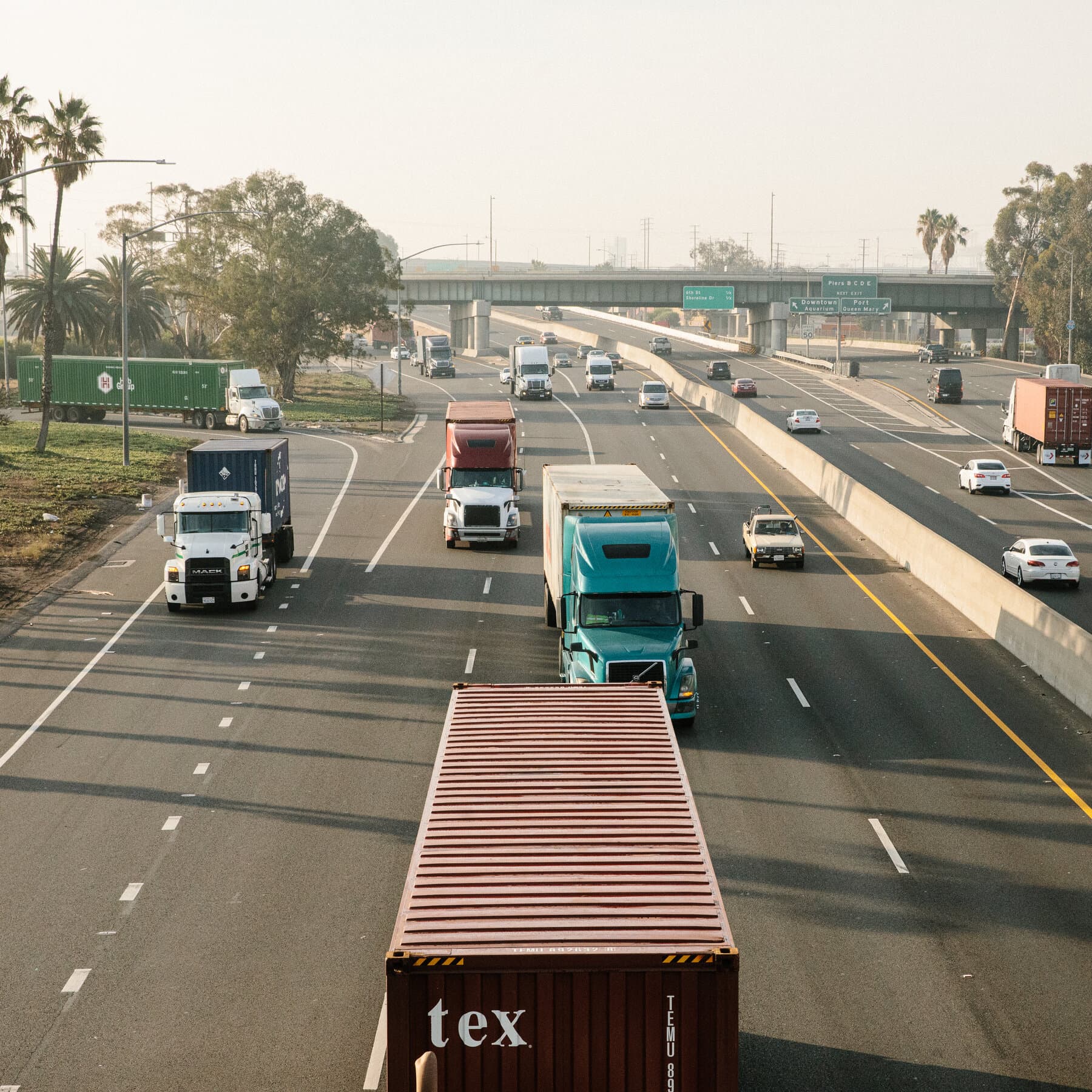
If you rely on trucking, farming, or any industry dependent on diesel, expect higher costs that could impact your daily expenses.
Why it matters
The surge in diesel prices signals broader inflationary pressures that could affect consumer spending and economic stability.
What happened (in 30 seconds)
- U.S. diesel prices reached a record high of $5.85 per gallon on September 4, 2026, driven by geopolitical tensions.
- The conflict involving the U.S., Israel, and Iran has disrupted oil supply chains, particularly through the critical Strait of Hormuz.
- Diesel prices have surged over 55 percent since the onset of the conflict on February 28, 2026, exacerbating costs for businesses and consumers alike.
The context you actually need
- The Strait of Hormuz is vital for global oil transport, with about 20% of the world's oil passing through it.
- Missile strikes and refinery damage in the Middle East have led to significant supply disruptions, tightening diesel markets faster than crude oil benchmarks.
- Refined product prices are outpacing crude, with diesel climbing from a pre-war average of $3.76 per gallon to record highs, impacting various sectors.
What's really happening
The recent spike in U.S. diesel prices is a direct consequence of escalating geopolitical tensions, particularly the ongoing conflict involving the United States, Israel, and Iran. Following the U.S. and Israeli strikes on Iran on February 28, 2026, Tehran retaliated by effectively closing the Strait of Hormuz, a crucial maritime route for oil transport. This closure has led to significant disruptions in oil supply, causing crude benchmarks like Brent to rise approximately 30 percent to around $96 per barrel by early September.
As the conflict continues, the impact on refined products has been even more pronounced. Diesel prices have surged from a pre-war average of $3.76 per gallon to a staggering $5.85 per gallon, marking a 55 percent increase since the war began. This escalation is not merely a reflection of crude oil prices but also highlights the tight refining capacity worldwide, which has been exacerbated by the conflict. With missile strikes damaging Middle Eastern refineries and Ukrainian attacks on Russian facilities leading to export bans, the market has seen a shift from crude to refined product shortages.
The implications of these price increases are far-reaching. Businesses across various sectors, including trucking, agriculture, and homebuilding, are feeling the pinch. Many have begun implementing fuel surcharges to offset rising costs, which could lead to higher prices for consumers. Additionally, the political landscape is shifting, with U.S. political figures attributing the price hikes to Iranian actions while emphasizing administration efforts to stabilize the situation.
Moreover, the record profits reported by U.S. refiners like Marathon and Valero indicate that while consumers face higher prices, some sectors are benefiting from the current market dynamics. Analysts expect prolonged tightness in refined products, even if crude prices ease, which could further complicate the economic landscape as winter approaches, particularly for heating oil consumers in the Northeast U.S.
Who feels it first (and how)
- Truckers: Increased fuel costs lead to higher operational expenses, impacting delivery prices.
- Farmers: Rising diesel prices affect agricultural operations, from planting to harvesting.
- Construction workers: Elevated transportation costs for materials could delay projects and increase prices.
- Consumers: Higher costs for goods and services as businesses pass on fuel surcharges.
- Northeast U.S. residents: Increased heating oil prices ahead of winter could strain household budgets.
What to watch next
- Refinery output levels: Monitoring refinery capacity and output will indicate whether supply can stabilize prices.
- Geopolitical developments: Any shifts in the Iran conflict or U.S. foreign policy could impact oil supply and prices.
- Consumer spending trends: Changes in consumer behavior in response to rising costs will signal broader economic impacts.
Diesel prices have reached a record high of $5.85 per gallon.
Continued geopolitical tensions will keep refined product prices elevated.
The long-term impact on consumer spending and economic growth remains uncertain.
Frequently Asked Questions
- Why it matters?
- The surge in diesel prices signals broader inflationary pressures that could affect consumer spending and economic stability.
- What happened (in 30 seconds)?
- U.S. diesel prices reached a record high of $5.85 per gallon on September 4, 2026, driven by geopolitical tensions. The conflict involving the U.S., Israel, and Iran has disrupted oil supply chains, particularly through the critical Strait of Hormuz. Diesel prices have surged over 55 percent since the onset of the conflict on February 28, 2026, exacerbating costs for businesses and consumers alike.
- What's really happening?
- The recent spike in U.S. diesel prices is a direct consequence of escalating geopolitical tensions, particularly the ongoing conflict involving the United States, Israel, and Iran. Following the U.S. and Israeli strikes on Iran on February 28, 2026, Tehran retaliated by effectively closing the Strait of Hormuz, a crucial maritime route for oil transport. This closure has led to significant disruptions in oil supply, causing crude benchmarks like Brent to rise approximately 30 percent to around $
- Who feels it first (and how)?
- Truckers: Increased fuel costs lead to higher operational expenses, impacting delivery prices. Farmers: Rising diesel prices affect agricultural operations, from planting to harvesting. Construction workers: Elevated transportation costs for materials could delay projects and increase prices. Consumers: Higher costs for goods and services as businesses pass on fuel surcharges. Northeast U.S. residents: Increased heating oil prices ahead of winter could strain household budgets.
- What to watch next?
- Refinery output levels: Monitoring refinery capacity and output will indicate whether supply can stabilize prices. Geopolitical developments: Any shifts in the Iran conflict or U.S. foreign policy could impact oil supply and prices. Consumer spending trends: Changes in consumer behavior in response to rising costs will signal broader economic impacts.
Markets, economy, and company analysis from NYT’s business desk.
"The New York Times is a globally recognized newspaper offering authoritative reporting with a center-left editorial stance."
— A47 Editor
Iran War Helps to Drive U.S. Diesel Prices to New High
The ongoing war in Iran has driven U.S. diesel prices to new highs, surpassing the previous record set in 2022 following Russia's invasion of Ukraine. This surge in diesel costs, which are critical for commercial vehicles including freight trucks, re...
UK and international business news, economics, and corporate coverage.
"The Guardian’s business section covers finance and markets with a progressive editorial tone."
— A47 Editor
‘Astronomical’ fuel price surge hits farmers in UK and US
Farmers in the UK and US are experiencing a significant increase in diesel prices, which have surged by 10% in less than a week, primarily due to escalating tensions in the Middle East and an extended Russian export ban on diesel. This situation has ...
News from the United States including domestic politics, society, and culture.
"The Guardian is known for its progressive editorial stance and in-depth analysis, often advocating for social justice, environmental issues, and liberal values."
— A47 Editor
‘Astronomical’ fuel price surge hits farmers in UK and US
Farmers in the UK and US are experiencing a significant increase in diesel prices, which have surged by 10% in less than a week, primarily due to escalating tensions in the Middle East and an extended Russian export ban on diesel. This situation has ...
News and current affairs from across Europe.
"The Guardian is known for its progressive editorial stance and in-depth analysis."
— A47 Editor
‘Astronomical’ fuel price surge hits farmers in UK and US
Farmers in the UK and US are experiencing a significant increase in diesel prices, which have surged by 10% in less than a week, primarily due to escalating tensions in the Middle East and an extended Russian export ban on diesel. This situation has ...
Reporting on emerging tech including AI.
"Magazine covering AI’s business and social impacts."
— A47 Editor
Agriculture relies on fossil fuels. It’s costing us.
Rising fossil fuel prices, driven by escalating military tensions in the Middle East, particularly involving Iran, have significantly impacted agriculture, with farmers facing soaring fertilizer costs. This situation highlights the interconnectedness...