
Gold Prices Decline Amid Rising Oil Costs and Strong US Economic Data
Why it matters
Gold prices are closely tied to inflation expectations and interest rates, making them a barometer for economic stability.
What happened (in 30 seconds)
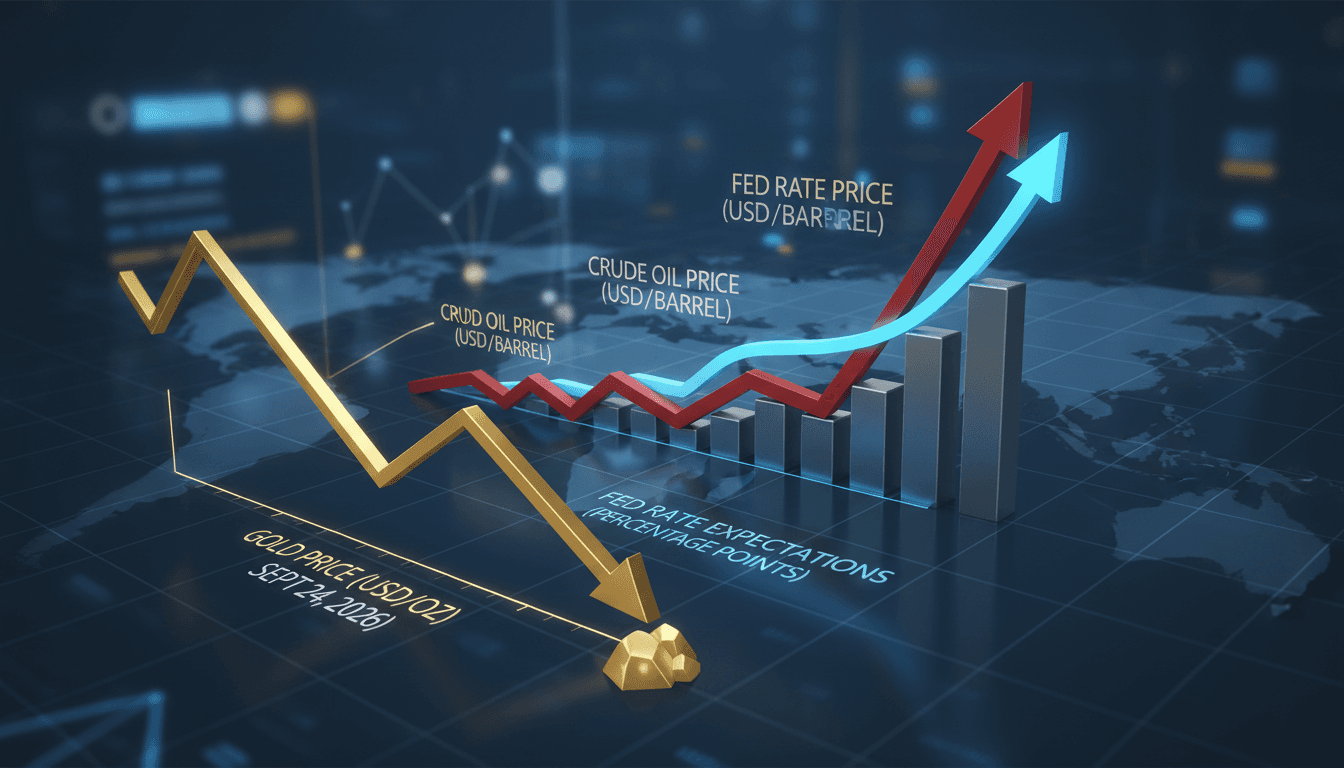
- Gold prices fell to around $4,290 per ounce on September 24, 2026, following a 1.7% drop the previous session.
- Higher oil prices and robust US economic data increased speculation about further Federal Reserve interest rate hikes.
- Geopolitical tensions in the Middle East, particularly involving Iran, contributed to rising energy costs, influencing market sentiment.
The context you actually need
- Geopolitical tensions in the Middle East, especially Iranian statements regarding nuclear enrichment, have historically affected oil prices and, by extension, gold.
- US economic indicators have shown persistent inflation risks, prompting market participants to adjust their expectations for Federal Reserve policy.
- Gold is a non-yielding asset, meaning its appeal diminishes when interest rates rise, as investors seek higher returns elsewhere.
What's really happening
As of late September 2026, gold prices are experiencing downward pressure, trading near $4,290 per ounce after a notable decline. This situation is primarily driven by two interlinked factors: rising oil prices and strong US economic data. The recent surge in oil prices can be traced back to geopolitical tensions, particularly statements from Iranian President Masoud Pezeshkian regarding nuclear enrichment and navigation rights in the Strait of Hormuz. These developments have raised concerns about energy supply stability, which in turn has implications for inflation.
The Federal Reserve's monetary policy is heavily influenced by inflation expectations. Recent US economic data has shown stronger-than-expected growth, reinforcing fears of persistent inflation. As a result, market participants are increasingly pricing in the likelihood of additional interest rate hikes by the Federal Reserve. This creates a challenging environment for gold, which does not yield interest or dividends. When interest rates rise, the opportunity cost of holding gold increases, leading to reduced demand for the precious metal.
Moreover, the interplay between oil prices and gold is significant. Higher oil prices can lead to increased inflation, which typically supports gold prices as a hedge against currency devaluation. However, if the Federal Reserve responds to rising inflation by increasing interest rates, it can negate the inflationary support for gold. This creates a complex dynamic where gold's traditional role as a safe haven is challenged by the realities of monetary policy and economic growth.
In Dubai, a major hub for gold trading and refining, these developments have direct implications. Elevated oil prices may bolster regional energy revenues, but they also pose challenges for gold import/export margins amid global rate-hike expectations. Residents and investors in Dubai may experience moderated demand for gold as a safe haven, impacting local market dynamics.
Who feels it first (and how)
- Investors in gold: They may see reduced demand and lower prices affecting their portfolios.
- Commodity traders: Those trading in oil and gold will need to adjust strategies based on fluctuating prices.
- Middle Eastern economies: Countries reliant on oil revenues may benefit from higher prices but face challenges in gold market dynamics.
- Consumers: Individuals purchasing gold jewelry or investment products may face higher prices or reduced availability.
What to watch next
- Federal Reserve announcements: Any signals regarding interest rate hikes will be crucial for gold prices.
- US economic data releases: Continued strong economic indicators could reinforce rate-hike expectations, impacting gold negatively.
- Geopolitical developments: Ongoing tensions in the Middle East could further influence oil prices and, by extension, gold.
Gold prices are currently under pressure due to rising oil prices and strong US economic data.
The Federal Reserve will continue to adjust its policy based on inflation data, impacting gold demand.
The long-term effects of geopolitical tensions on oil and gold prices remain uncertain.
Frequently Asked Questions
- Why it matters?
- Gold prices are closely tied to inflation expectations and interest rates, making them a barometer for economic stability.
- What happened (in 30 seconds)?
- Gold prices fell to around $4,290 per ounce on September 24, 2026, following a 1.7% drop the previous session. Higher oil prices and robust US economic data increased speculation about further Federal Reserve interest rate hikes. Geopolitical tensions in the Middle East, particularly involving Iran, contributed to rising energy costs, influencing market sentiment.
- What's really happening?
- As of late September 2026, gold prices are experiencing downward pressure, trading near $4,290 per ounce after a notable decline. This situation is primarily driven by two interlinked factors: rising oil prices and strong US economic data. The recent surge in oil prices can be traced back to geopolitical tensions, particularly statements from Iranian President Masoud Pezeshkian regarding nuclear enrichment and navigation rights in the Strait of Hormuz. These developments have raised concerns abo
- Who feels it first (and how)?
- Investors in gold: They may see reduced demand and lower prices affecting their portfolios. Commodity traders: Those trading in oil and gold will need to adjust strategies based on fluctuating prices. Middle Eastern economies: Countries reliant on oil revenues may benefit from higher prices but face challenges in gold market dynamics. Consumers: Individuals purchasing gold jewelry or investment products may face higher prices or reduced availability.
- What to watch next?
- Federal Reserve announcements: Any signals regarding interest rate hikes will be crucial for gold prices. US economic data releases: Continued strong economic indicators could reinforce rate-hike expectations, impacting gold negatively. Geopolitical developments: Ongoing tensions in the Middle East could further influence oil prices and, by extension, gold.
Global markets, investing, and macroeconomics from a premier financial newsroom.
"Bloomberg is respected for in-depth financial reporting and data-driven analysis."
— A47 Editor
Gold Holds Drop as Higher Oil and Hot US Data Fan Rate-Hike Bets
Gold prices have experienced a decline as rising energy prices and stronger-than-expected U.S. economic data have fueled speculation that the Federal Reserve may increase interest rates to combat inflation. This trend reflects ongoing market volatili...
English-language digital publication covering business, politics, technology, and current affairs.
"The Arabian Post mixes original and syndicated-style coverage with a broad regional and global business-news orientation."
— A47 Editor
Gold advances as oil retreat eases rate pressure
Gold prices increased on Tuesday as declining crude oil prices alleviated inflation concerns, leading to reduced expectations for further interest rate hikes by the US Federal Reserve. Spot gold traded around $4,360 an ounce, recovering from a signif...
Oil, metals, and agriculture: supply/demand headlines, OPEC chatter, inventories, and price action.
"Solid tape for energy and metals traders tracking macro and micro catalysts."
— A47 Editor
Gold slips as dollar firms on Fed rate hike bets, losses capped by slide in oil
Gold prices have slipped as the U.S. dollar has strengthened amid rising expectations for an interest rate hike by the Federal Reserve, with losses moderated by a decline in oil prices. This situation reflects ongoing volatility in the markets as inv...