
Middle East oil exports recover as U.S. naval presence boosts confidence amid ongoing Iran conflict
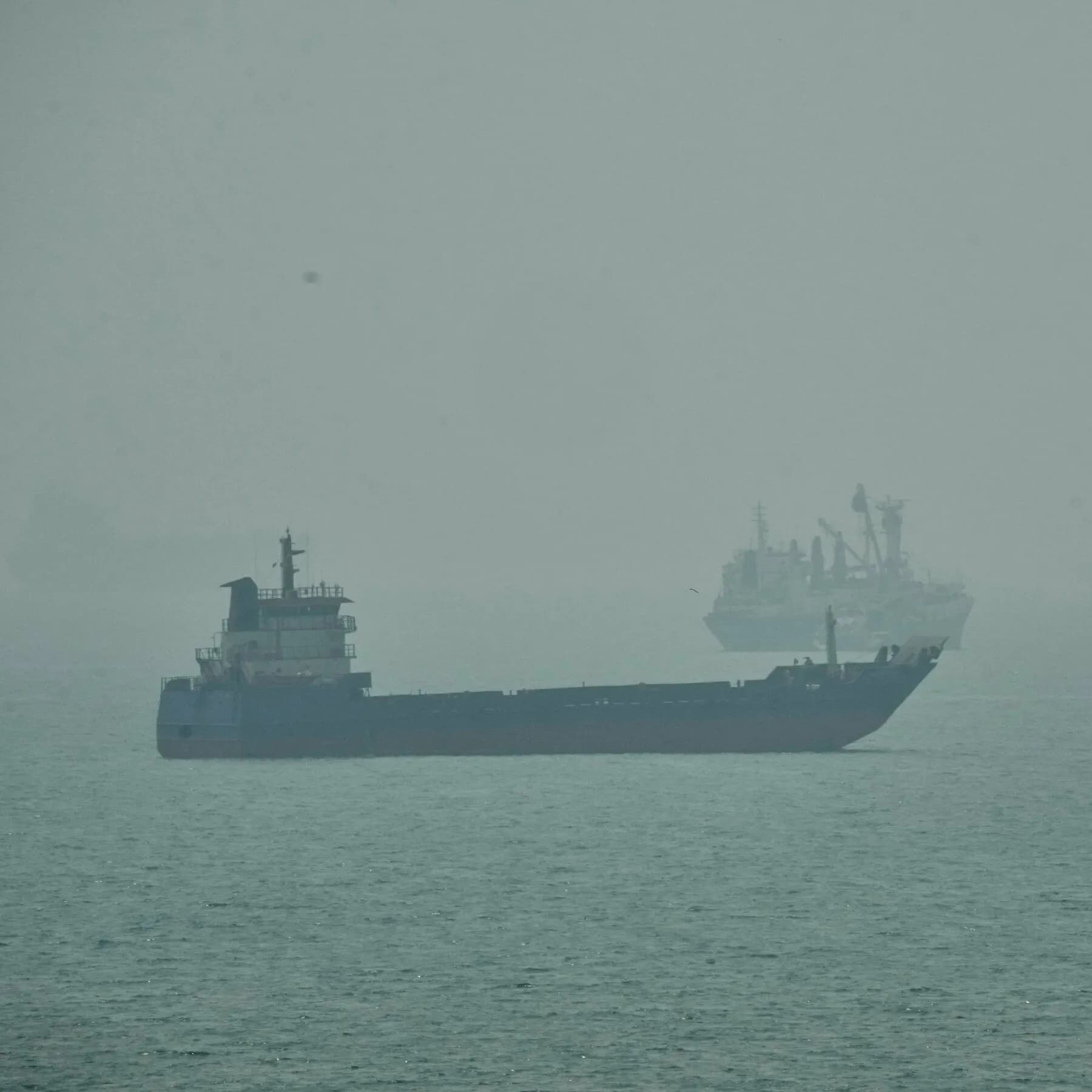
What happened
Middle East oil exports sharply increased in September 2026, nearing pre-war levels despite ongoing regional conflicts.
The Context
- Increased tanker traffic: U.S. naval protection and improved shipper confidence have led to a resurgence in oil flows through the Strait of Hormuz.
- Ongoing conflict: The Iran conflict, which began in February 2026, has disrupted supply but exporters have adapted by rerouting shipments.
- Price implications: Despite the rebound, global oil supply remains insufficient to meet demand, keeping prices elevated.
The Number
— This is the average daily oil transit through the Strait of Hormuz in September 2026, highlighting the region's critical role in global energy supply.
Takeaway
As Middle Eastern oil exports recover, expect continued volatility in global oil prices and potential impacts on transportation costs.
Markets, economy, and company analysis from NYT’s business desk.
"The New York Times is a globally recognized newspaper offering authoritative reporting with a center-left editorial stance."
— A47 Editor
Mideast Oil Exports Rebound Even as Prices Remain Elevated
Oil exports from the Middle East have seen a rebound as more tankers navigate the Strait of Hormuz, reflecting increased confidence among shippers despite elevated global oil prices. This uptick in shipping activity comes amid ongoing supply concerns...
Regional coverage and analysis focused on politics, diplomacy, and business across the Middle East.
"Al-Monitor is known for analytical reporting on Middle East politics and policy developments."
— A47 Editor
As Iran’s grip on Hormuz weakens, what leverage does Tehran have left?
Six months into the ongoing conflict, Iran's influence over the Strait of Hormuz is diminishing, as global oil flows begin to stabilize and alternative shipping routes are developed. Tehran's efforts to maintain pressure on this critical waterway are...
Global political, business, and cultural coverage from WSJ international desks.
"The Wall Street Journal offers extensive international reporting with a reputation for financial insight and a center-right editorial stance."
— A47 Editor
Middle East Oil Exports Rebound as Iran’s Chokehold on Hormuz Breaks Down
Middle East oil exports have rebounded as Iran's influence over the Strait of Hormuz diminishes, attributed to enhanced defensive measures by the U.S. Navy and Gulf oil producers, which have improved tanker passage through this critical waterway.