
UAE Fuel Prices Reach Four-Year High Amid Global Oil Market Pressures
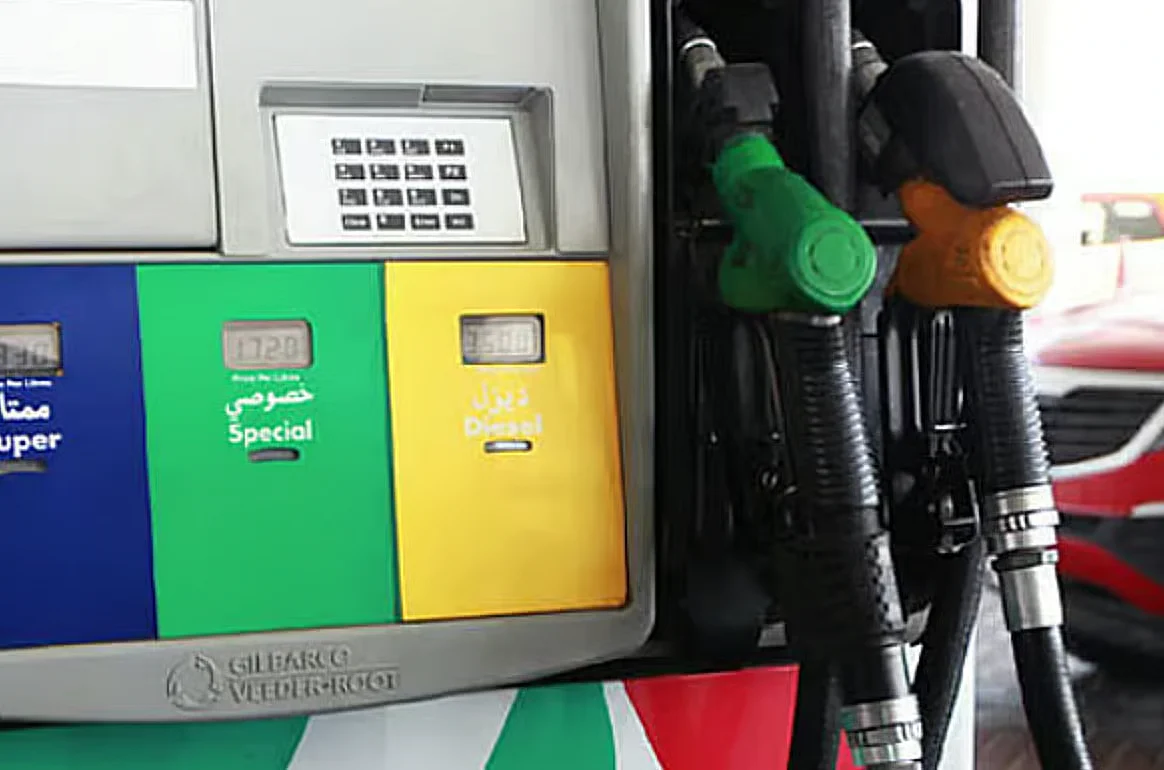
Why it matters
The increase in fuel prices reflects broader geopolitical tensions that can affect economic stability and consumer spending.
What happened (in 30 seconds)
- Fuel prices in the UAE rose above Dh4 per litre effective October 1, 2026, marking a four-year high.
- The UAE Fuel Price Committee announced a 16% increase across all fuel grades, with Super 98 now priced at Dh4.40 per litre.
- This price adjustment is linked to rising global crude oil prices due to ongoing tensions in the Middle East, particularly between the US and Iran.
The context you actually need
- Global oil prices surged in September 2026, with Brent crude trading around or above $100 per barrel, influenced by geopolitical instability.
- The UAE Fuel Price Committee adjusts prices monthly based on international benchmarks, reflecting fluctuations in global oil markets.
- This is the first time fuel prices have crossed the Dh4 threshold since 2022, indicating sustained pressure on the UAE's energy market.
What's really happening
The recent spike in UAE fuel prices is a direct consequence of escalating geopolitical tensions in the Middle East, particularly the renewed hostilities between the US and Iran. Following the expiration of a 60-day ceasefire agreement, rhetoric surrounding the Strait of Hormuz has intensified, leading to increased uncertainty in oil supply chains. As a result, Brent crude prices have surged, reaching levels around $100 per barrel, with peaks near $107. This volatility has a cascading effect on fuel prices in the UAE, which are adjusted monthly by the UAE Fuel Price Committee based on these international benchmarks.
The committee's decision to raise prices by approximately 16% reflects a broader trend of rising costs that have accumulated over the past several months. Since February 2026, cumulative increases have exceeded 60%, driven by sustained pressures in the oil market. The new rates, effective from October 1, apply uniformly across all emirates, impacting consumers and businesses alike.
For residents, this means higher operating costs for vehicles. For instance, filling a typical 62-litre sedan tank with Special 95 will now cost approximately Dh265.36, an increase of about Dh36.58. This rise in fuel prices is likely to have secondary effects on public transport fares and logistics costs, further contributing to inflationary pressures in the economy.
Despite these increases, no immediate governmental interventions or subsidies have been announced to mitigate the impact on consumers. Market analysts are closely monitoring the situation, as sustained high energy costs could influence inflation rates and potentially lead to considerations by the Federal Reserve regarding interest rates. Fuel retailers have implemented the revised prices without reported disruptions, indicating a stable market response to the changes.
Who feels it first (and how)
- Commuters: Increased fuel costs directly affect daily transportation expenses.
- Logistics companies: Higher fuel prices can lead to increased delivery costs, impacting pricing for goods.
- Public transport users: Potential fare hikes may occur as operators adjust to rising operational costs.
- Low to middle-income households: These groups may feel the pinch more acutely as a larger portion of their budget goes toward fuel and transportation.
What to watch next
- Global oil price trends: Continued fluctuations in crude oil prices will directly influence future fuel price adjustments in the UAE.
- Inflation rates: Monitor how rising fuel costs impact overall inflation and consumer spending in the UAE economy.
- Government response: Watch for any potential interventions or subsidies from the UAE government to alleviate the burden on consumers.
Fuel prices have risen above Dh4 per litre for the first time since 2022.
Continued geopolitical tensions will keep oil prices volatile, affecting future fuel price adjustments.
The extent to which the UAE government may intervene to mitigate the impact of rising fuel costs on consumers.
Frequently Asked Questions
- Why it matters?
- The increase in fuel prices reflects broader geopolitical tensions that can affect economic stability and consumer spending.
- What happened (in 30 seconds)?
- Fuel prices in the UAE rose above Dh4 per litre effective October 1, 2026, marking a four-year high. The UAE Fuel Price Committee announced a 16% increase across all fuel grades, with Super 98 now priced at Dh4.40 per litre. This price adjustment is linked to rising global crude oil prices due to ongoing tensions in the Middle East, particularly between the US and Iran.
- What's really happening?
- The recent spike in UAE fuel prices is a direct consequence of escalating geopolitical tensions in the Middle East, particularly the renewed hostilities between the US and Iran. Following the expiration of a 60-day ceasefire agreement, rhetoric surrounding the Strait of Hormuz has intensified, leading to increased uncertainty in oil supply chains. As a result, Brent crude prices have surged, reaching levels around $100 per barrel, with peaks near $107. This volatility has a cascading effect on f
- Who feels it first (and how)?
- Commuters: Increased fuel costs directly affect daily transportation expenses. Logistics companies: Higher fuel prices can lead to increased delivery costs, impacting pricing for goods. Public transport users: Potential fare hikes may occur as operators adjust to rising operational costs. Low to middle-income households: These groups may feel the pinch more acutely as a larger portion of their budget goes toward fuel and transportation.
- What to watch next?
- Global oil price trends: Continued fluctuations in crude oil prices will directly influence future fuel price adjustments in the UAE. Inflation rates: Monitor how rising fuel costs impact overall inflation and consumer spending in the UAE economy. Government response: Watch for any potential interventions or subsidies from the UAE government to alleviate the burden on consumers.
Jordanian news and regional updates.
"Roya News is a Jordanian outlet focused on breaking news and local affairs."
— A47 Editor
الإمارات ترفع أسعار المحروقات.. 16% للبنزين و11% للديزل
The Fuel Price Monitoring Committee in the United Arab Emirates has announced an increase in fuel prices, with gasoline rising by 16% and diesel by 11%. This decision reflects ongoing adjustments in the energy sector within the country.
Breaking news and analysis from the UAE and Gulf region.
"Khaleej Times is a long-running UAE publication with broad regional coverage."
— A47 Editor
UAE petrol prices jump 16%: Residents plan Dubai Metro trips, fewer office days
Petrol prices in the UAE have surged by 16%, prompting residents to consider alternative transportation options such as the Dubai Metro and to reduce their office attendance. This increase reflects ongoing economic pressures affecting consumers in th...
Sports reporting with a focus on Saudi and regional competitions.
"Okaz sports coverage is broad and audience-friendly, with strong attention to Saudi teams and leagues."
— A47 Editor
الإمارات: رفع أسعار الوقود بنسب تصل إلى 16.6%
The United Arab Emirates has announced an increase in fuel prices for October 2026, with rates rising between 11.6% and 16.6%. The price of Super 98 gasoline will rise from $1.03 (3.80 AED) per liter in September to $1.20 (4.40 AED) in October, marki...
Breaking news and analysis from the UAE and Gulf region.
"Khaleej Times is a long-running UAE publication with broad regional coverage."
— A47 Editor
UAE fuel prices rise above Dh4 per litre, surpass 4-year high for October 2026
Fuel prices in the UAE have risen above Dh4 per litre, marking a four-year high for October 2026, as reported by Khaleej Times. This increase reflects ongoing economic pressures and fluctuating global oil prices, impacting consumers across the region...
UAE-based English-language newspaper covering regional politics, economics, and global affairs.
"The National reflects Emirati policy perspectives while maintaining international editorial standards."
— A47 Editor
UAE petrol prices to rise by about 16% in October
Petrol prices in the United Arab Emirates are set to increase by approximately 16% in October, marking a significant rise that will impact consumers and businesses alike. This adjustment comes amid ongoing economic pressures and fluctuating global oi...