
Gulf oil exports recover to 94% of normal levels through Hormuz Shuttle model
Why it matters
The recovery of Gulf oil exports is crucial for global energy markets, affecting supply chains and pricing structures worldwide.
What happened (in 30 seconds)
- Gulf oil exports rebounded to approximately 94% of normal levels by late September 2026, according to Al Watan.
- ADNOC's 'Hormuz Shuttle' model facilitated this recovery through ship-to-ship transfers, adopted by Saudi Aramco and Kuwaiti entities.
- Brent crude prices stabilized near $96 per barrel, reflecting a partial normalization of the market.
The context you actually need
- US-Iran conflict: The conflict that began in February 2026 severely disrupted tanker traffic through the Strait of Hormuz, leading to a significant drop in Gulf oil exports.
- Adaptive shipping model: ADNOC's innovative shipping model allowed for flexibility in oil transport, mitigating the impact of geopolitical tensions.
- Refined products lag: While crude oil exports have recovered, refined product exports remain at only 50-58% of prior levels, indicating ongoing supply constraints.
What's really happening
The Gulf oil export recovery is a direct response to the geopolitical disruptions caused by the US-Iran conflict, which began in February 2026. This conflict led to a dramatic decline in oil exports, plummeting to lows of 5-6 million barrels per day in March and 15-16 million bpd by late August. In response, oil producers in the region, including Saudi Arabia and the UAE, had to adapt quickly to maintain their export levels.
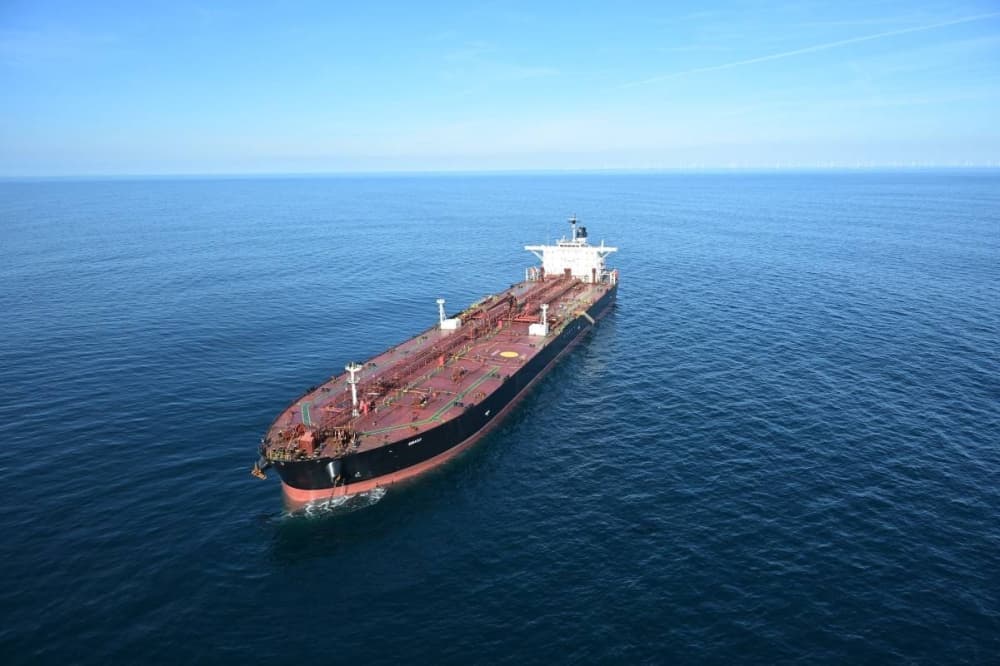
ADNOC pioneered the 'Hormuz Shuttle' model in May 2026, which involved using Very Large Crude Carriers (VLCCs) for initial loading followed by ship-to-ship transfers in the Gulf of Oman. This innovative approach allowed for the rerouting of oil shipments away from the conflict zone, effectively bypassing the disruptions in the Strait of Hormuz. By September, this model had been adopted by Saudi Aramco and Kuwaiti oil companies, leading to a total of 116 tankers involved in the operation, including 23 from Bahri, the National Shipping Company of Saudi Arabia.
Analyst Alexander Stahl from Burggraben Research reported that by September 30, Gulf oil exports had recovered to 94% of baseline levels, with Goldman Sachs noting that exports reached 23.3 million bpd, matching 2025 averages. Crude oil accounted for 90% of this rebound, highlighting the resilience of the crude market despite the challenges faced.
However, the recovery is not uniform across all oil products. Refined product exports, such as diesel and gasoline, have only recovered to about 50-58% of their previous levels, according to analyses from JPMorgan and Goldman Sachs. This discrepancy indicates that while crude oil flows have stabilized, the market for refined products remains constrained, which could lead to higher prices for consumers.
The operational costs associated with the new shipping model, including higher tanker insurance and logistical expenses, may also contribute to elevated energy costs in the region. As a result, while the recovery of Gulf oil exports is a positive development for global energy markets, it comes with trade-offs that could affect pricing and availability of refined products.
Who feels it first (and how)
- Oil producers: Companies like ADNOC and Saudi Aramco benefit from increased export levels and revenue.
- Shipping companies: Firms involved in the 'Hormuz Shuttle' model gain from increased shipping activity and demand.
- Consumers: Individuals and businesses may face fluctuating energy prices due to the recovery dynamics in crude versus refined products.
- Regional economies: Countries reliant on oil exports for economic stability will see improved conditions, but may also face higher logistics costs.
What to watch next
- Refined product export recovery: Monitor the recovery rates of refined products, as this will impact consumer prices and market stability.
- Geopolitical developments: Keep an eye on US-Iran relations, as any escalation could disrupt the current recovery trajectory.
- Oil price fluctuations: Watch Brent crude prices for signs of volatility, which could indicate shifts in supply-demand dynamics.
Gulf oil exports have recovered to approximately 94% of normal levels.
Continued adaptation of shipping models will influence future export levels and operational costs.
The long-term impact of geopolitical tensions on oil supply chains remains uncertain.
Frequently Asked Questions
- Why it matters?
- The recovery of Gulf oil exports is crucial for global energy markets, affecting supply chains and pricing structures worldwide.
- What happened (in 30 seconds)?
- Gulf oil exports rebounded to approximately 94% of normal levels by late September 2026, according to Al Watan. ADNOC's 'Hormuz Shuttle' model facilitated this recovery through ship-to-ship transfers, adopted by Saudi Aramco and Kuwaiti entities. Brent crude prices stabilized near $96 per barrel, reflecting a partial normalization of the market.
- What's really happening?
- The Gulf oil export recovery is a direct response to the geopolitical disruptions caused by the US-Iran conflict, which began in February 2026. This conflict led to a dramatic decline in oil exports, plummeting to lows of 5-6 million barrels per day in March and 15-16 million bpd by late August. In response, oil producers in the region, including Saudi Arabia and the UAE, had to adapt quickly to maintain their export levels. ADNOC pioneered the 'Hormuz Shuttle' model in May 2026, which involve
- Who feels it first (and how)?
- Oil producers: Companies like ADNOC and Saudi Aramco benefit from increased export levels and revenue. Shipping companies: Firms involved in the 'Hormuz Shuttle' model gain from increased shipping activity and demand. Consumers: Individuals and businesses may face fluctuating energy prices due to the recovery dynamics in crude versus refined products. Regional economies: Countries reliant on oil exports for economic stability will see improved conditions, but may also face higher logistics
- What to watch next?
- Refined product export recovery: Monitor the recovery rates of refined products, as this will impact consumer prices and market stability. Geopolitical developments: Keep an eye on US-Iran relations, as any escalation could disrupt the current recovery trajectory. Oil price fluctuations: Watch Brent crude prices for signs of volatility, which could indicate shifts in supply-demand dynamics.
Culture, society, and public-interest stories for Arabic-speaking readers.
"This Al Watan feed appears section-specific, and the label is kept broad enough to avoid overclaiming the exact mapping."
— A47 Editor
تقديرات بتعافي صادرات النفط الخليجية إلى 94%
Gulf oil exports have recovered to approximately 94% of their normal levels, driven by a flexible maritime transport arrangement known as the 'Hormuz Shuttle,' which facilitates the transfer of crude oil between tankers in the Gulf of Oman. This mode...
Sports reporting with a focus on Saudi and regional competitions.
"Okaz sports coverage is broad and audience-friendly, with strong attention to Saudi teams and leagues."
— A47 Editor
صادرات الشرق الأوسط النفطية تسجل أعلى مستوى في نصف عام
Oil exports from the Middle East have reached their highest levels since the onset of the U.S.-Iran crisis in February, with September figures showing a significant increase supported by improved flows through the Strait of Hormuz, according to Keple...
Sports reporting with a focus on Saudi and regional competitions.
"Okaz sports coverage is broad and audience-friendly, with strong attention to Saudi teams and leagues."
— A47 Editor
السعودية تستأنف تصدير النفط عبر خط أنابيب «شرق-غرب»
Saudi Arabia has resumed oil exports through the East-West pipeline, as reported by Bloomberg. This decision comes amid ongoing geopolitical tensions, highlighting the operational flexibility of Saudi Aramco in maintaining supply chains.