
Federal Reserve Holds Benchmark Rates Steady as Inflation Reaches 3.7 Percent Ahead of 2026 Midterms
Why it matters
A central bank pause directly before a major national election preserves institutional neutrality while deferring the monetary tightening needed to pull core price pressures back to 2%.
What happened (in 30 seconds)
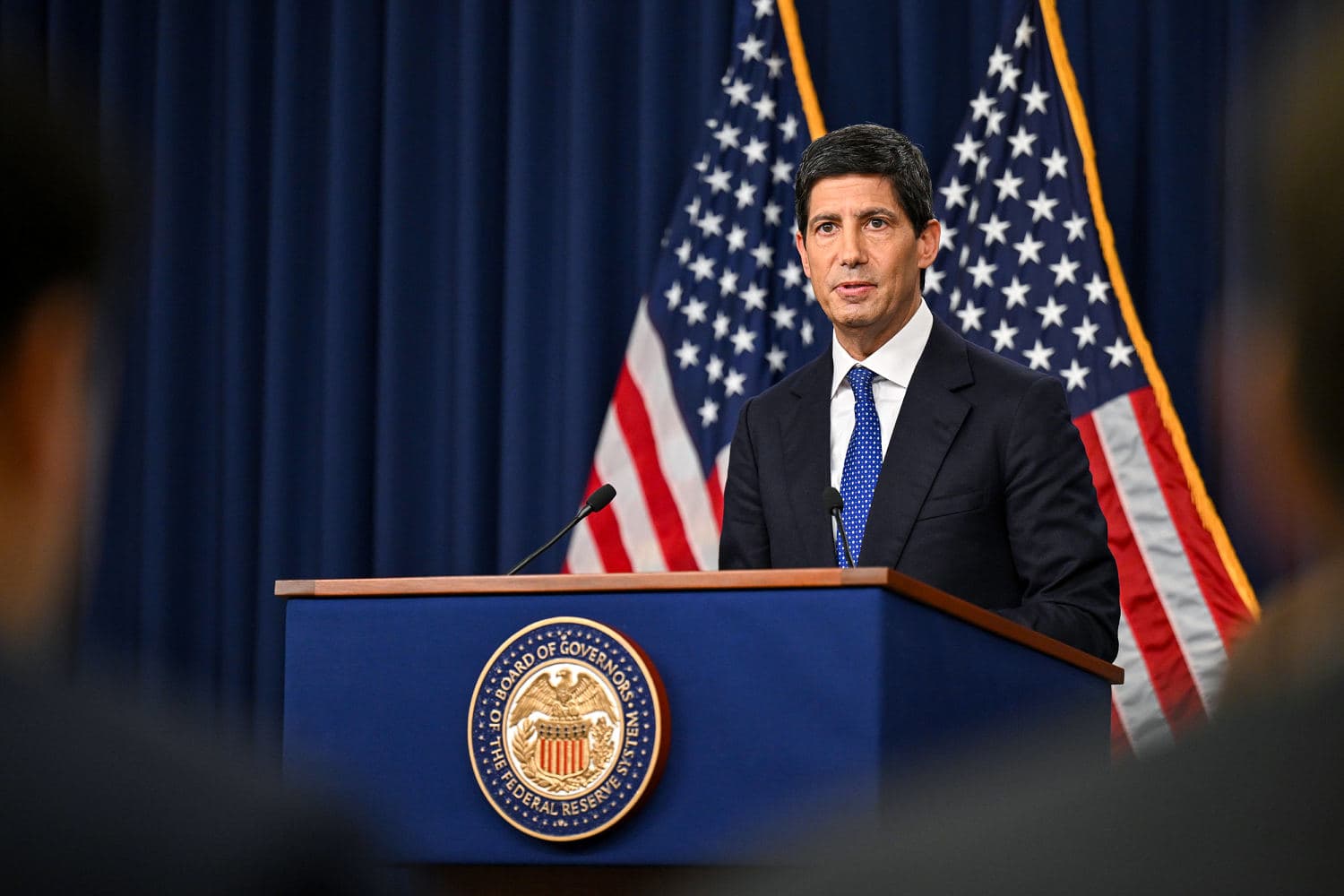
- The policy hold: The Federal Open Market Committee (FOMC), led by Chair Kevin Warsh, is widely anticipated to maintain benchmark borrowing costs at current levels during its late October 2026 meeting.
- The inflation reality: Consumer prices rose to an annual rate of 3.7% in September 2026, marking a 0.3 percentage point acceleration from August despite a 25-basis-point rate hike implemented the previous month.
- The election proximity: With the meeting concluding days ahead of the November 3, 2026 midterm elections, policymakers chose to prioritize data assessment over an immediate back-to-back rate increase.
The context you actually need
- The mandate versus the calendar: The Federal Reserve operates under a statutory dual mandate of maximum employment and stable prices, yet acting on benchmark rates days before a national ballot risks external accusations of political interference.
- The price drivers: Voter sensitivity to rising living expenses centers on housing and energy markets, which market participants tie to broader trade tariffs and international military conflict involving Iran under the Donald Trump administration.
- The official posture: Federal Reserve governors, including Michelle Bowman and Mary Daly, have signaled that the central bank possesses sufficient operational runway to evaluate financial conditions before initiating further rate tightening.
What's really happening
The Federal Reserve’s anticipated decision to skip a rate hike at its October 27–30, 2026 meeting reflects institutional self-preservation and monetary mechanics rather than economic satisfaction.
The baseline macroeconomic numbers argue for tightening. Annual consumer inflation accelerated by 0.3 percentage points to 3.7% in September, moving further away from the Fed’s stated 2.0% annual target. Coming immediately after a quarter-point rate increase in September, conventional monetary tightening models would suggest continuous incremental pressure on credit markets to prevent price expectations from becoming unanchored. Financial analysts, notably from Deutsche Bank, have highlighted that the data alone makes a compelling case against skipping an adjustment.
Instead, the incentive structure governing central bank independence overrides immediate data optimization. Meeting less than a week before the November 3, 2026 midterm elections, the FOMC faces asymmetric reputational downside. Any rate increase announced at this juncture would immediately be framed by market participants and political figures as a deliberate intervention in voting behavior. Elevated borrowing costs cool economic activity by raising mortgage rates, corporate debt servicing costs, and consumer credit lines. Introducing those tightened financial conditions within days of an election creates substantial institutional friction.
Federal Reserve officials Michelle Bowman and Mary Daly have constructed the intellectual architecture for this pause around the principle of policy latency. Monetary policy functions with documented temporal lags; the 25-basis-point increase enacted in September has not yet fully transmitted through balance sheets, real estate pipelines, or business expenditure cycles. Central bank officials are using this transmission gap to justify a posture of deliberate observation.
Simultaneously, the political cost of persistent inflation is shifting to the executive branch. White House National Economic Council Director Kevin Hassett and the broader Trump administration face high voter dissatisfaction regarding cost-of-living increases, driven primarily by household energy and housing burdens. Because these specific cost pressures stem substantially from structural inputs—including global trade tariffs and regional hostilities in Iran—monetary policy remains a blunt, imperfect corrective tool. A central bank rate hike cannot ease supply chain disruptions caused by tariffs or offset energy shocks stemming from foreign conflict. By holding rates steady, the central bank avoids absorbing blame for economic tightening while leaving structural price dynamics squarely in the political sphere.
Who feels it first (and how)
- Corporate treasury departments: Finance teams managing floating-rate debt escape an immediate rise in interest expense, but they must plan around an extended period of restrictive yields given the 3.7% inflation floor.
- U.S. mortgage and real estate markets: Prospective home buyers and residential developers face a continued standoff, as secondary mortgage rates remain anchored high without near-term relief from central bank easing.
- Energy and import-heavy commercial sectors: Businesses dependent on imported goods and volatile fuel inputs absorb direct margin pressure from current tariffs and geopolitical conflict without monetary policy altering their pricing realities.
- International financial hubs (including Dubai): Global operators navigating cross-border trade experience a firm U.S. dollar and elevated baseline capital rates, indirectly constraining dollar-pegged property, asset refinancing, and tourism financing costs.
What to watch next
- Post-election FOMC communications: Watch the statements following the November 3, 2026 election, which will signal whether the pause was primarily tactical or an indication of a broader terminal rate plateau.
- October 2026 inflation readings: Consumer price indexes released in mid-November will confirm whether the rise to 3.7% was a transient bump or an entrenched upward trend requiring aggressive winter rate adjustments.
- Tariff and geopolitical price transmission: Monitor energy price indices and trade volume metrics for quantifiable evidence that global trade levies and the Iran conflict are continuing to block the path back to 2.0% inflation.
The U.S. annual inflation rate rose to 3.7% in September 2026; the FOMC enacted a 25-basis-point rate increase in September; benchmark interest rates are expected to remain unchanged during the late October policy meeting.
The central bank will maintain its restrictive monetary posture well into 2027, as current inflation remains nearly double its 2.0% mandate.
Whether persistent inflation driven by foreign policy developments, tariffs, and energy volatility will compel the Federal Reserve to implement an aggressive round of rate hikes in December 2026.
Frequently Asked Questions
- Why it matters?
- A central bank pause directly before a major national election preserves institutional neutrality while deferring the monetary tightening needed to pull core price pressures back to 2%.
- What happened (in 30 seconds)?
- The policy hold: The Federal Open Market Committee (FOMC), led by Chair Kevin Warsh, is widely anticipated to maintain benchmark borrowing costs at current levels during its late October 2026 meeting. The inflation reality: Consumer prices rose to an annual rate of 3.7% in September 2026, marking a 0.3 percentage point acceleration from August despite a 25-basis-point rate hike implemented the previous month. The election proximity: With the meeting concluding days ahead of the November 3, 2026
- What's really happening?
- The Federal Reserve’s anticipated decision to skip a rate hike at its October 27–30, 2026 meeting reflects institutional self-preservation and monetary mechanics rather than economic satisfaction. The baseline macroeconomic numbers argue for tightening. Annual consumer inflation accelerated by 0.3 percentage points to 3.7% in September, moving further away from the Fed’s stated 2.0% annual target. Coming immediately after a quarter-point rate increase in September, conventional monetary tighte
- Who feels it first (and how)?
- Corporate treasury departments: Finance teams managing floating-rate debt escape an immediate rise in interest expense, but they must plan around an extended period of restrictive yields given the 3.7% inflation floor. U.S. mortgage and real estate markets: Prospective home buyers and residential developers face a continued standoff, as secondary mortgage rates remain anchored high without near-term relief from central bank easing. Energy and import-heavy commercial sectors: Businesses dependent
- What to watch next?
- Post-election FOMC communications: Watch the statements following the November 3, 2026 election, which will signal whether the pause was primarily tactical or an indication of a broader terminal rate plateau. October 2026 inflation readings: Consumer price indexes released in mid-November will confirm whether the rise to 3.7% was a transient bump or an entrenched upward trend requiring aggressive winter rate adjustments. Tariff and geopolitical price transmission: Monitor energy price indices an
Markets desk coverage, trading insights, and investor updates.
"WSJ’s markets reporting provides in-depth analysis and context for investors."
— A47 Editor
U.S. Stocks Up, Treasury Yields Mixed After Fed Hold
The Federal Reserve held its benchmark federal funds rate steady in a range of 3.75% to 4% at its October 28, 2026 policy decision, a move widely expected by markets, as U.S. stocks edged up slightly and Treasury yields moved in mixed directions afte...
Right-of-center views on political news.
"The Washington Times is a conservative-leaning newspaper known for its political coverage and advocacy of right-of-center viewpoints."
— A47 Editor
Fed holds interest rates steady before Election Day, though December hike possible
The Federal Reserve left interest rates unchanged on Wednesday, declining to raise them days before the midterm elections, a period in which inflation and affordability have become central voter concerns. The Washington Times reports that the decisio...
Coverage of national news and events from across the United States.
"HuffPost is known for its progressive editorial stance, offering opinionated yet comprehensive coverage on social, political, and cultural topics."
— A47 Editor
U.S. Stocks Hold Steady As The Countdown Ticks To A Federal Reserve Decision On Interest Rates
U.S. stocks held steady on Wednesday as investors awaited the Federal Reserve's decision on interest rates, the central bank's last policy decision before the midterm elections. The Fed voted 10-2 to keep its benchmark rate at 3.75% to 4%, even as in...
Canadian-focused personal finance and money coverage with some global context.
"Global News is a mainstream Canadian outlet with a centrist editorial stance and emphasis on factual reporting."
— A47 Editor
Stocks held steady after the Fed says it won’t raise interest rates
U.S. stocks held relatively steady and the bond market swung after the Federal Reserve decided not to raise its main interest rate, a move aimed at bringing down high inflation. The decision was widely anticipated and came at the final policy meeting...
Markets, economy, and company analysis from NYT’s business desk.
"The New York Times is a globally recognized newspaper offering authoritative reporting with a center-left editorial stance."
— A47 Editor
The Federal Reserve Will Release Its Interest Rate Decision Today. Here’s What to Watch.
The Federal Reserve is widely expected to hold interest rates steady at its policy decision on Wednesday, just days before the U.S. midterm elections, after delivering its first rate increase since 2023 last month. Coverage describes the pause as the...
National headlines across the United States including breaking stories and societal issues.
"NBC News is a mainstream media outlet known for comprehensive national and international news coverage with a centrist to slightly left-leaning editorial tone."
— A47 Editor
Fed expected to hold interest rates steady as inflation tops midterm voters’ concerns
The Federal Reserve is expected to keep interest rates steady, with officials reportedly believing there is still ample time to address inflation, which remains a top concern for midterm voters. NBC News reports the decision would allow policymakers ...