
Trump Administration Moves to Rescind 2024 Biden-Era Methane Rules for Oil and Gas Operations
Why it matters
Adjusting baseline monitoring standards for fossil fuel extraction shifts direct compliance overhead for operators while recalibrating emissions projections tied to international climate agreements.
What happened (in 30 seconds)
- The policy rollback: On October 27, 2026, President Donald Trump announced the termination of 2024 regulations targeting methane leaks across domestic oil and gas extraction sites.
- The specific targets: The Environmental Protection Agency's pending rulemaking specifically focuses on exempting low-production marginal wells, relaxing routine flaring limits, and eliminating the third-party Super Emitter Program.
- The financial justification: The administration cited an estimated $45 billion in direct compliance savings for energy producers alongside incentives to expand domestic fossil fuel output.
The context you actually need
- The 2024 baseline: Finalized under the previous administration, the 2024 standards targeted a projected reduction of 58 million tons of methane emissions between 2024 and 2038 to mitigate a gas with high short-term global warming potential.
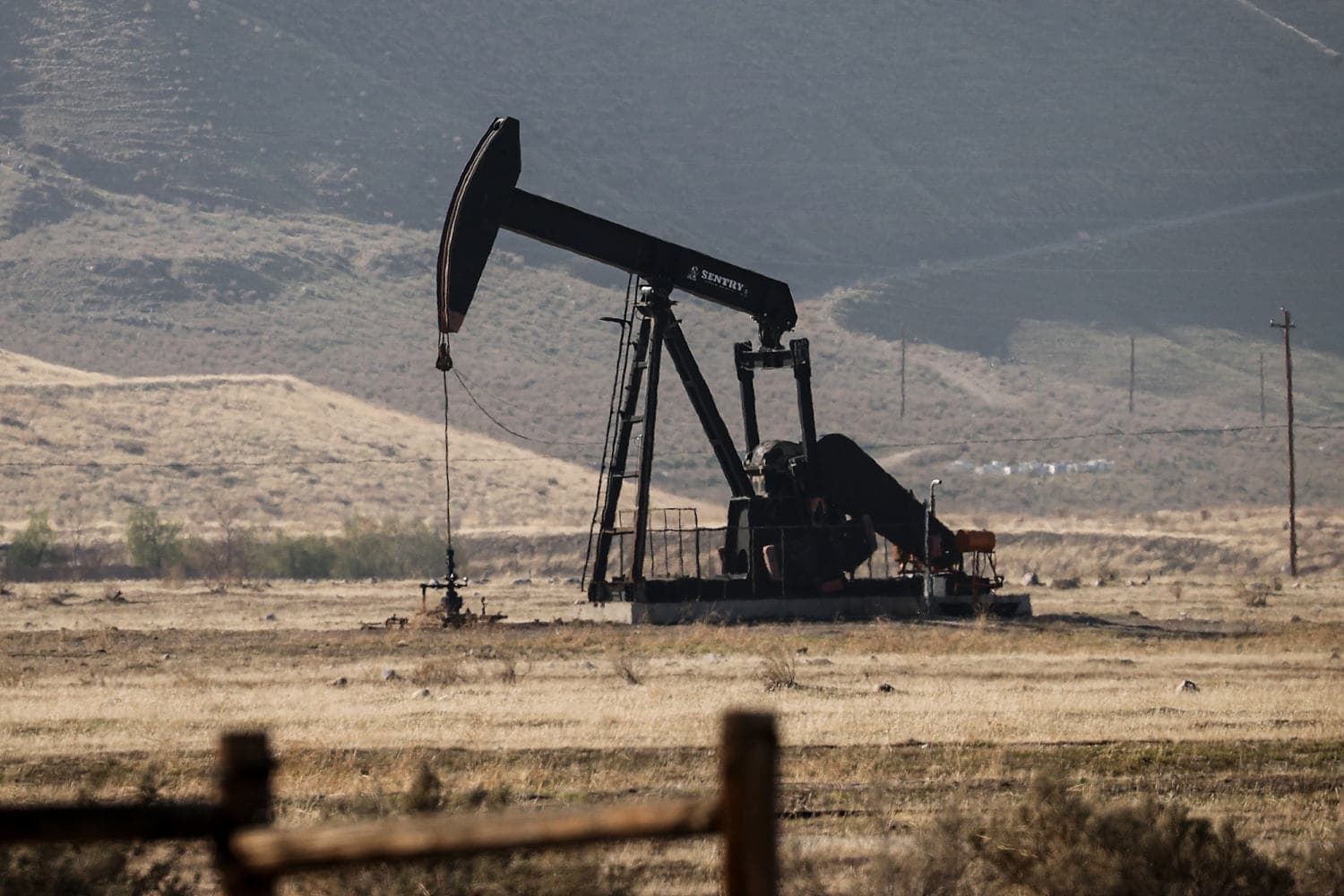
- The marginal well tension: Low-producing stripper sites account for a minor fraction of aggregate US fuel output, yet verified data indicates they generate a disproportionate volume of fugitive pipeline and wellhead leaks.
- The regulatory pendulum: This shift continues a decade-long policy oscillation, following initial standards introduced during the Obama presidency, revisions during the first Trump term, comprehensive expansions in 2024, and interim compliance delays across 2025 and 2026.
What's really happening
The proposed dismantling of the 2024 methane rules operates on an economic incentive model designed to maximize immediate domestic energy output by lowering marginal extraction costs. In mature oil and gas basins, operators manage thousands of low-production marginal wells. These facilities yield limited volumes daily, meaning the fixed cost of deploying optical gas imaging, continuous leak-monitoring sensors, and vapor-recovery units frequently exceeds the site's operating margin. By stripping away these mandates, the EPA shifts the operational equation: marginal assets that faced potential plugging or abandonment remain economically viable, preserving baseline production capacity without requiring capital reinvestment into emissions-capture hardware.
Beyond baseline equipment mandates, dismantling the Super Emitter Program structurally alters transparency mechanisms across the extraction sector. Under the 2024 structure, certified third parties utilizing satellite, aircraft, and advanced remote-sensing technology could detect major leak plumes and prompt mandatory regulatory notifications. Removing this framework transfers detection responsibilities entirely back to state-level entities and routine internal audits. For upstream firms, this eliminates headline enforcement exposure driven by independent environmental observation groups, reducing litigation liabilities and non-compliance fines.
The broader macroeconomic calculation aligns with production stability amid consumer sensitivity to fuel retail pricing. Administration officials frame the rollback as a $45 billion capital dividend returned to domestic enterprise, arguing that capital unburdened by environmental paperwork converts directly into field drilling and downstream supply. Conversely, external analyses highlight that capturing vented methane provides marketable natural gas, though low regional spot prices often dilute that private market incentive relative to the cost of abatement machinery.
Globally, the decoupling of US extraction rules from stringent tracking regimes disrupts the alignment sought by international buyers demanding certified low-carbon natural gas. Even without direct statutory reach outside American borders, major import hubs like Europe increasingly mandate lifecycle emissions monitoring for imported liquefied natural gas. As US operators diverge between tier-one producers maintaining voluntary leak detection for export advantages and independent domestic producers halting surveillance to preserve margins, the supply chain fragments along capital and compliance capabilities.
Who feels it first (and how)
- Independent and small-scale US producers: Experience immediate reductions in capital expenditure by avoiding sensor retrofits and routine flaring compliance mandates across marginal wellheads.
- Third-party monitoring and environmental-tech firms: Face shrinking contract pipelines as regulatory demand for commercial satellite tracking and external sensor arrays contracts.
- Communities in high-density extraction basins: Experience sustained exposure to fugitive volatile organic compounds and co-pollutants typically vented alongside unburned methane.
- Global energy operators in Dubai and the GCC: Encounter shifts in global supply balances as North American output stays online, alongside competitive differentiation for low-leak regional supply chains facing strict export criteria.
What to watch next
- EPA Federal Register rulemaking timeline: Public comment periods and administrative reviews will determine the exact schedule for formal codification under Administrator Lee Zeldin.
- Court filings from environmental litigators: Watch for preliminary injunction requests filed by groups including the Natural Resources Defense Council (NRDC) aimed at pausing the revisions before implementation.
- Differential pricing on exported gas: Monitor whether international buyers impose structural discounts or tracking premiums on US hydrocarbon shipments lacking standardized leak certifications.
The proposal targets the 2024 standards, seeks to eliminate the Super Emitter Program, and exempts stripper wells from regular leak surveillance routines.
Administrative law challenges will tie up several key provisions in federal appellate courts, maintaining compliance ambiguity for multi-basin operators.
Whether major global energy buyers will accept self-certified fuel cargoes without the third-party validation architectures previously supported by federal oversight.
Frequently Asked Questions
- Why it matters?
- Adjusting baseline monitoring standards for fossil fuel extraction shifts direct compliance overhead for operators while recalibrating emissions projections tied to international climate agreements.
- What happened (in 30 seconds)?
- The policy rollback: On October 27, 2026, President Donald Trump announced the termination of 2024 regulations targeting methane leaks across domestic oil and gas extraction sites. The specific targets: The Environmental Protection Agency's pending rulemaking specifically focuses on exempting low-production marginal wells, relaxing routine flaring limits, and eliminating the third-party Super Emitter Program. The financial justification: The administration cited an estimated $45 billion in direc
- What's really happening?
- The proposed dismantling of the 2024 methane rules operates on an economic incentive model designed to maximize immediate domestic energy output by lowering marginal extraction costs. In mature oil and gas basins, operators manage thousands of low-production marginal wells. These facilities yield limited volumes daily, meaning the fixed cost of deploying optical gas imaging, continuous leak-monitoring sensors, and vapor-recovery units frequently exceeds the site's operating margin. By stripping
- Who feels it first (and how)?
- Independent and small-scale US producers: Experience immediate reductions in capital expenditure by avoiding sensor retrofits and routine flaring compliance mandates across marginal wellheads. Third-party monitoring and environmental-tech firms: Face shrinking contract pipelines as regulatory demand for commercial satellite tracking and external sensor arrays contracts. Communities in high-density extraction basins: Experience sustained exposure to fugitive volatile organic compounds and co-poll
- What to watch next?
- EPA Federal Register rulemaking timeline: Public comment periods and administrative reviews will determine the exact schedule for formal codification under Administrator Lee Zeldin. Court filings from environmental litigators: Watch for preliminary injunction requests filed by groups including the Natural Resources Defense Council (NRDC) aimed at pausing the revisions before implementation. Differential pricing on exported gas: Monitor whether international buyers impose structural discounts or
News from the United States including domestic politics, society, and culture.
"The Guardian is known for its progressive editorial stance and in-depth analysis, often advocating for social justice, environmental issues, and liberal values."
— A47 Editor
Trump says government to ‘terminate’ Biden-era methane emissions rules
President Donald Trump said his administration is "terminating" Biden-era regulations that held oil and gas companies accountable for large methane leaks, announcing the move at a rally in Lubbock, Texas, on Tuesday evening. He claimed the change wou...
International coverage from The Guardian's global desks.
"The Guardian is known for its progressive editorial stance and in-depth analysis."
— A47 Editor
Trump says government to ‘terminate’ Biden-era methane emissions rules
President Donald Trump said his administration is "terminating" Biden-era regulations that held oil and gas companies accountable for large methane leaks, announcing the move at a rally in Lubbock, Texas, on Tuesday evening. He claimed the change wou...
Focused political reporting and governmental affairs.
"NBC News is a mainstream media outlet known for comprehensive national and international news coverage with a centrist to slightly left-leaning editorial tone."
— A47 Editor
Trump says he’ll roll back Biden-era methane rules for oil and gas companies
President Donald Trump said the Environmental Protection Agency plans to roll back Biden-era rules aimed at curbing methane leaks from oil and gas operations, easing regulations on a potent greenhouse gas that is a major contributor to climate change...
Conservative-leaning political and national coverage.
"The Washington Times is a conservative-leaning newspaper known for its political coverage and advocacy of right-of-center viewpoints."
— A47 Editor
Trump to suspend Biden-era methane rule
President Donald Trump said Tuesday that he is signing an order later in the evening to roll back a Biden-era rule aimed at reducing methane emissions from oil and gas drilling, a rule his administration argues curbed domestic energy production.
Capitol Hill news, legislation, and policy insight.
"The Hill specializes in U.S. politics and policy, with a focus on Capitol Hill developments and a reputation for insider reporting."
— A47 Editor
Trump announces proposal to loosen methane rules for oil and gas production
President Donald Trump announced a proposal to loosen methane regulations on the oil and gas sector during a campaign rally in Lubbock, Texas, on Tuesday night, the second stop of his Texas visits that day, where he aimed to support Republican Senate...
Insights and news on social issues, policy, and political movements across the United States.
"The Wall Street Journal is known for its deep political coverage, especially at the intersection of policy, regulation, and social dynamics."
— A47 Editor
The Trump administration is moving to dismantle Biden-era rules that sought to limit emissions of methane, a potent greenhouse gas
The Trump administration is moving to dismantle Biden-era rules that sought to limit emissions of methane, a potent greenhouse gas, according to The Wall Street Journal. Small fossil-fuel producers had opposed the regulations aimed at curbing methane...
Capitol Hill news, legislation, and policy insight.
"The Hill specializes in U.S. politics and policy, with a focus on Capitol Hill developments and a reputation for insider reporting."
— A47 Editor
Trump easing methane rules for oil and gas
The Trump administration is planning to loosen regulations on methane emissions from the oil and gas sector, with a particular focus on low-producing, high-emitting wells, according to reporting by The Hill. The move is part of a broader policy shift...