
U.S. diesel prices exceed $5 amid escalating U.S.-Iran tensions
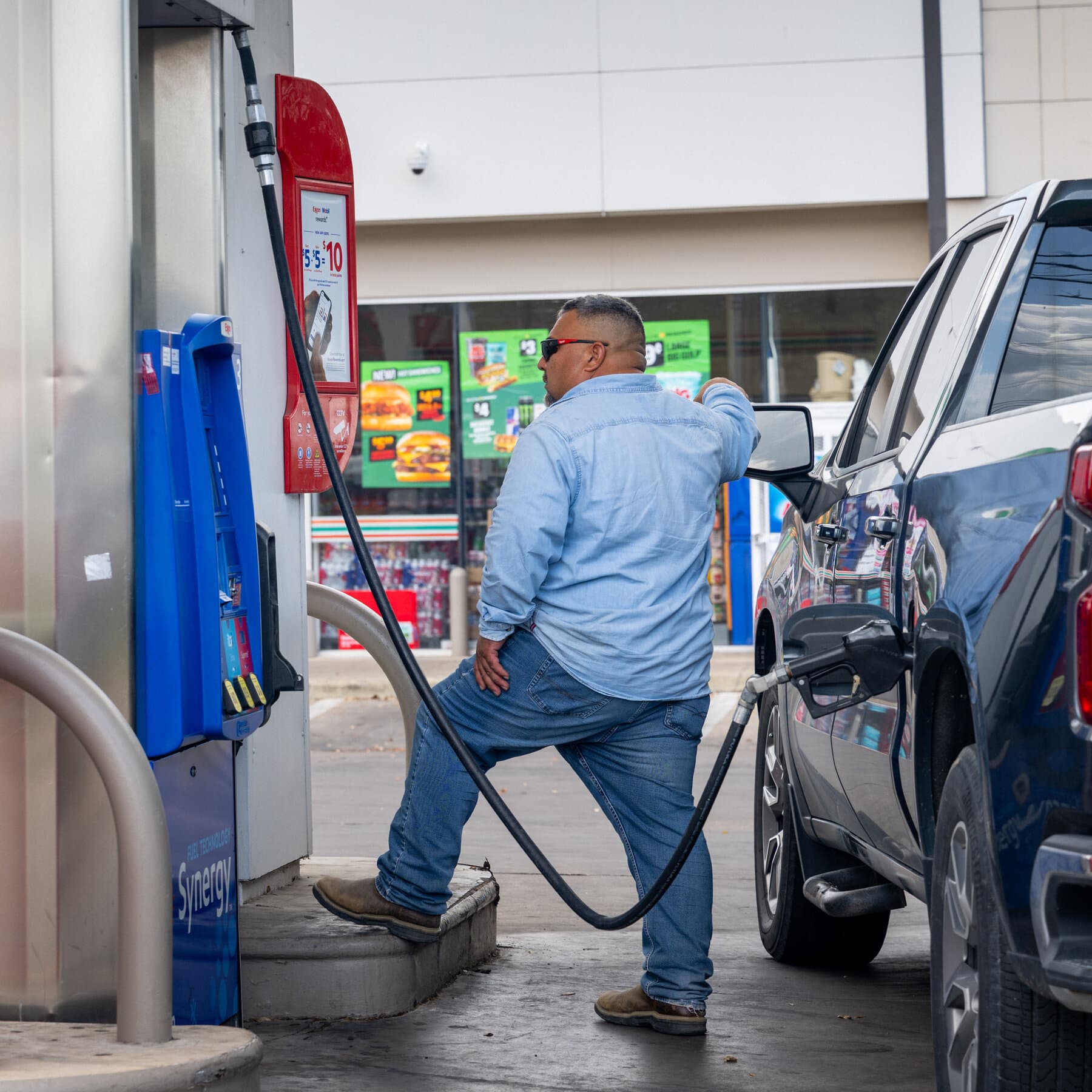
Here's what it means for you.
The recent surge in U.S. diesel prices, now exceeding $5 a gallon, signals a significant shift in the fuel market driven by geopolitical tensions. Consumers can expect continued volatility in fuel prices, which may impact household budgets and transportation costs. As the situation evolves, businesses reliant on diesel may also face increased operational expenses, potentially leading to higher prices for goods and services. The implications extend beyond immediate costs, as sustained high fuel prices could influence broader economic conditions. Stakeholders should remain vigilant as developments in U.S.-Iran relations unfold, affecting both supply chains and consumer behavior.
What happened
U.S. diesel prices have recently surpassed $5 a gallon, marking a notable increase amid escalating tensions between the U.S. and Iran. This rise follows renewed conflict in the Persian Gulf and a reduction in refinery capacity, which has contributed to the upward pressure on fuel prices. The average price of diesel was $3.72 just a year ago, highlighting a substantial increase over a short period.
The current price point reflects a 33% increase since the onset of the Iran war, underscoring the direct impact of geopolitical dynamics on fuel costs. Regular gasoline prices are also nearing $4 per gallon, indicating a broader trend affecting various fuel types.
The Context
The spike in diesel prices first occurred in March 2026, when prices exceeded the $5 mark for the first time. The recent escalation in fighting in the Persian Gulf has reignited concerns over fuel supply and pricing, which had previously stabilized following a temporary peace agreement between the U.S. and Iran. This situation illustrates the interconnectedness of international relations and domestic economic conditions.
As tensions persist, consumers and businesses alike are reminded of the volatile nature of fuel prices. The ongoing conflict in the Middle East is likely to keep fuel prices elevated, affecting not only individual consumers but also the broader economy.
Takeaway
Looking ahead, consumers may face further increases in fuel prices as tensions between the U.S. and Iran continue to evolve. Stakeholders should monitor developments in U.S.-Iran relations closely, as these could have significant implications for oil prices and refinery operations. Changes in refinery capacity and production levels will also be critical to watch, as they could directly affect fuel supply and pricing.
The current landscape suggests that volatility in fuel markets is likely to persist, prompting consumers and businesses to prepare for potential fluctuations in costs.
Sports reporting with a focus on Saudi and regional competitions.
"Okaz sports coverage is broad and audience-friendly, with strong attention to Saudi teams and leagues."
— A47 Editor
مع تصاعد توترات الشرق الأوسط.. ارتفاع أسعار الديزل والبنزين بأمريكا
Diesel prices in the United States have surged past $5 per gallon amid escalating tensions in the Middle East, according to the American Automobile Association. This increase follows a temporary decline in June due to a peace agreement between the U....
Markets, economy, and company analysis from NYT’s business desk.
"The New York Times is a globally recognized newspaper offering authoritative reporting with a center-left editorial stance."
— A47 Editor
Diesel Prices Hit $5 a Gallon Again, Up 33% Since Start of Iran War
U.S. diesel prices have surged past $5 a gallon again, marking a 33% increase since the onset of the Iran War. This rise is attributed to renewed military conflicts in the Persian Gulf and a reduction in refinery capacity, which have disrupted supply...
International coverage from The Guardian's global desks.
"The Guardian is known for its progressive editorial stance and in-depth analysis."
— A47 Editor
US gas prices edge up again as US-Iran tensions heighten over strait of Hormuz
US gas prices have risen again, with diesel exceeding $5 a gallon and regular gas nearing $4, marking a significant increase from last year. This surge is attributed to heightened tensions between the US and Iran, particularly concerning the Strait o...
Stock market news, investing ideas, and trading analysis.
"TheStreet provides market news and retail-investor-focused analysis."
— A47 Editor
Drivers face an unpleasant surprise at the gas pump
Recent escalations in military tensions between the United States and Iran have led to a significant increase in gasoline prices, reversing earlier declines and potentially pushing average prices back to around $4 per gallon in the U.S.