
Oil prices decline as tanker traffic increases in Strait of Hormuz following US-Iran peace talks
Here's what it means for you.
The recent decline in oil prices signals a potential shift in the market dynamics influenced by geopolitical developments. Increased tanker traffic in the Strait of Hormuz, a critical chokepoint for global oil shipments, suggests easing tensions between the US and Iran. This could lead to a more stable oil market, impacting both supply and pricing in the near future. Investors are closely monitoring these developments, as they could reshape the landscape of global oil supply. The ongoing peace talks between the US and Iran may foster a more predictable environment for oil markets, which have historically been sensitive to geopolitical events.
What happened
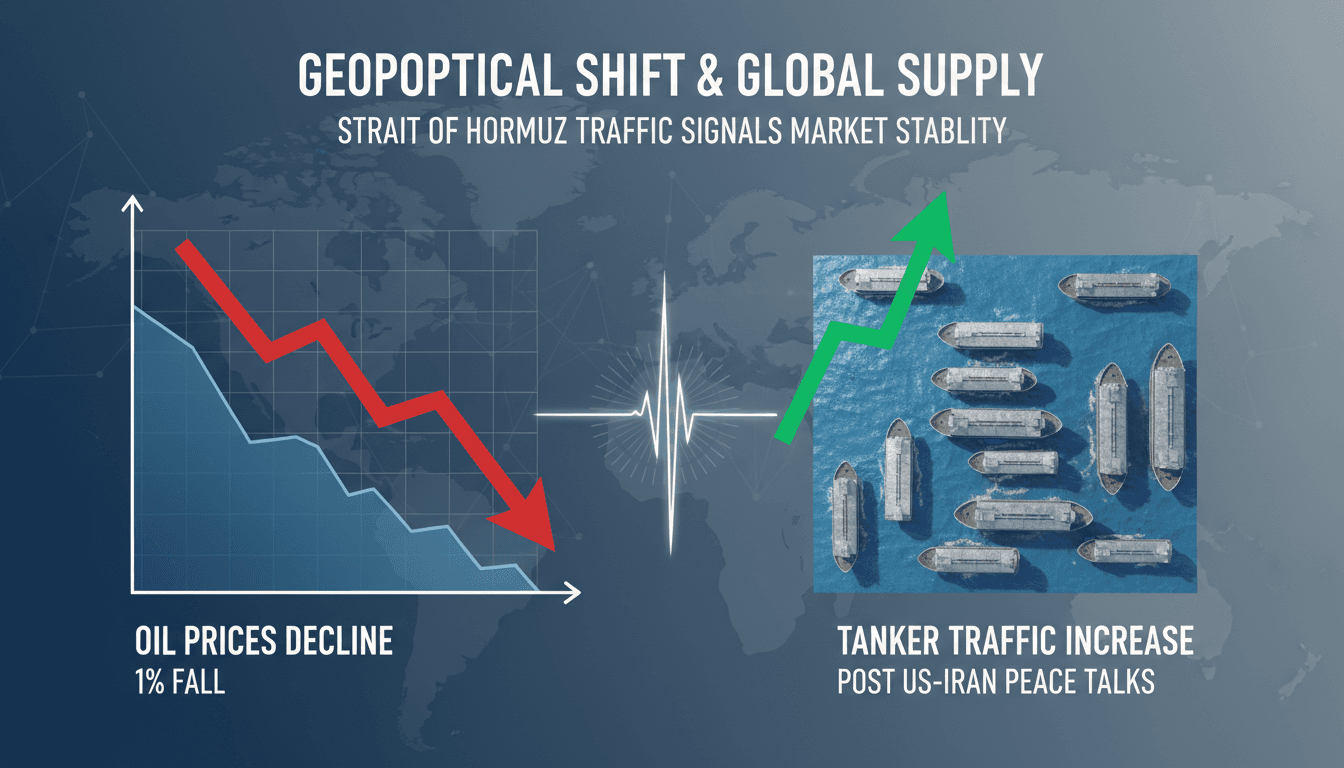
Oil prices fell by 1% as increased tanker traffic was reported in the Strait of Hormuz following peace talks between the US and Iran. This decline reflects the market's sensitivity to geopolitical events and the potential for reduced conflict in the region. The uptick in tanker crossings indicates a shift in investor sentiment, as hopes for a more stable environment grow.
On June 23, 2026, oil prices finished lower, marking a significant response to the diplomatic engagement between the two nations. The increase in tanker traffic is seen as a positive sign, suggesting that tensions may be easing.
The Context
The Strait of Hormuz is a vital chokepoint for global oil shipments, making developments in this region particularly impactful for the oil market. Recent peace talks between the US and Iran have raised hopes for a reduction in regional conflict, which has historically influenced oil prices and supply chains. Stakeholders in the oil market are keenly aware of how these geopolitical dynamics can affect their operations and investments.
As the situation evolves, the implications for global oil supply and pricing become increasingly significant. The market's reaction to these developments underscores the interconnectedness of geopolitical events and economic outcomes.
Takeaway
The ongoing developments in the Strait of Hormuz could have lasting effects on global oil supply and prices. Investors should keep an eye on further updates regarding US-Iran relations, as these could influence market stability. Monitoring tanker traffic in the region will also be crucial for anticipating potential disruptions.
As the diplomatic landscape shifts, the oil market will likely remain sensitive to these changes. The potential for a more stable environment could reshape expectations for oil pricing in the near future.
Global markets, investing, and macroeconomics from a premier financial newsroom.
"Bloomberg is respected for in-depth financial reporting and data-driven analysis."
— A47 Editor
Oil Extends Drop as More Tankers Cross Hormuz After Peace Talks
Oil prices have continued to decline as more tankers cross the Strait of Hormuz, signaling a potential easing of tensions between the US and Iran following recent peace talks aimed at resolving the ongoing conflict.
Oil, metals, and agriculture: supply/demand headlines, OPEC chatter, inventories, and price action.
"Solid tape for energy and metals traders tracking macro and micro catalysts."
— A47 Editor
Oil prices finish 1% lower as investors focus on Hormuz flows after peace talks
Oil prices finished 1% lower as investors shifted their focus to the flow of oil through the Strait of Hormuz following ongoing peace talks between the U.S. and Iran. This decline reflects market caution amid geopolitical tensions that continue to af...
Regional and international reporting focused on Middle Eastern politics, diplomacy, and economics.
"Asharq Al-Awsat is a Saudi-owned international newspaper reflecting mainstream Gulf political perspectives."
— A47 Editor
Oil Falls 1% as Investors Focus on Hormuz Flows after Peace Talks
Oil prices fell by 1% as investors shifted their focus to the flow of oil through the Strait of Hormuz following recent peace talks aimed at stabilizing the region. This decline reflects ongoing uncertainties in the Middle East, particularly concerni...