
US Strategic Petroleum Reserve hits lowest level since 1983 prompting oil release
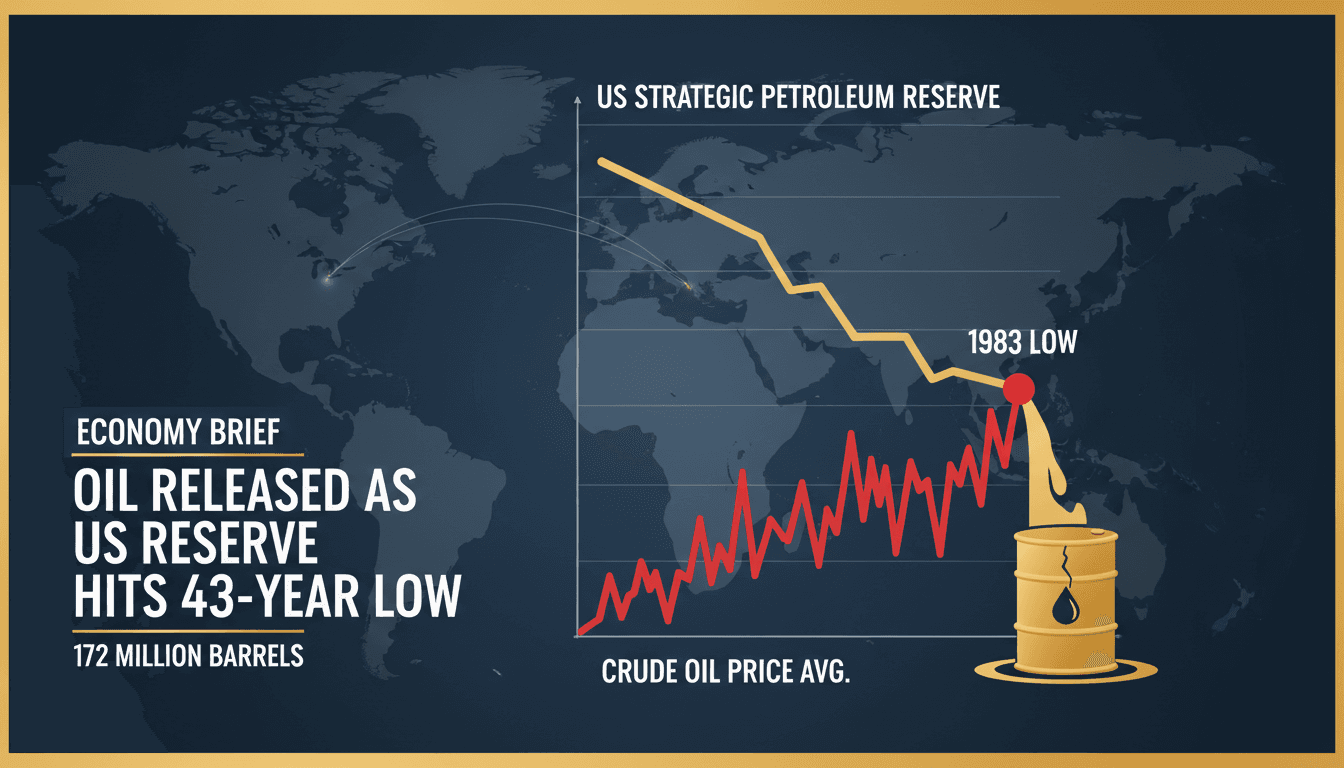
Here's what it means for you.
The depletion of the US Strategic Petroleum Reserve to its lowest level in 43 years signals significant challenges for the energy market. As the Trump administration releases 172 million barrels of crude oil, consumers may experience fluctuations in fuel prices. This situation underscores the delicate balance between energy security and market stability, particularly amid ongoing geopolitical tensions. The implications of this oil release extend beyond immediate price stabilization, potentially influencing future US energy policy. Stakeholders in the energy sector will need to closely monitor developments as the situation evolves.
What happened
The US Strategic Petroleum Reserve has fallen to its lowest level since 1983, prompting a significant response from the Trump administration. In an effort to combat rising fuel prices linked to the ongoing war in Iran, the government plans to release 172 million barrels of crude oil. This decision marks a critical moment in US energy policy as the nation grapples with the implications of reduced reserves.
The current reserve levels reflect the challenges faced by the US energy sector amid international conflicts. The last time reserves were this low was during the early 1980s, highlighting the historical significance of this event.
The Context
The release of oil from the Strategic Petroleum Reserve is part of a broader strategy aimed at stabilizing fuel prices. Rising prices have been attributed to surging demand and geopolitical tensions, particularly the ongoing war in Iran. As the US navigates these challenges, the effectiveness of this oil release will be closely scrutinized.
This situation involves various stakeholders, including government officials, energy companies, and consumers. The timing of the release is crucial, as it coincides with heightened concerns over energy security and market volatility.
Takeaway
As the US moves forward, the impact of the oil release on fuel prices will be a key area to watch. Analysts will be monitoring trends in response to this significant intervention in the market. Additionally, further government actions regarding energy supply management may emerge as the situation develops.
The depletion of the oil reserve could lead to increased volatility in fuel prices if geopolitical tensions persist. Stakeholders should remain vigilant as the implications of this decision unfold.
Oil, metals, and agriculture: supply/demand headlines, OPEC chatter, inventories, and price action.
"Solid tape for energy and metals traders tracking macro and micro catalysts."
— A47 Editor
Stocks of oil in US Strategic Petroleum Reserve falls to lowest since 1983
The stocks of oil in the US Strategic Petroleum Reserve have fallen to their lowest levels since 1983, raising concerns about the nation's energy security and market stability. This decline reflects ongoing challenges in managing the reserve amid flu...
Oil, metals, and agriculture: supply/demand headlines, OPEC chatter, inventories, and price action.
"Solid tape for energy and metals traders tracking macro and micro catalysts."
— A47 Editor
US emergency oil reserve drops to lowest since 1983
The U.S. emergency oil reserve has dropped to its lowest level since 1983, reflecting a significant decline in available crude oil supplies amid rising fuel prices. This situation has prompted the government to consider releasing 172 million barrels ...
Global markets, investing, and macroeconomics from a premier financial newsroom.
"Bloomberg is respected for in-depth financial reporting and data-driven analysis."
— A47 Editor
US Oil Reserve Hits 43-Year Low as Trump Aims to Tame Prices
The U.S. emergency supply of crude oil has reached its lowest level since 1983, as the Trump administration prepares to release 172 million barrels to combat rising fuel prices exacerbated by the ongoing conflict in Iran.