
US Imposes New Tariffs on Brazilian Goods Amid Trade Tensions
Here's what it means for you.
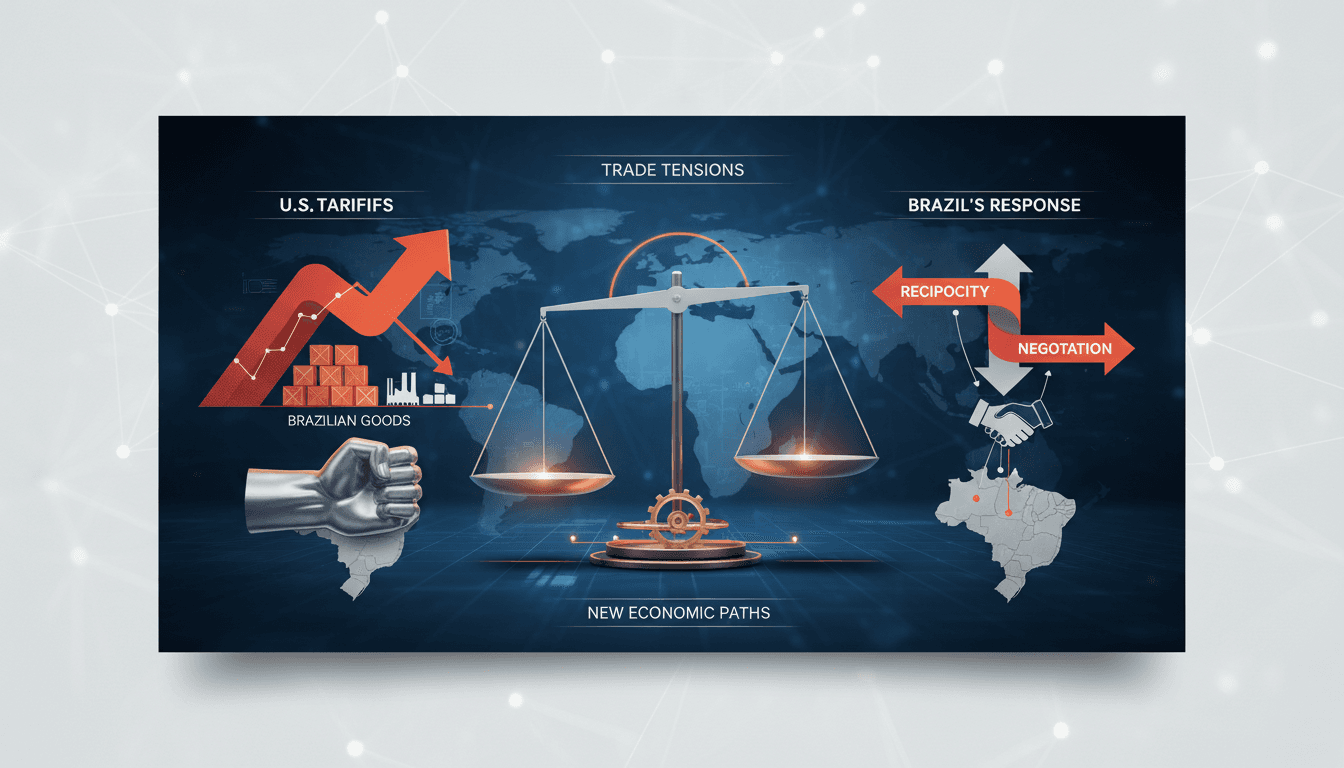
The recent imposition of tariffs by the U.S. on Brazilian goods signals a potential shift in trade dynamics that could impact various sectors. Businesses engaged in trade with Brazil may need to reassess their strategies in light of these new tariffs. The focus on reciprocity from Brazil's finance minister suggests that negotiations may evolve, potentially leading to new agreements that could reshape economic interactions. As the situation develops, stakeholders should remain vigilant about Brazil's trade policy adjustments and how they may influence market conditions. The absence of retaliatory measures from Brazil indicates a strategic approach that could foster long-term negotiations.
What happened
On July 17, 2026, the U.S. announced new tariffs on Brazilian goods, raising concerns about escalating trade tensions. This decision has sparked discussions regarding the future of trade relations between the two countries. Brazil's finance minister confirmed that the country will not retaliate against these tariffs, opting instead to pursue a strategy focused on reciprocity.
This approach may indicate Brazil's intent to engage in constructive dialogue rather than escalating the situation further. The tariffs are part of a broader context of ongoing tensions in global trade dynamics, which could have far-reaching implications.
The Context
The imposition of tariffs by the U.S. reflects a complex backdrop of trade relations between the two nations. Brazil's finance chief has emphasized a focus on reciprocity rather than retaliation, suggesting a willingness to negotiate rather than confront. This stance may influence how both countries navigate their economic interactions moving forward.
The timing of these tariffs coincides with heightened scrutiny of global trade practices, making it a critical moment for both the U.S. and Brazil. As trade tensions rise, the implications for various industries and markets could be significant, necessitating close monitoring by stakeholders.
Takeaway
As Brazil navigates its response to the U.S. tariffs, the emphasis on reciprocity may lead to new trade discussions that could reshape the economic landscape between the two countries. Observers should watch for potential adjustments in Brazil's trade policy in the coming weeks, which may signal a shift in strategy.
Additionally, the reactions from other countries affected by U.S. tariffs could further influence the evolving trade dynamics. The situation remains fluid, and stakeholders must stay informed to adapt to any changes that may arise.
Macro commentary, policy analysis, growth/inflation themes, and global outlooks.
"Contextual macro coverage that complements day-to-day market headlines."
— A47 Editor
Brazil finance minister says no retaliation planned for US tariffs
Brazil's finance minister has announced that the country will not retaliate against the recent 25% tariffs imposed by the United States on certain Brazilian imports, effective July 22, 2026. This decision follows a yearlong investigation into alleged...
Global news coverage with extensive reporting on Middle Eastern conflicts and geopolitics.
"Al Jazeera is a Qatar-based broadcaster known for wide regional coverage and alternative perspectives."
— A47 Editor
Did the US just start a trade war with Brazil?
The United States has announced a new round of tariffs, imposing a 25% tax on certain Brazilian imports, effective July 22, following a yearlong investigation that identified unfair trade practices by Brazil. This decision has raised concerns about e...
Comprehensive coverage of Middle Eastern and global issues.
"Al Jazeera is a prominent voice from the Global South, especially the Middle East, with an emphasis on underreported stories."
— A47 Editor
Did the US just start a trade war with Brazil?
The United States has announced a new round of tariffs, imposing a 25% tax on certain Brazilian imports, effective July 22, following a yearlong investigation that identified unfair trade practices by Brazil. This decision has raised concerns about e...
Macro commentary, policy analysis, growth/inflation themes, and global outlooks.
"Contextual macro coverage that complements day-to-day market headlines."
— A47 Editor
Brazil finance chief pledges reciprocity, not retaliation, after new U.S. tariffs
Brazil's finance chief has responded to the recent announcement of a 25% tariff on certain Brazilian imports by the United States, pledging reciprocity rather than retaliation. This tariff, effective July 22, 2026, follows a yearlong investigation in...