
FTSE 100 Index Declines Amid Geopolitical Tensions and Tech Sector Weakness
Here's what it means for you.
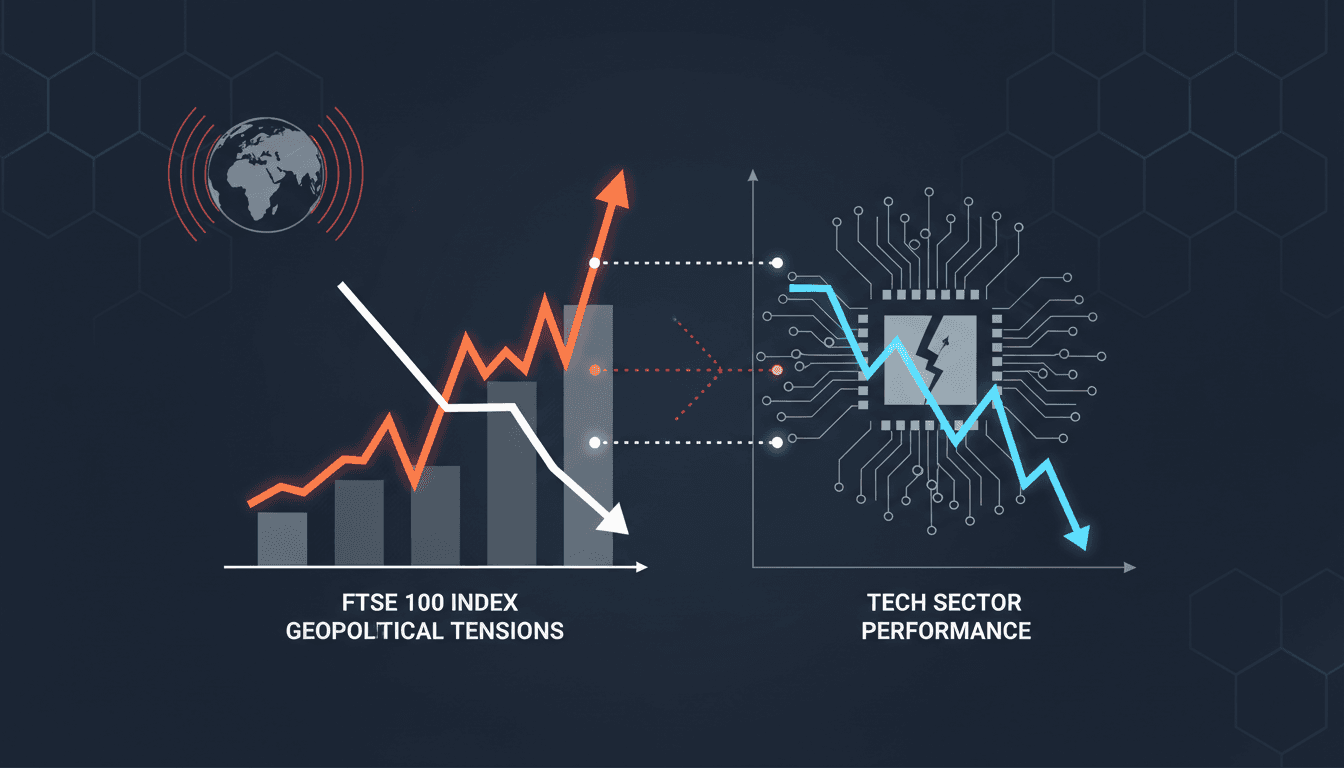
The recent decline of the FTSE 100 index signals growing investor anxiety amid geopolitical tensions and a downturn in the technology sector. This situation underscores the interconnectedness of global events and market performance, particularly for major indices. Stakeholders should remain vigilant as these factors could influence investment strategies and market stability in the near future.
What happened
The FTSE 100 index closed down on June 26, 2026, reflecting a combination of geopolitical tensions and weakness in the tech sector. This downturn was exacerbated by an attack in the Hormuz region, which heightened market anxiety among investors. Additionally, the technology sector has been experiencing a significant selloff, contributing to the overall negative sentiment in the market.
Investors noted that the FTSE 100 missed out on gains seen in European tech markets, further impacting its performance. As a result, the index's decline highlights the challenges faced by major companies listed on the London Stock Exchange.
The Context
The recent events surrounding the Hormuz region have raised concerns about geopolitical stability, which can have far-reaching implications for global markets. The tech sector's underperformance has compounded these issues, as it plays a crucial role in driving market sentiment. Investors are particularly focused on how these external pressures will affect the FTSE 100 and its constituent companies.
The timing of this downturn is critical, as it coincides with a period where European tech markets have seen gains that the FTSE 100 did not capitalize on. This divergence raises questions about the index's resilience and its ability to recover from current challenges.
Takeaway
Looking ahead, investors should closely monitor developments in the tech sector, as a potential recovery could positively influence market sentiment. Additionally, ongoing geopolitical issues in the Hormuz region may lead to increased volatility, which could further impact the FTSE 100's performance. The index's ability to navigate these challenges will depend on external factors and sector-specific trends.
As the situation evolves, stakeholders must remain informed to make strategic decisions that align with market conditions.
Market-moving headlines impacting equities, bonds, and related risk assets.
"Real-time catalysts and volatility drivers across indices and sectors."
— A47 Editor
FTSE 100 today: Stocks close down as Hormuz attack and tech selloff sour sentiment
The FTSE 100 index closed down today, reflecting a negative sentiment driven by escalating tensions in the Strait of Hormuz and a significant selloff in the technology sector. Investors reacted to geopolitical instability, particularly following mili...
Global markets, investing, and macroeconomics from a premier financial newsroom.
"Bloomberg is respected for in-depth financial reporting and data-driven analysis."
— A47 Editor
FTSE 100 Futures Fall as Tech Weakness Hits Sentiment
FTSE 100 futures have declined as weakness in the technology sector dampens market sentiment, reflecting broader concerns about economic stability. This downturn follows a global selloff in tech stocks, which has significantly impacted investor confi...
Global markets, investing, and macroeconomics from a premier financial newsroom.
"Bloomberg is respected for in-depth financial reporting and data-driven analysis."
— A47 Editor
FTSE 100 Falls, Missing Out on European Tech Rally
The FTSE 100 index has fallen, missing out on a broader European tech rally, reflecting a negative sentiment in the market. The decline is attributed to significant downturns in the mining and technology sectors, alongside the Bank of England's decis...