
WHO Chief Visits DRC Amid Rare Ebola Outbreak
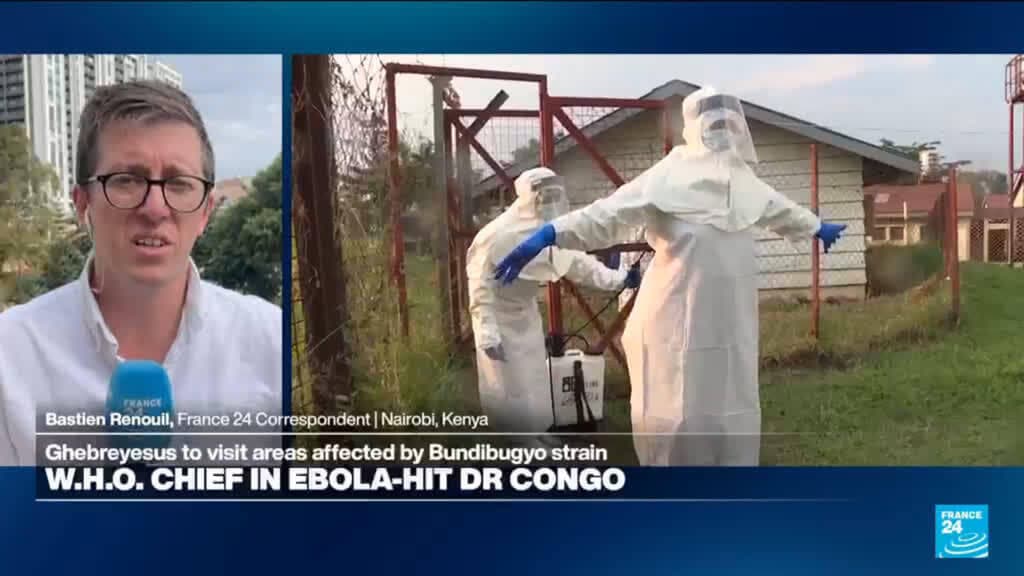
Here's what it means for you.
The visit of WHO Chief Tedros Adhanom Ghebreyesus to the Democratic Republic of the Congo underscores the urgent need for international collaboration in addressing health crises. The ongoing Ebola outbreak presents significant challenges, particularly in regions marked by distrust and insecurity. Enhanced global support could lead to improved containment strategies and a more robust response to future health emergencies. The implications of this visit extend beyond immediate health concerns, potentially influencing international health policy and funding priorities. Stakeholders in global health must pay close attention to the developments in DRC as they may set precedents for future interventions in similar crises.
What happened
Tedros Adhanom Ghebreyesus, the head of the World Health Organization, arrived in Kinshasa, DRC, on May 29, 2026, to address a rare Ebola outbreak. His visit is aimed at supporting efforts to combat the disease, which is currently centered in Ituri province, northeast DRC. Ghebreyesus emphasized the critical need for a ceasefire to facilitate effective health interventions and called for increased international support.
The WHO chief's presence highlights the urgency of the situation, as the outbreak poses significant risks to public health in the region. The ongoing challenges of distrust and insecurity complicate response efforts, making international collaboration essential for effective containment.
The Context
The Ebola outbreak in the DRC is of a rare type of the virus, which adds complexity to the response efforts. The region's history of conflict and instability has fostered significant distrust among local populations, complicating health initiatives. The WHO is urging the international community to step up support, recognizing that local resources may be insufficient to manage the crisis effectively.
This visit comes at a critical time, as the situation in Ituri province remains precarious. The WHO's involvement signals a commitment to addressing not only the immediate health crisis but also the underlying factors that hinder effective response, such as insecurity and lack of trust in health authorities.
Takeaway
The WHO's engagement in the DRC may lead to improved containment strategies and increased international aid, which are crucial for managing the ongoing Ebola outbreak. Observers should monitor the response efforts in Ituri province closely, as they will provide insights into the effectiveness of international collaboration in health crises.
Updates on international support for the DRC's health crisis will also be important, as they could influence future health policies and funding decisions. The situation remains fluid, but there is hope that with coordinated efforts, the outbreak can be contained effectively.
Canadian and international health news, medicine, public policy, and research.
"Global News is a mainstream Canadian outlet generally considered to have a centrist editorial stance, covering news with a focus on factual reporting and national interest."
— A47 Editor
Ebola outbreak is ‘very complex,’ but ‘can be stopped’, WHO chief says
The World Health Organization (WHO) Director-General Tedros Adhanom Ghebreyesus stated that the ongoing Ebola outbreak is 'very complex' but can be stopped, emphasizing the importance of community support during his visit to the affected areas.
International coverage of politics, security, and social issues.
"Global News is a mainstream Canadian outlet with a centrist editorial stance, focusing on factual reporting."
— A47 Editor
Ebola outbreak is ‘very complex,’ but ‘can be stopped’, WHO chief says
The World Health Organization (WHO) Director-General Tedros Adhanom Ghebreyesus stated that the ongoing Ebola outbreak is 'very complex' but can be stopped, emphasizing the importance of community support during his visit to the affected areas.
24/7 international news from a French perspective in multiple languages.
"France 24 is viewed as a globally focused outlet with balanced coverage and a European perspective."
— A47 Editor
WHO chief lands in DR Congo, saying Ebola outbreak 'can be stopped'
The Director-General of the World Health Organization (WHO), Tedros Adhanom Ghebreyesus, has arrived in Kinshasa, Democratic Republic of Congo, to support efforts against a rare Ebola outbreak that has led to 906 suspected cases and 223 suspected dea...
International coverage from The Guardian's global desks.
"The Guardian is known for its progressive editorial stance and in-depth analysis."
— A47 Editor
WHO puts Ebola outbreak death rate at ‘huge’ 30-50% as chief arrives in DRC
The World Health Organization (WHO) has reported a staggering death rate of 30-50% in the ongoing Ebola outbreak in the Democratic Republic of the Congo (DRC), as Director-General Tedros Adhanom Ghebreyesus arrives to support containment efforts. Thi...
Global news coverage with extensive reporting on Middle Eastern conflicts and geopolitics.
"Al Jazeera is a Qatar-based broadcaster known for wide regional coverage and alternative perspectives."
— A47 Editor
WHO chief visits DRC amidst Ebola crisis
The World Health Organization (WHO) chief visited the Democratic Republic of Congo (DRC) amid a severe Ebola outbreak, urging the international community to enhance support for containment efforts. The outbreak has escalated, with confirmed cases ris...
Comprehensive coverage of Middle Eastern and global issues.
"Al Jazeera is a prominent voice from the Global South, especially the Middle East, with an emphasis on underreported stories."
— A47 Editor
WHO chief visits DRC amidst Ebola crisis
The World Health Organization (WHO) chief visited the Democratic Republic of Congo (DRC) amid a severe Ebola outbreak, urging the international community to enhance support for containment efforts. The outbreak has escalated, with confirmed cases ris...
International stories from NPR’s global desk.
"NPR is an American public media organization known for thoughtful reporting and a slightly left-leaning editorial tone."
— A47 Editor
WHO chief lands in Congo to address rare Ebola outbreak amid distrust and insecurity
The Director-General of the World Health Organization (WHO), Tedros Adhanom Ghebreyesus, has arrived in Kinshasa, Congo, to address a rare Ebola outbreak that has resulted in significant fatalities and raised concerns about public health security. Th...
Medical headlines, wellness tips, and public health guidance.
"ABC News delivers broad national coverage with a mainstream editorial stance, focusing on accessibility and balanced reporting."
— A47 Editor
WHO chief lands in Congo to address rare Ebola outbreak amid distrust and insecurity
The Director-General of the World Health Organization (WHO) has arrived in Kinshasa, Congo, to assist in combating a rare Ebola outbreak that has raised significant health concerns. This outbreak has been marked by a rapid increase in suspected cases...