
Federal Reserve President Williams Signals Potential Policy Adjustments Amid Persistent Inflation Concerns
Here's what it means for you.
The remarks from New York Federal Reserve President John Williams highlight the ongoing challenges posed by inflation, which remains above the Fed's target range. His expectation of declining energy prices could provide some relief, but the Fed's readiness to adjust monetary policy underscores the importance of closely monitoring economic indicators. For businesses and consumers alike, these developments may influence financial decisions and market stability in the coming months. As inflation trends evolve, stakeholders should remain vigilant about how these changes could impact interest rates and overall economic growth. The Fed's actions will be crucial in shaping the economic landscape, making it essential for all to stay informed.
What happened
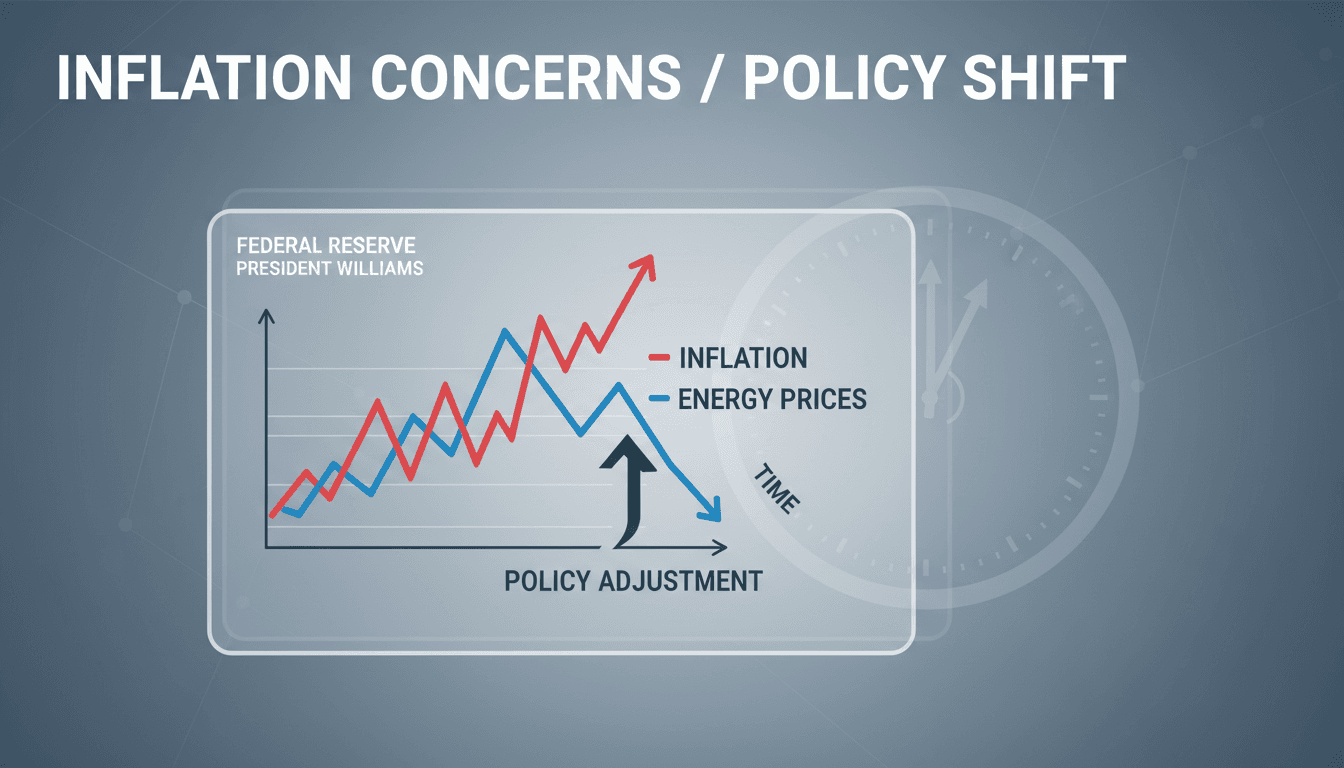
New York Federal Reserve President John Williams expressed concerns regarding persistent inflation, indicating that it remains elevated. He noted, however, that he anticipates a decline in energy prices, which could help moderate inflation further. Williams emphasized that if inflation continues to exceed expectations, the Fed will need to adapt its monetary policy accordingly.
His comments reflect a proactive stance as the Fed prepares to respond to changing economic conditions. The focus on energy prices is particularly relevant, as they play a significant role in overall inflation dynamics.
The Context
Williams' remarks come at a time when inflation has been a pressing issue for the economy, affecting consumers and businesses alike. The Federal Reserve aims for an inflation rate between 2-4%, and Williams' insights suggest that the central bank is closely monitoring these trends. The potential for energy prices to retreat could provide a much-needed buffer against sustained inflation.
The implications of these developments are significant for various stakeholders, including policymakers, investors, and the general public. As the Fed navigates these challenges, the timing of their policy adjustments will be critical in maintaining economic stability.
Takeaway
Looking ahead, it will be essential to monitor upcoming inflation reports for signs of persistence. Changes in energy prices will also be a key factor influencing overall inflation trends. The Fed's readiness to adjust its policies indicates that they are prepared to act if inflation does not align with their expectations.
As the economic landscape continues to evolve, stakeholders should remain attentive to how these factors may impact future monetary policy decisions. The Fed's actions will be pivotal in shaping the trajectory of inflation and economic growth.
Social/economic commentary and analysis relevant to business and markets.
"WSJ blends data-driven economic insight with commentary on policy and society."
— A47 Editor
Fed’s Williams Says Inflation Still Too High, Expects Retreat in Energy Prices
New York Federal Reserve President John Williams stated that inflation remains too high and indicated that monetary policy may need to adjust if inflation proves more persistent than expected. He anticipates a decline in energy prices, which could in...
Macro commentary, policy analysis, growth/inflation themes, and global outlooks.
"Contextual macro coverage that complements day-to-day market headlines."
— A47 Editor
Fed’s Williams doesn’t expect sustained surge in energy prices
Federal Reserve official John Williams has stated that he does not anticipate a sustained surge in energy prices, reflecting a cautious outlook on inflation and economic stability. This statement comes amid ongoing discussions regarding the Fed's mon...
Macro commentary, policy analysis, growth/inflation themes, and global outlooks.
"Contextual macro coverage that complements day-to-day market headlines."
— A47 Editor
Inflation seen moderating further, Fed’s Williams says
Federal Reserve official John Williams stated that inflation is expected to moderate further, indicating a cautious optimism regarding the current economic climate. This assessment aligns with the Fed's ongoing efforts to manage inflationary pressure...