
U.S. and Iran Extend Ceasefire Agreement Amid Ongoing Conflict
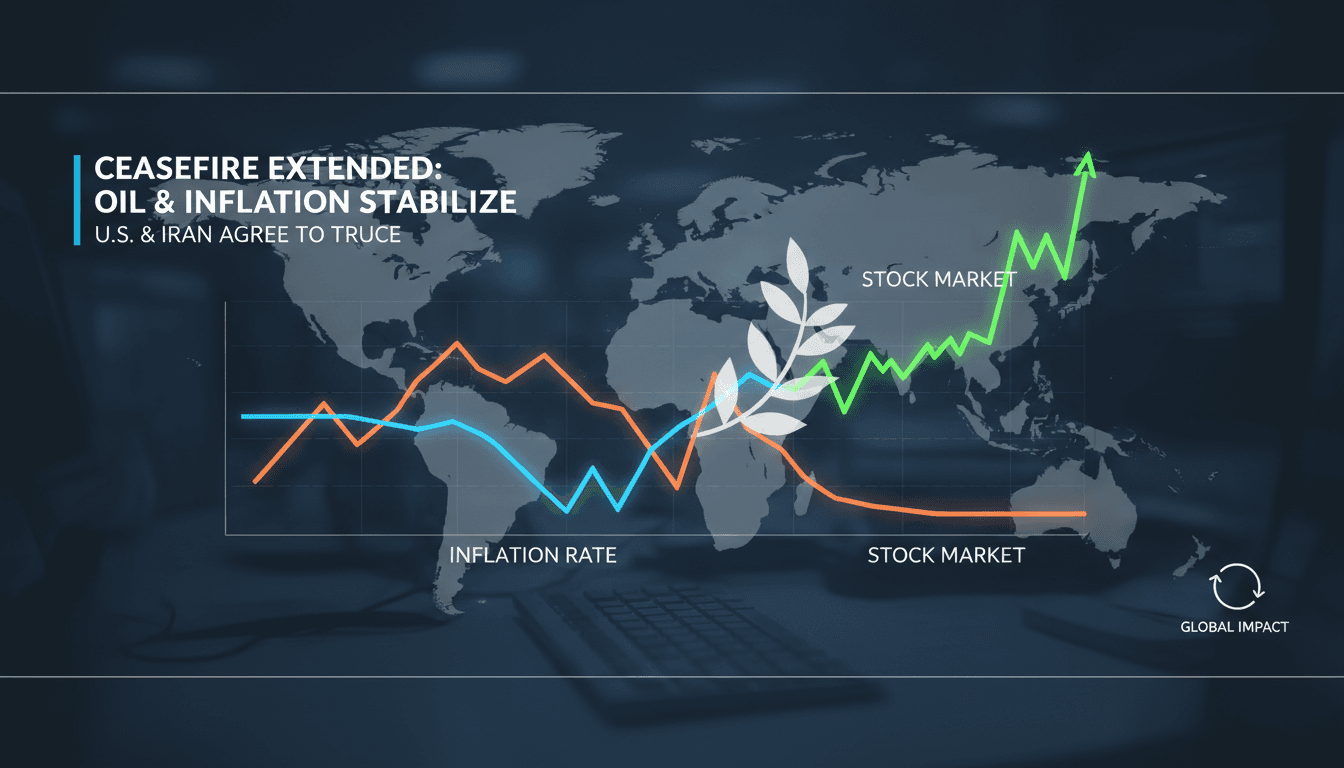
Here's what it means for you.
The recent extension of the ceasefire between the U.S. and Iran is a significant development that could stabilize global oil markets and alleviate inflationary pressures. Investors are responding positively, as evidenced by rising stock prices and increased Treasury yields. This truce may pave the way for further diplomatic negotiations, impacting both market dynamics and geopolitical relations. The implications of this ceasefire extend beyond immediate market reactions, potentially influencing long-term economic policies and energy strategies. Stakeholders will be closely monitoring the situation for any signs of escalation or further agreements.
What happened
Recent reports indicate that the U.S. and Iran have reached an agreement to extend a ceasefire amid their ongoing conflict. This truce comes after a three-month war that has significantly affected global oil prices. The extension has led to a positive response in global markets, with stocks rising and Treasury yields increasing.
The agreement is seen as a crucial step towards resolving ongoing tensions between the two nations. Investors are reacting optimistically, reflecting the potential for stabilization in oil markets and a decrease in inflationary pressures.
The Context
The ceasefire aims to end a conflict that has had a profound impact on oil prices, which are a key driver of global inflation. The three-month duration of the war underscores the urgency and significance of this agreement. Optimism surrounding the ceasefire has led to a rise in global stock markets, with European and Asian stocks experiencing gains.
As the situation evolves, stakeholders from various sectors, including finance and energy, are closely watching the developments. The potential stabilization of oil prices could have far-reaching effects on inflation and economic policies worldwide.
Takeaway
If the ceasefire holds, it could lead to further stabilization in oil markets and a decrease in inflationary pressures. Market participants will be vigilant for any signs of escalation or additional agreements as the situation develops. Continued diplomatic efforts will be essential to maintain the ceasefire and address underlying tensions.
Investors should monitor developments in U.S.-Iran negotiations closely, as these could influence market dynamics and economic forecasts in the coming weeks.
Market-moving headlines impacting equities, bonds, and related risk assets.
"Real-time catalysts and volatility drivers across indices and sectors."
— A47 Editor
European stocks tick higher amid reports of U.S.-Iran deal to extend ceasefire
European stocks experienced a slight uptick amid reports of a potential agreement between the U.S. and Iran to extend a ceasefire, which has been a focal point of geopolitical tensions affecting global markets. This development reflects a cautious op...
Regional and international reporting focused on Middle Eastern politics, diplomacy, and economics.
"Asharq Al-Awsat is a Saudi-owned international newspaper reflecting mainstream Gulf political perspectives."
— A47 Editor
Asia Stocks Surge, Oil Falls on Hopes of US-Iran Truce Deal
Asian stock markets experienced a surge as investors reacted positively to reports of a potential ceasefire deal between the United States and Iran, which is currently pending approval from President Trump. This optimism contributed to a favorable tr...
Global markets, investing, and macroeconomics from a premier financial newsroom.
"Bloomberg is respected for in-depth financial reporting and data-driven analysis."
— A47 Editor
Treasuries Rise as Optimism for US-Iran Deal Trims Oil Prices
Treasuries rose following reports that the United States and Iran reached an agreement to extend a truce, aiming to resolve a three-month conflict that has significantly impacted oil prices and inflation. This development has led to optimism in the m...