
Japan's Hayabusa2 spacecraft successfully encounters asteroid Torifune
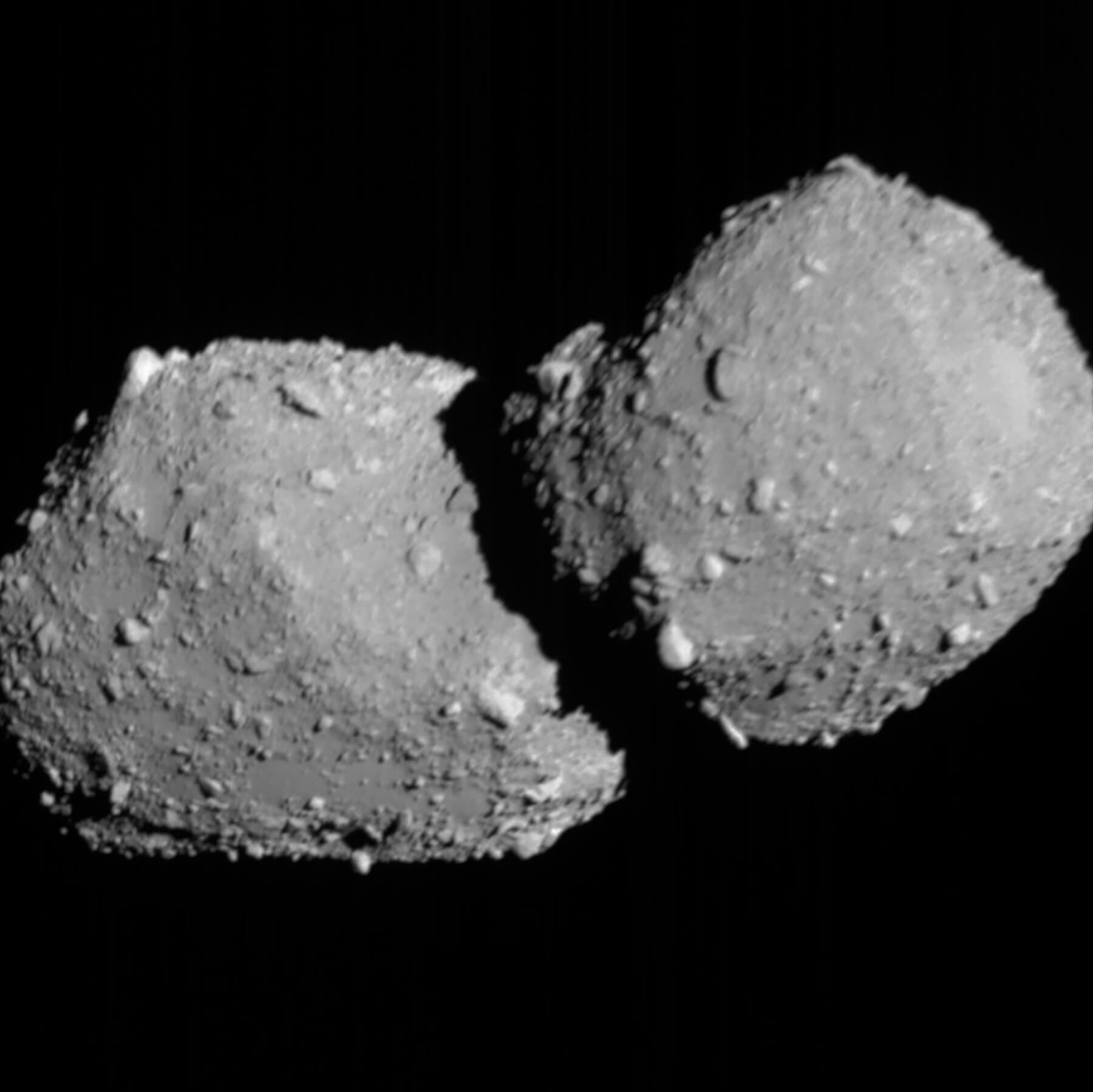
Here's what it means for you.
The successful flyby of the asteroid Torifune by Japan's Hayabusa2 spacecraft marks a pivotal moment in asteroid exploration. This achievement not only enhances our understanding of asteroid formation but also has implications for future planetary defense strategies. As research continues, the insights gained from such missions could inform policies and technologies aimed at protecting Earth from potential asteroid threats. The imaging of Torifune, a contact binary, provides a unique opportunity for scientists to study the characteristics of these celestial bodies. This event underscores the importance of international collaboration in space exploration and the ongoing commitment of the Japan Aerospace Exploration Agency (JAXA) to advance our knowledge of the solar system.
What happened
On July 5, 2026, Japan's Hayabusa2 spacecraft successfully flew by the asteroid Torifune, capturing remarkable images of its distinctive peanut-like shape. This encounter is significant as it showcases the capabilities of the spacecraft and the advancements in asteroid imaging technology. The flyby occurred approximately 62 million miles from Earth, highlighting the vast distances involved in space exploration.
The images taken during this mission are expected to provide valuable insights into the nature of contact binaries, which are formed by two asteroids that have fused together. This event is a continuation of Japan's efforts in asteroid exploration, following previous successful missions that have contributed to our understanding of these celestial bodies.
The Context
Torifune's classification as a contact binary is crucial for scientific study, as it offers a glimpse into the processes that shape asteroids. The successful imaging of this asteroid is part of a broader initiative by JAXA to explore and understand the formation and evolution of asteroids within our solar system. The timing of this encounter aligns with a growing interest in planetary defense, as understanding asteroids can help mitigate potential threats to Earth.
The Hayabusa2 mission builds on the legacy of its predecessor, Hayabusa, which successfully returned samples from the asteroid Itokawa. As asteroid exploration continues to evolve, the insights gained from missions like Hayabusa2's will play a vital role in shaping future research and exploration initiatives.
Takeaway
The successful imaging of Torifune opens new avenues for understanding the formation and evolution of asteroids. Future missions are likely to focus on exploring other asteroids and their compositions, which could further enhance our knowledge of these celestial bodies. Additionally, the implications for planetary defense strategies cannot be overlooked, as insights gained from such missions may inform how we approach potential asteroid threats.
As the field of asteroid exploration advances, the data collected from Hayabusa2's encounter will be instrumental in guiding future research efforts. The ongoing commitment to understanding asteroids will pave the way for innovative strategies to protect Earth and deepen our understanding of the solar system.
Scientific research, space, environment, and health coverage.
"The New York Times is a globally recognized newspaper offering authoritative reporting with a center-left editorial stance."
— A47 Editor
Cosmic Conjoined Twins, Caught on Camera
A Japanese spacecraft, Hayabusa2, successfully captured images of the asteroid Torifune during a close encounter on July 5, 2026. This asteroid is classified as a contact binary, consisting of two space rocks that have fused together, providing a uni...
In-depth reporting on tech, policy, and science including AI.
"Respected analysis for technically savvy readers, including AI topics."
— A47 Editor
There were not one, but two asteroid encounters this weekend
This weekend, two asteroid encounters were recorded, with the Torifune asteroid being notably shaped like a peanut. This discovery adds to the growing interest in asteroid research and exploration.
In-depth coverage of hardware, software, science, and policy.
"Ars Technica provides expert technology news, hardware reviews, and analysis for a technically savvy audience."
— A47 Editor
There were not one, but two asteroid encounters this weekend
This weekend, two asteroid encounters were recorded, with the Torifune asteroid being notably shaped like a peanut. This discovery adds to the growing interest in asteroid research and exploration.
Space science news, astronomy updates, and spaceflight developments.
"Space.com delivers space science news, astronomy updates, and spaceflight developments with engaging coverage."
— A47 Editor
Japan's Hayabusa2 probe captures remarkable photo of a two-headed asteroid 62 million miles away
Japan's Hayabusa2 probe successfully captured stunning images of the two-headed asteroid Torifune during a close encounter on July 5, 2026, approximately 62 million miles from Earth. This mission highlights the probe's ongoing contributions to our un...