
Oil prices decline amid U.S.-Iran ceasefire negotiations
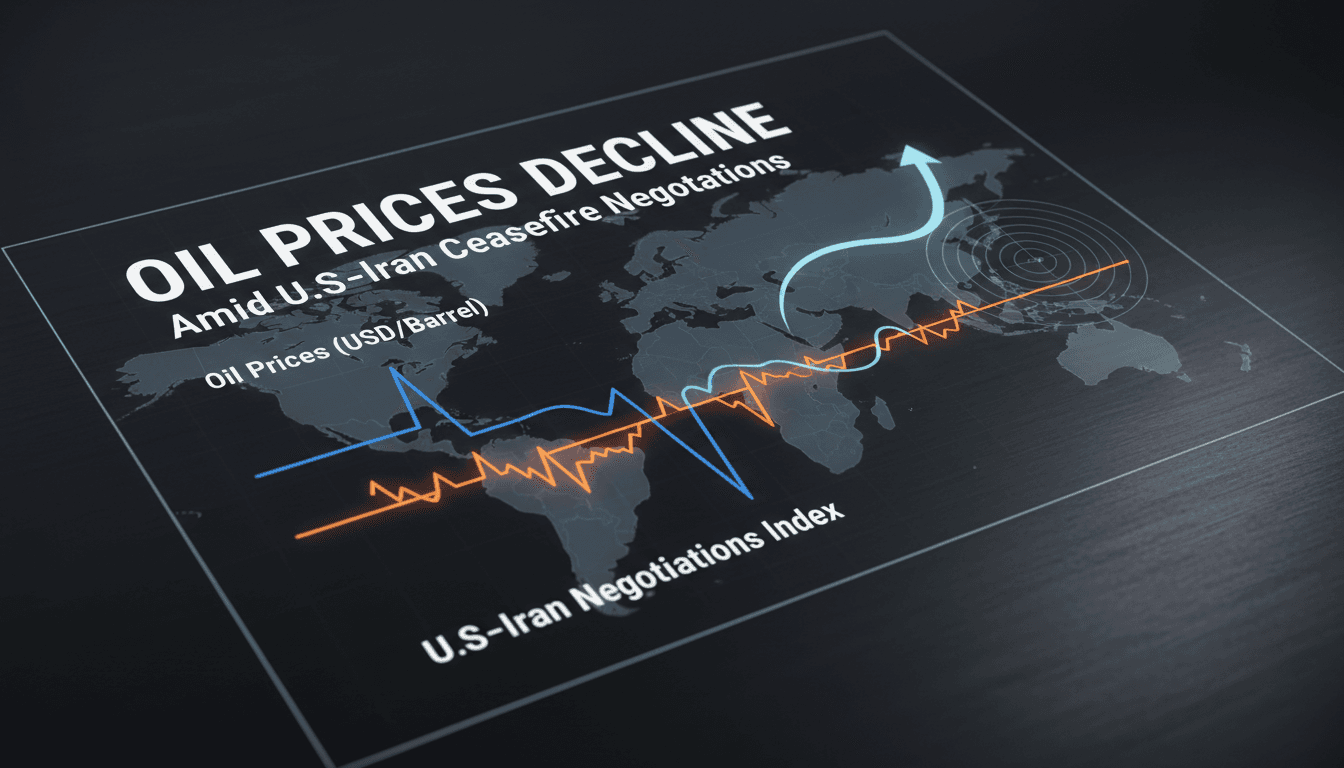
Here's what it means for you.
The recent decline in oil prices signals a shift in market sentiment driven by geopolitical developments. As hopes for a ceasefire between the U.S. and Iran emerge, the oil market may experience increased stability, which could benefit consumers and businesses alike. However, ongoing tensions and threats in the region, particularly from groups like the Houthis, continue to pose risks to supply. Market participants should remain vigilant as negotiations unfold, as any positive outcomes could further influence oil prices. The interplay between diplomatic efforts and regional security will be crucial in shaping the future of oil supply and pricing.
What happened
Oil prices have edged lower amid emerging hopes for a ceasefire between the U.S. and Iran. This decline follows recent statements from U.S. officials indicating that Iran will face consequences for the death of U.S. service members. The market is reacting to these geopolitical tensions, which have contributed to fluctuations in oil prices.
As negotiations between the U.S. and Iran continue, the potential for a diplomatic resolution could alleviate supply concerns in the Middle East. The situation remains fluid, with market volatility reflecting the uncertainty surrounding these discussions.
The Context
The backdrop of this situation involves ongoing tensions between the U.S. and Iran, particularly regarding Iran's actions that have resulted in U.S. casualties. U.S. officials have made it clear that there will be repercussions for Iran, which adds a layer of complexity to the negotiations. Additionally, the Houthi threat in the region continues to pose risks to oil supply stability, further complicating the landscape.
The oil market is sensitive to these developments, as any shifts in U.S.-Iran relations can significantly impact supply dynamics. The interplay of geopolitical factors and market reactions underscores the importance of monitoring these negotiations closely.
Takeaway
Looking ahead, market participants should keep a close eye on U.S.-Iran negotiations for potential impacts on oil supply. Further statements from U.S. officials regarding Iran's actions will also be critical in shaping market sentiment. The outlook for oil prices remains uncertain, but any positive developments in diplomatic relations could stabilize the market.
As the situation evolves, the oil market will continue to reflect the delicate balance between geopolitical tensions and hopes for resolution. Stakeholders must remain alert to the implications of these developments on supply and pricing.
Markets desk coverage, trading insights, and investor updates.
"WSJ’s markets reporting provides in-depth analysis and context for investors."
— A47 Editor
Oil Edges Lower Amid Hopes of New U.S.-Iran Ceasefire
Oil prices edged lower in early Asian trade amid emerging hopes for a new ceasefire between the U.S. and Iran, which could alleviate concerns over potential supply disruptions in the Middle East. This development follows a week of significant volatil...
Oil, metals, and agriculture: supply/demand headlines, OPEC chatter, inventories, and price action.
"Solid tape for energy and metals traders tracking macro and micro catalysts."
— A47 Editor
Oil rises about 1% as Trump says Iran will ’pay’ for death of U.S. service members
Oil prices rose approximately 1% following President Donald Trump's statement that Iran would 'pay' for the deaths of U.S. service members, reflecting heightened tensions between the two nations. This increase comes amid ongoing military actions and ...
Regional and international reporting focused on Middle Eastern politics, diplomacy, and economics.
"Asharq Al-Awsat is a Saudi-owned international newspaper reflecting mainstream Gulf political perspectives."
— A47 Editor
Oil Steadies as Hopes of Renewed US-Iran Negotiations Offset Houthi Threat
Oil prices have steadied amid hopes for renewed negotiations between the United States and Iran, which have been overshadowed by ongoing threats from Houthi rebels. The situation remains fluid as military actions continue to escalate in the region, p...