
Euro zone bond yields decline sharply as oil prices fall
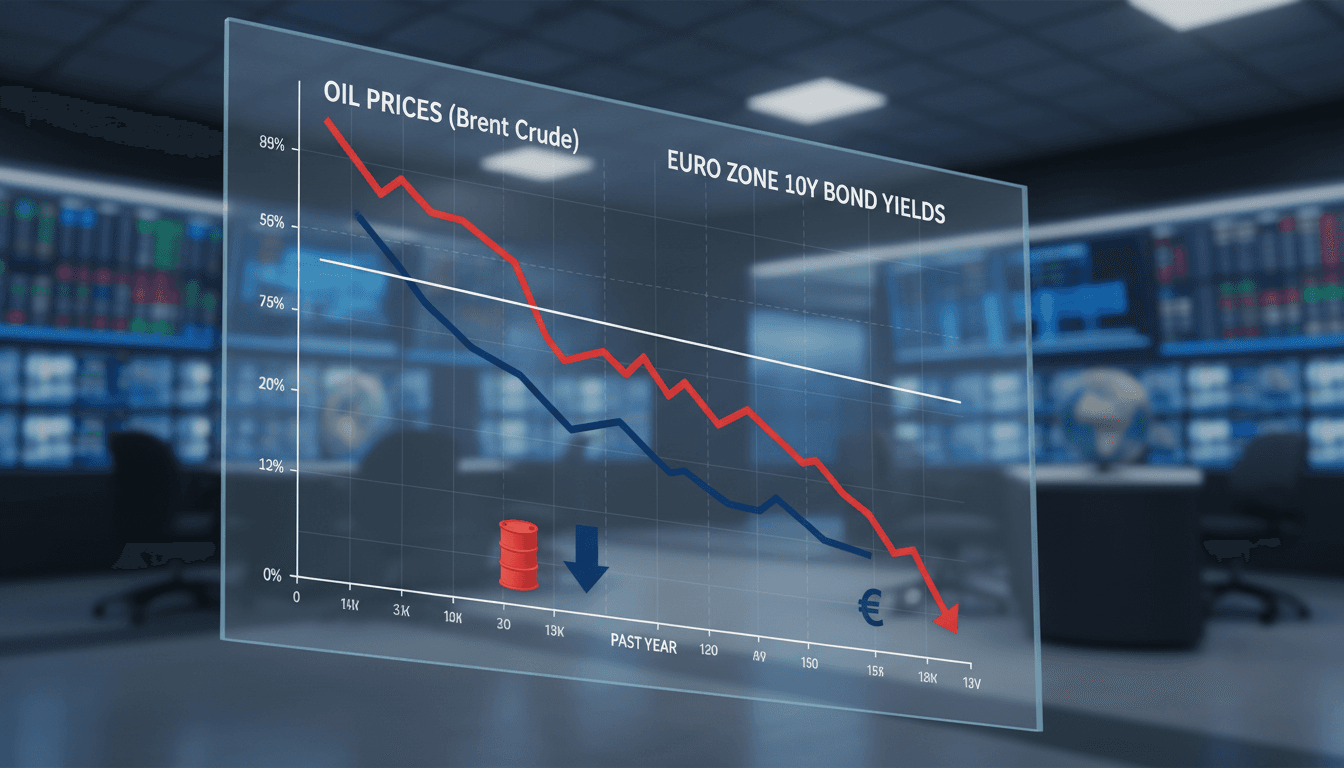
Here's what it means for you.
The recent decline in Euro zone bond yields signals a significant shift in market dynamics, primarily driven by falling oil prices. This development could influence investor confidence and economic stability in the region. As bond yields approach their lowest levels in over three months, stakeholders must remain vigilant regarding the ongoing fluctuations in energy costs. The relationship between oil prices and bond yields underscores the interconnectedness of global markets. Investors should prepare for potential volatility as these trends evolve.
What happened
Bond yields in the Euro zone have experienced a notable decline, marking the largest weekly drop in over a year. This decrease is primarily attributed to a significant fall in oil prices, which has impacted market sentiment. As oil prices reach their lowest levels, the bond market is reacting accordingly, with yields stabilizing near three-month lows.
The current trend reflects broader market reactions to fluctuating energy costs and their implications for economic indicators. As yields continue to decline, the Euro zone bond market faces a period of uncertainty.
The Context
The decline in Euro zone bond yields is significant, as it highlights the sensitive relationship between energy prices and financial markets. The recent drop in oil prices follows a period of gains that were influenced by geopolitical tensions, indicating a shift in market sentiment. Investors and policymakers alike are closely monitoring these developments, as they could have far-reaching implications for economic stability.
The timing of this decline is crucial, as it coincides with ongoing discussions about energy policy and economic recovery in the Euro zone. Stakeholders must consider how these factors will influence future market conditions and investor behavior.
Takeaway
As oil prices continue to fluctuate, the Euro zone bond market may experience further volatility. Investors should keep a close eye on oil price trends, as these will likely continue to impact bond yields in the near future. Additionally, upcoming economic reports could provide further insights into investor sentiment and market stability.
Monitoring these developments will be essential for understanding the broader economic landscape and making informed investment decisions.
Macro commentary, policy analysis, growth/inflation themes, and global outlooks.
"Contextual macro coverage that complements day-to-day market headlines."
— A47 Editor
Euro zone bond yields decline as oil prices drop
Euro zone bond yields have declined as oil prices have dropped, reflecting a shift in market dynamics influenced by geopolitical developments. This decrease in yields indicates a response to easing inflationary pressures and changing investor sentime...
Pan-Arab news coverage spanning politics, business, sports, and regional affairs.
"Asharq Al-Awsat reflects a broad Arab editorial perspective with strong attention to regional geopolitics."
— A47 Editor
عوائد سندات اليورو تتراجع وتتجه لأكبر انخفاض أسبوعي منذ أكثر من عام
Eurozone bond yields experienced a slight decline on Friday, continuing a trend towards the largest weekly drop in over a year, coinciding with a decrease in oil prices to their lowest levels.
Pan-Arab news coverage spanning politics, business, sports, and regional affairs.
"Asharq Al-Awsat reflects a broad Arab editorial perspective with strong attention to regional geopolitics."
— A47 Editor
عوائد سندات اليورو تستقر قرب أدنى مستوياتها في أكثر من 3 أشهر
Eurozone bond yields stabilized near their lowest levels in over three months on Thursday, following a significant drop in oil prices that erased all gains made during the conflict with Iran. This development reflects the ongoing volatility in the en...