
Chevron warns of rising oil prices due to Strait of Hormuz disruptions
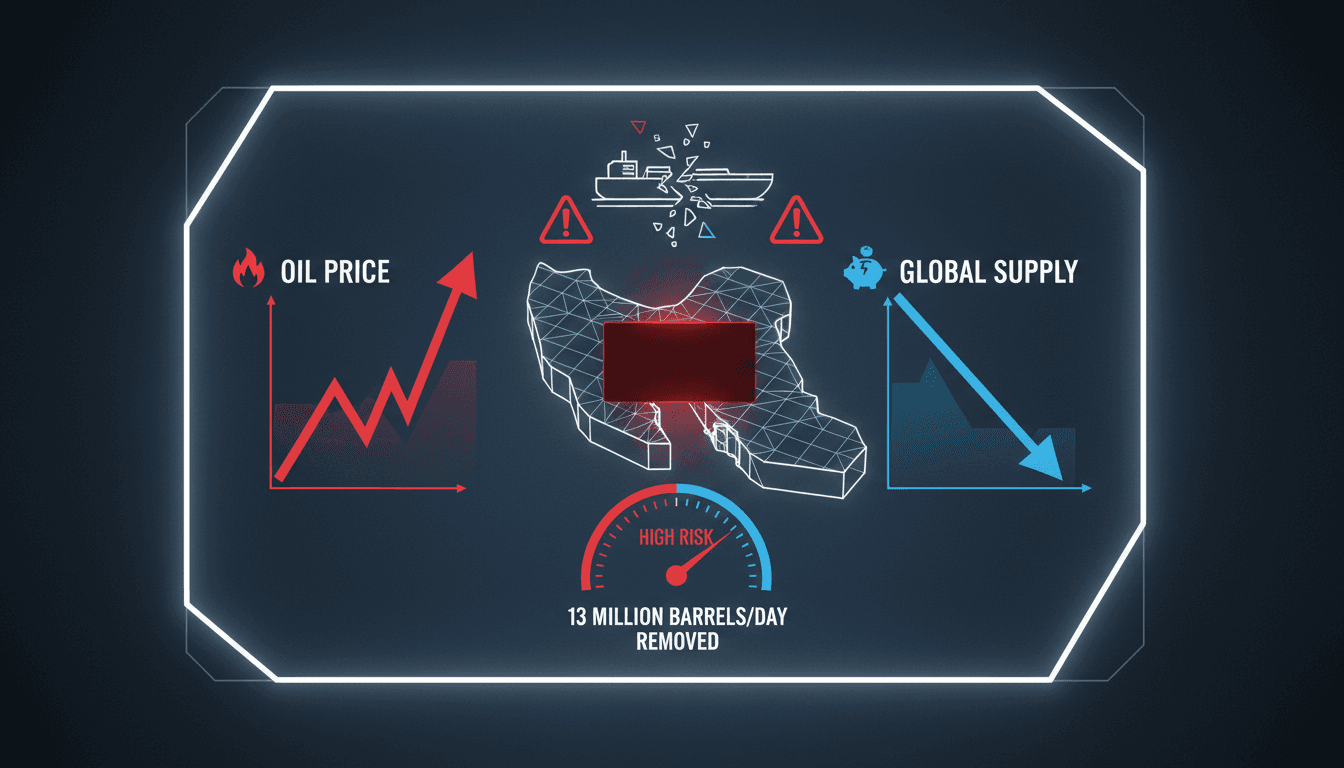
Here's what it means for you.
Chevron's CEO, Mike Wirth, has raised alarms about the potential for rising oil prices and fuel costs stemming from ongoing disruptions in the Strait of Hormuz. As the blockade linked to the war in Iran continues, the removal of up to 13 million barrels of oil daily from global markets poses significant risks to economic stability. Consumers and businesses should brace for potential increases in fuel and transportation costs as emergency reserves dwindle. The implications of these disruptions extend beyond immediate price hikes, potentially straining household budgets and business operations across the U.S. economy. As the situation evolves, stakeholders must remain vigilant to navigate the challenges ahead.
What happened
Chevron has issued warnings regarding the likelihood of rising fuel costs and oil prices due to supply disruptions associated with the ongoing conflict in Iran. The blockade in the Strait of Hormuz has significantly reduced global oil supplies, raising concerns about potential shortages. This situation has prompted Chevron's leadership to alert the market about the vulnerabilities in energy supply chains.
The company emphasizes that the energy markets are becoming increasingly susceptible as oil inventories decline. As a result, the impacts of these disruptions may soon be felt by everyday consumers, who could face higher costs at the pump.
The Context
The Strait of Hormuz is a critical oil transit route, and its disruption has removed a staggering 13 million barrels of oil per day from global markets. This blockade not only threatens the stability of oil prices but also raises alarms about the declining emergency oil reserves, which could exacerbate the energy crisis. The ongoing war in Iran has significant implications for one of the world's most vital oil routes, affecting both supply and pricing.
As the geopolitical landscape remains tense, the potential for further disruptions looms large. Stakeholders, including consumers and businesses, must prepare for the economic ramifications that could arise from these developments.
Takeaway
Looking ahead, it is crucial to monitor developments in the Strait of Hormuz and their impact on oil supply. The situation remains fluid, and continued geopolitical tensions could lead to further volatility in oil prices. Government responses to rising fuel costs and potential economic measures will also be critical in shaping the landscape for consumers and businesses alike.
As emergency reserves dwindle, the broader economic implications of these disruptions will likely become more pronounced in the coming months. Stakeholders should stay informed and ready to adapt to the evolving energy market.
Global markets, investing, and macroeconomics from a premier financial newsroom.
"Bloomberg is respected for in-depth financial reporting and data-driven analysis."
— A47 Editor
Chevron CEO Wirth on Oil Prices, Strait of Hormuz, Venezuela
Chevron CEO Mike Wirth discussed the implications of the ongoing conflict in Iran on oil prices and global supply during a recent interview, highlighting multiple attacks on vessels in the Strait of Hormuz and the company's stance on Venezuela. He ex...
Corporate finance news, M&A, deals, and executive interviews.
"Finance Monthly serves a professional readership with corporate finance coverage."
— A47 Editor
Chevron Warns Fuel Cost Pressure May Spread Across U.S. Economy
Chevron has issued a warning that rising fuel costs may exert pressure across the U.S. economy, as oil inventories decline and geopolitical tensions, particularly involving Iran, escalate. The company's CEO, Mike Wirth, highlighted the vulnerability ...
Editor-curated FT homepage stories spanning markets, business, world, and opinion.
"The Financial Times is a globally respected business publication with a centrist/center-left tone and strong markets focus."
— A47 Editor
Chevron CEO warns oil prices to jump over summer as supplies dwindle
Chevron's CEO has issued a warning that oil prices are expected to surge over the summer due to dwindling supplies, exacerbated by a blockade in the Strait of Hormuz that has removed up to 13 million barrels per day from global markets. This situatio...