
Canada shifts aluminium exports from US to Europe amid geopolitical tensions
Here's what it means for you.
The recent shift in Canada's aluminium exports from the U.S. to Europe highlights the significant impact of geopolitical tensions on global trade dynamics. With a 50% tariff imposed by the U.S., Canadian exporters are seizing the opportunity to capitalize on higher premiums in European markets. This strategic pivot not only reflects immediate market responses but also suggests a long-term realignment of supply chains in the aluminium sector. As Canada strengthens its position as a key supplier to Europe, businesses and policymakers must remain vigilant about the evolving landscape of international trade. The implications of these changes could resonate across various industries reliant on aluminium, influencing pricing and availability.
What happened
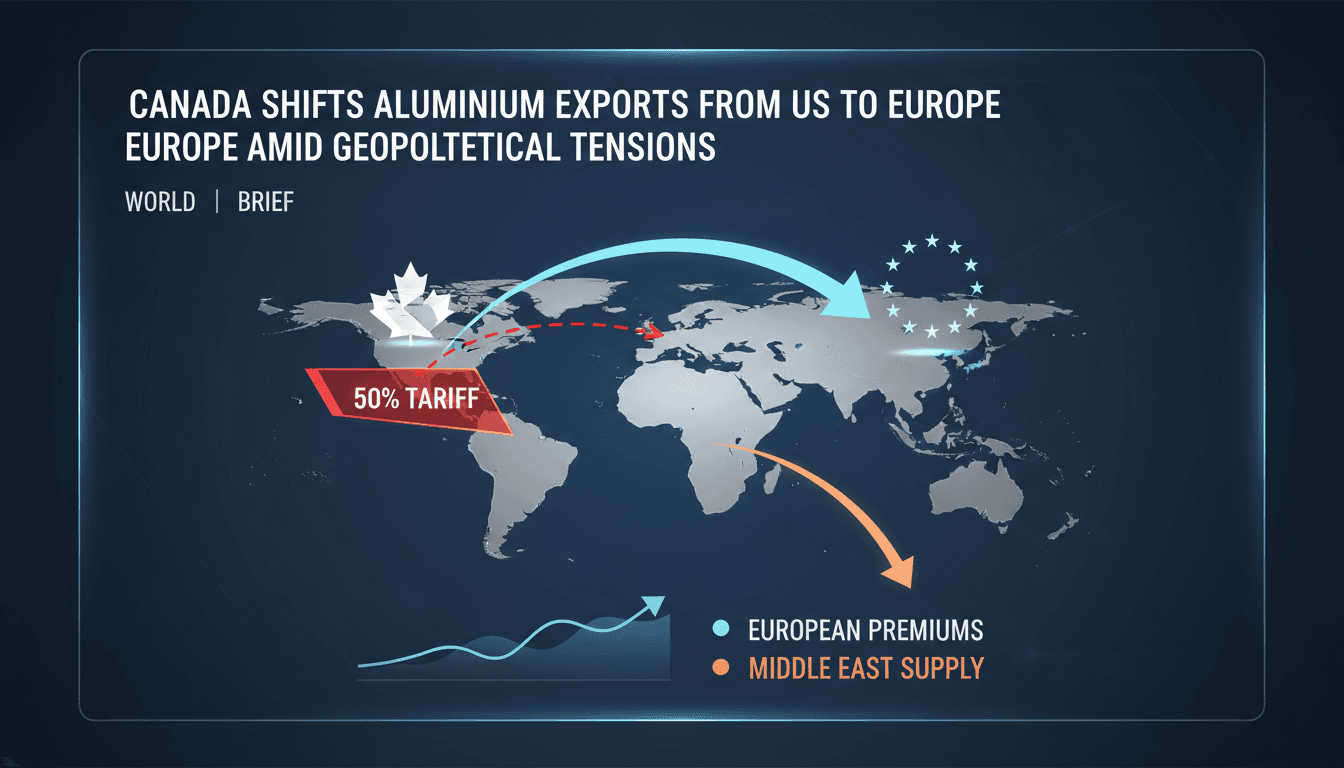
Canada is redirecting its aluminium exports to Europe in response to a 50% tariff imposed by the U.S. last year. This decision is driven by increased demand and higher premiums in European markets, making it a more attractive destination for Canadian aluminium. Additionally, the ongoing Iran war has disrupted aluminium supply from the Middle East, further intensifying competition for low-carbon aluminium.
As of May 2026, Canada is actively increasing its aluminium shipments to Europe, marking a significant shift in trade dynamics. This move underscores the interconnectedness of global markets and the influence of geopolitical events on trade routes.
The Context
The U.S. imposed a 50% tariff on aluminium last year, which has significantly affected trade dynamics between Canada and the U.S. The ongoing Iran war has compounded these challenges by disrupting aluminium supply from the Middle East, creating a vacuum that Canadian exporters are now poised to fill. Higher premiums in Europe are incentivizing this shift, as Canadian exporters seek to maximize their profits in a changing market.
This strategic pivot not only reflects immediate market responses but also indicates a potential long-term realignment of supply chains in the aluminium sector. Stakeholders in both Canada and Europe are closely monitoring these developments, as they could reshape the competitive landscape of the aluminium market.
Takeaway
As global aluminium markets evolve, Canada may continue to seek new opportunities in Europe amidst changing geopolitical landscapes. The impact of U.S. tariffs on Canadian aluminium exports will be crucial to watch, as will potential shifts in European aluminium pricing due to supply changes. Analysts suggest that policy and pricing will play a significant role in determining future shipping routes and market dynamics.
The aluminium market is likely to remain volatile as geopolitical factors continue to influence supply chains and pricing. Canada's strategic shift could solidify its role as a key supplier to Europe, making it essential for industry stakeholders to stay informed about these developments.
English-language news from Qatar covering domestic and regional affairs.
"Gulf Times reflects Qatari perspectives on regional developments."
— A47 Editor
Canada turns from US to Europe as war propels aluminium higher
Canada is shifting its aluminium exports towards Europe in response to a 50% tariff imposed by the United States last year, which has prompted Canadian producers to seek higher premiums available in the European market. This strategic pivot aims to m...
Key macro releases (CPI, jobs, PMIs), surprise indexes, and market implications.
"Great for data-print awareness and instant read-through to rates and risk assets."
— A47 Editor
Analysis-Canada turns from US to Europe as Iran war propels aluminium higher
Canada is shifting its focus from the US to Europe as the ongoing conflict in Iran drives up aluminium prices, reflecting a significant change in market dynamics. This transition is influenced by geopolitical tensions that are reshaping trade relatio...
Regional coverage and analysis focused on politics, diplomacy, and business across the Middle East.
"Al-Monitor is known for analytical reporting on Middle East politics and policy developments."
— A47 Editor
Analysis-Canada turns from US to Europe as Iran war propels aluminium higher
Canada is shifting its aluminium exports towards Europe in response to increased premiums and a 50% tariff imposed by the United States last year. The ongoing Iran war has disrupted Middle Eastern aluminium supplies, significantly impacting Europe an...