
EU imposes sanctions on Russian individuals and entities linked to cyber-espionage
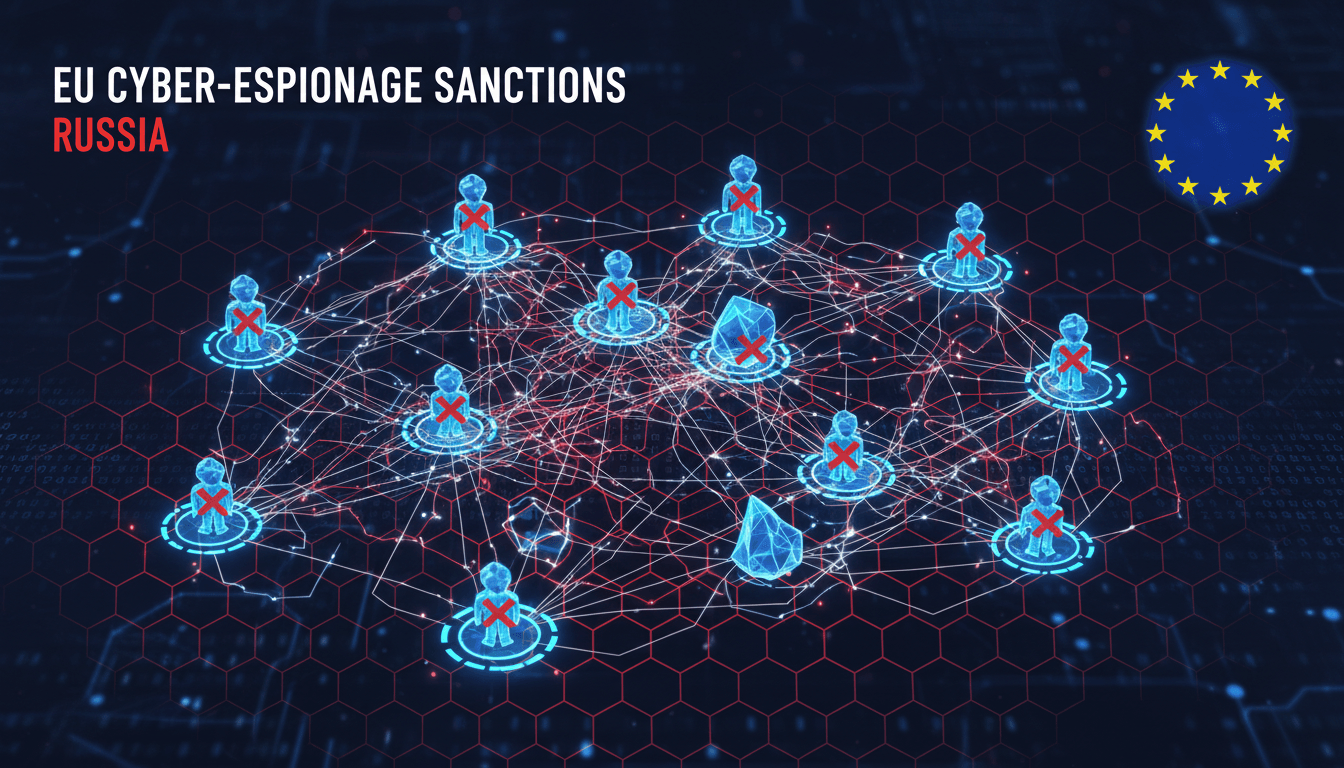
Here's what it means for you.
The European Union's recent sanctions against Russian individuals and entities signal a decisive shift in its cybersecurity strategy. By targeting the broader cyber apparatus, the EU aims to disrupt systemic support for cyber-espionage activities. This move reflects heightened international tensions and a commitment to combat cybercrime and human rights abuses linked to Russia. As these sanctions unfold, businesses and governments may need to reassess their cybersecurity measures and prepare for potential retaliatory actions from Russia. The implications of these sanctions extend beyond immediate cybersecurity concerns, potentially affecting international relations and market stability.
What happened
The European Union has imposed sanctions on nine individuals and four entities connected to a long-standing Russian cyber-espionage campaign. This action, announced on July 13, 2026, marks a significant escalation in the EU's approach to addressing cyber threats. The targeted individuals are associated with Moscow's Federal Security Service, which has been implicated in various cyber operations since 2010.
In a parallel move, the United Kingdom has also imposed sanctions, expanding the list to 24 individuals and entities involved in similar cyber activities. This coordinated effort underscores the seriousness of the threat posed by Russian cyber operations and the EU's commitment to countering it.
The Context
The sanctions are part of a broader strategy to combat cybercrime and human rights abuses linked to Russia. The EU's High Representative, Kaja Kallas, emphasized the need to address the entire ecosystem of Russian cyber operations, indicating a comprehensive approach to cybersecurity. The ongoing cyber-espionage activities have reportedly been in play since at least 2010, highlighting the long-term nature of this threat.
This development comes amid escalating international tensions, making it a critical moment for cybersecurity policy. The EU's actions reflect a growing recognition of the need for robust measures to protect against cyber threats that undermine both national security and human rights.
Takeaway
The EU's recent sanctions signal a more comprehensive strategy against cyber threats emanating from Russia. As the EU and UK strengthen their sanctions, it is likely that tensions will escalate, prompting further international dialogue on cybersecurity. Stakeholders should remain vigilant for potential retaliatory measures from Russia in response to these actions.
Future developments in international cooperation on cybersecurity will be crucial to addressing the evolving landscape of cyber threats. The situation warrants close monitoring as it unfolds, with implications for both policy and market dynamics.
Opinionated AI coverage for general audiences.
"TNW’s AI vertical covering tools, ethics, and trends."
— A47 Editor
The EU has stopped sanctioning Russian hackers and started sanctioning the machine that makes them
The European Union and the United Kingdom have jointly imposed sanctions on Russia's cyber apparatus, marking a significant shift in their approach to cybersecurity threats. The EU has targeted nine individuals and four entities, while the UK has exp...
Regional and international reporting focused on Middle Eastern politics, diplomacy, and economics.
"Asharq Al-Awsat is a Saudi-owned international newspaper reflecting mainstream Gulf political perspectives."
— A47 Editor
EU Imposes Sanctions on Russians over Human Rights and Cybercrime
The European Union has imposed sanctions on Russian individuals and entities in response to ongoing human rights violations and cybercrime attributed to Russia. This action reflects the EU's commitment to addressing serious breaches of international ...
Global news coverage with extensive reporting on Middle Eastern conflicts and geopolitics.
"Al Jazeera is a Qatar-based broadcaster known for wide regional coverage and alternative perspectives."
— A47 Editor
EU sanctions nine people over alleged Russian cyber-spying campaign
The European Union has announced sanctions against nine individuals and four entities linked to an alleged cyber-espionage campaign attributed to Russia, marking a significant escalation in the EU's response to ongoing cyber threats.
Comprehensive coverage of Middle Eastern and global issues.
"Al Jazeera is a prominent voice from the Global South, especially the Middle East, with an emphasis on underreported stories."
— A47 Editor
EU sanctions nine people over alleged Russian cyber-spying campaign
The European Union has announced sanctions against nine individuals and four entities linked to an alleged cyber-espionage campaign attributed to Russia, marking a significant escalation in the EU's response to ongoing cyber threats.
Curated tech headlines including AI stories.
"Influential aggregator surfacing the day’s top tech/AI links."
— A47 Editor
The EU blacklists Russian intelligence group members it says were responsible for spying on and hacking targets across the EU and Ukraine from as early as 2010 (Politico)
The European Union has blacklisted members of a Russian intelligence group, attributing to them a series of cyber espionage and hacking activities targeting various entities across the EU and Ukraine since at least 2010. The EU claims that these oper...