
China launches overnight reverse repo tool injecting $44 billion into financial system
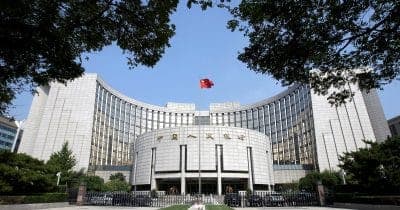
Here's what it means for you.
China's introduction of the overnight reverse repo tool signifies a strategic shift in its monetary policy framework. By injecting $44 billion into the financial system, the People's Bank of China aims to enhance liquidity and stabilize market conditions. This move is expected to influence both domestic and international investor sentiment, potentially leading to a more precise management of monetary policy. The implementation of this tool at an interest rate of 1.25% aligns China's practices with global standards, providing clarity to market participants. As the financial landscape evolves, this development will be closely monitored for its broader implications.
What happened
China has debuted its overnight reverse repo operation, injecting a substantial $44 billion into the financial system. This operation is designed to enhance monetary policy precision and stabilize short-term liquidity amid current market conditions. The interest rate for this operation has been set at 1.25%, marking a significant step in China's monetary policy toolkit.
This is the first time China has conducted an overnight reverse repo operation, indicating a new approach to managing liquidity. The move reflects a proactive stance by the People's Bank of China to address market needs effectively.
The Context
The overnight reverse repo tool represents a new monetary policy instrument for China, aligning its practices with global standards in liquidity management. This initiative comes at a time when market conditions necessitate intervention to stabilize financial systems. By providing a clear interest rate, the central bank aims to foster confidence among market participants.
The introduction of this tool is significant not only for domestic markets but also for international investors who are closely watching China's monetary policy evolution. The timing of this operation suggests a strategic response to current economic challenges, emphasizing the importance of effective liquidity management.
Takeaway
The introduction of the overnight reverse repo tool may lead to more effective monetary policy management in China. Observers should monitor the impact of this liquidity injection on interbank lending rates, as it could signal shifts in market dynamics. Additionally, changes in global investor sentiment towards Chinese markets will be crucial to watch in the coming weeks.
As China refines its monetary policy tools, the effectiveness of this operation will be a key indicator of its ability to navigate economic challenges. The implications of this move will resonate beyond China's borders, influencing international financial landscapes.
Research, news, and analysis on blockchain startups, DeFi, and regulations.
"Crypto Briefing provides research, news, and analysis on blockchain startups, DeFi, and crypto regulations with investor-focused coverage."
— A47 Editor
China debuts overnight reverse repos at 1.25%, injecting $44 billion in liquidity
China has introduced an overnight reverse repo tool at an interest rate of 1.25%, injecting $44 billion into the financial system to enhance monetary policy precision and stabilize short-term liquidity. This move aligns with global monetary practices...
Macro commentary, policy analysis, growth/inflation themes, and global outlooks.
"Contextual macro coverage that complements day-to-day market headlines."
— A47 Editor
China debuts overnight reverse repos at 1.25%, sources say
China has introduced overnight reverse repos at an interest rate of 1.25%, marking a significant shift in its monetary policy aimed at managing short-term borrowing costs. This move is part of the People's Bank of China's broader strategy to enhance ...
Research, news, and analysis on blockchain startups, DeFi, and regulations.
"Crypto Briefing provides research, news, and analysis on blockchain startups, DeFi, and crypto regulations with investor-focused coverage."
— A47 Editor
China’s central bank conducts debut overnight reverse repo operation without disclosing interest rate
China's central bank has conducted its first overnight reverse repo operation without disclosing the interest rate, introducing short-term uncertainty into the financial markets. This move is seen as a response to ongoing economic challenges, particu...