
US consumer sentiment improves slightly amid ongoing inflation concerns
Here's what it means for you.
The recent uptick in US consumer sentiment signals a momentary reprieve for households grappling with high living costs. Lower gasoline prices have provided some relief, but the overall sentiment remains fragile, indicating that consumers are still wary of future economic conditions. This shift could influence spending patterns, particularly in sectors sensitive to consumer confidence. As inflationary pressures persist, the trajectory of consumer sentiment will be closely monitored by policymakers and market analysts alike. Understanding these dynamics is crucial for anticipating shifts in consumer behavior and economic growth.
What happened
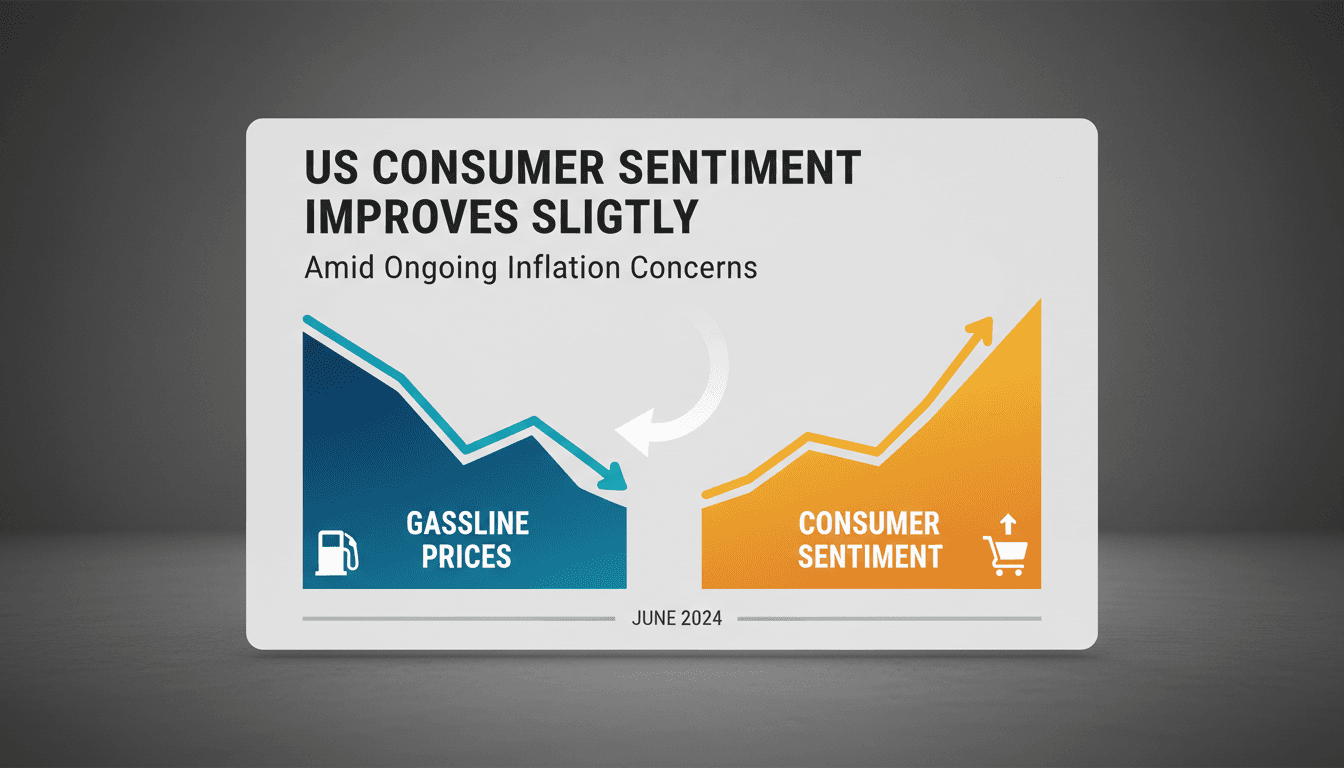
In June, US consumer sentiment showed signs of improvement, primarily driven by moderating gasoline prices. This increase comes as consumers experience some relief from the persistent inflation that has characterized the economy in recent months. Despite this rise, sentiment remains near record lows, highlighting ongoing concerns about the high cost of living.
The University of Michigan’s monthly survey indicates that while lower gasoline prices have alleviated some inflationary pressures, overall consumer confidence continues to be affected by the broader economic landscape. The sentiment improvement reflects a temporary boost rather than a sustained recovery.
The Context
Consumer sentiment is a critical indicator of economic health, influencing spending and investment decisions. The recent improvement in sentiment is tied to fluctuations in gasoline prices, which have a direct impact on household budgets. However, the persistent worries about inflation and the high cost of living suggest that consumer confidence remains fragile.
Stakeholders, including policymakers and businesses, are closely watching these trends as they navigate the complexities of the current economic environment. The Federal Reserve's monetary policy decisions will also play a significant role in shaping future consumer sentiment and spending behavior.
Takeaway
Looking ahead, it will be essential to monitor gasoline price trends and their impact on consumer behavior. Additionally, the Federal Reserve's responses to ongoing inflation data will be crucial in determining the trajectory of consumer sentiment. As inflationary pressures continue, the interplay between commodity prices and consumer confidence will remain a focal point for analysts and policymakers.
Understanding these dynamics will provide insights into potential shifts in consumer spending patterns, which could have broader implications for economic growth.
Global markets, investing, and macroeconomics from a premier financial newsroom.
"Bloomberg is respected for in-depth financial reporting and data-driven analysis."
— A47 Editor
US Consumer Sentiment Rises But Remains Near Record Low
US consumer sentiment rose in June, attributed to lower gasoline prices, providing some relief for Americans facing high inflation. Despite this increase, sentiment remains close to record lows, indicating ongoing economic challenges.
Social/economic commentary and analysis relevant to business and markets.
"WSJ blends data-driven economic insight with commentary on policy and society."
— A47 Editor
Consumer Sentiment Improves in June as Gasoline Prices Moderate
Consumer sentiment in the U.S. showed improvement in June, rising from recent record lows as gasoline prices moderated, according to the University of Michigan's monthly survey. This marks a notable shift from the previous months, where consumer conf...
Macro commentary, policy analysis, growth/inflation themes, and global outlooks.
"Contextual macro coverage that complements day-to-day market headlines."
— A47 Editor
US consumer sentiment improves in June, concerns of high cost of living remain
US consumer sentiment showed improvement in June, driven by lower gasoline prices, which provided some relief amid ongoing concerns about high living costs and inflation. Despite this rise, sentiment remains near record lows, reflecting persistent ec...