
Traffic through the Strait of Hormuz reaches post-war high impacting European gas prices
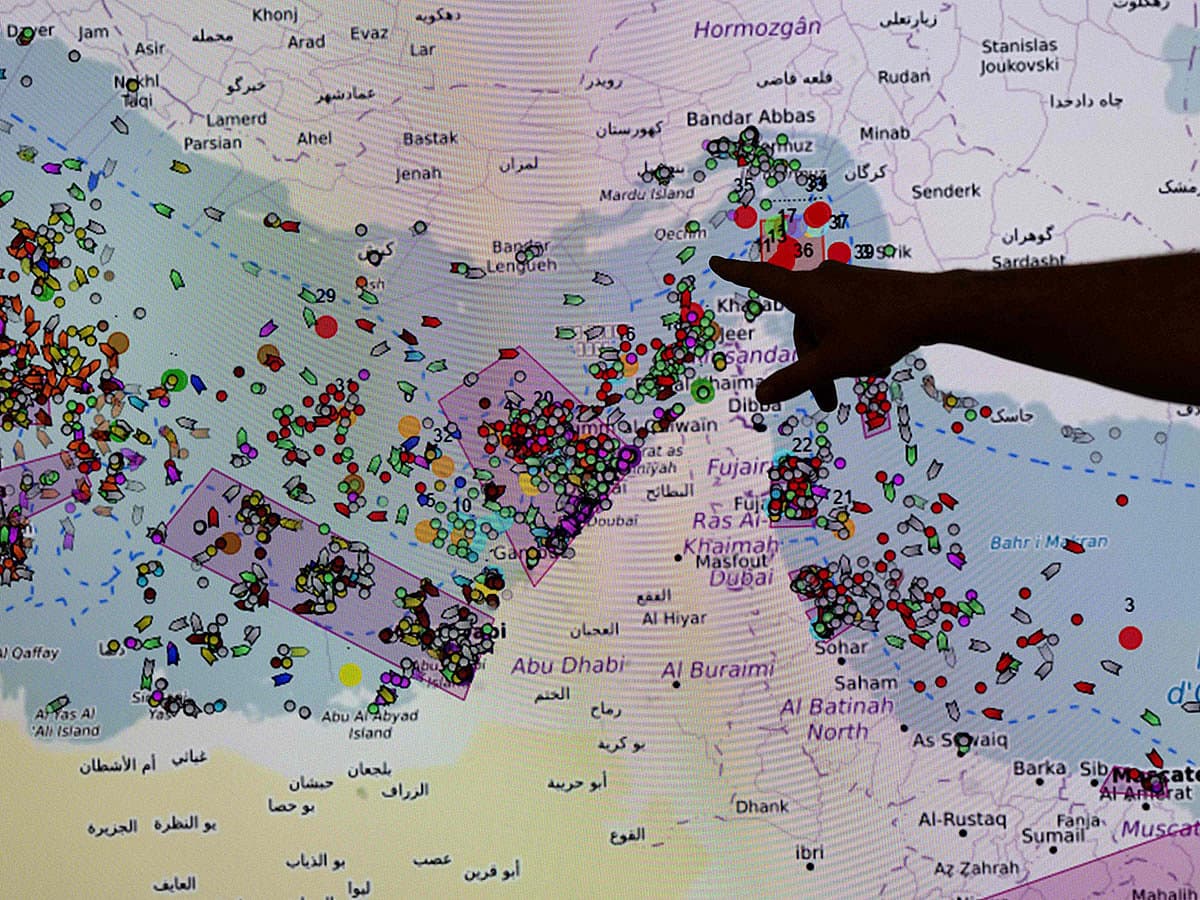
Here's what it means for you.
The surge in traffic through the Strait of Hormuz signals a significant shift in the energy market, particularly affecting European gas prices. As maritime activity increases, investors are responding positively, leading to a notable decline in oil prices. However, the ongoing geopolitical tensions in the region introduce a layer of uncertainty that could impact future energy flows and pricing stability. This situation underscores the delicate balance between supply dynamics and geopolitical factors, making it crucial for stakeholders to remain vigilant. The developments in Hormuz will likely influence investor strategies and market reactions in the coming weeks.
What happened
Traffic in the Strait of Hormuz has reached a post-war high, coinciding with a decline in European gas prices. This increase in maritime activity is attributed to recent peace talks that have positively influenced investor sentiment regarding oil flows. As a result, oil prices have fallen by 1%, reflecting the market's reaction to these changes.
Despite the uptick in traffic, the region remains fraught with geopolitical tensions that could affect future energy markets. The interplay between increased shipping activity and ongoing instability presents a complex scenario for energy stakeholders.
The Context
The Strait of Hormuz is a critical chokepoint for global oil and gas shipments, making its stability vital for energy markets worldwide. Recent peace talks have fostered a more optimistic outlook among investors, encouraging increased maritime activity. However, the persistent geopolitical tensions in the region continue to create uncertainty regarding the stability of oil flows.
As traffic through Hormuz rises, the implications for European gas prices and global energy markets become increasingly significant. Stakeholders must navigate this evolving landscape, balancing the benefits of increased supply against the risks posed by regional instability.
Takeaway
The ongoing situation in the Strait of Hormuz will likely continue to influence global energy markets and investor strategies. Monitoring developments in peace talks and their impact on regional stability will be essential for understanding future price fluctuations. As traffic patterns evolve, stakeholders should remain alert to potential shifts in oil prices and supply dynamics.
The energy market's sensitivity to geopolitical developments suggests that the situation in Hormuz will be a key factor in shaping pricing and supply stability in the near future.
Oil, metals, and agriculture: supply/demand headlines, OPEC chatter, inventories, and price action.
"Solid tape for energy and metals traders tracking macro and micro catalysts."
— A47 Editor
Europe gas extends fall as Hormuz traffic ramps up
European gas prices have continued to decline as traffic through the Strait of Hormuz increases, reflecting ongoing geopolitical developments that influence energy markets. This situation has led to a cautious market sentiment as traders assess the i...
UAE-based newspaper covering Gulf politics, society, and international developments.
"Gulf News is one of the UAE’s most prominent English-language publications."
— A47 Editor
Hormuz traffic hits post-war high, uncertainty persists
Traffic through the Strait of Hormuz has reached a post-war high, reflecting a significant increase in maritime activity despite ongoing geopolitical uncertainties. This development comes as the region anticipates the reopening of the strait followin...
A curated Gulf News feed featuring major stories across news, business, opinion, and lifestyle.
"Gulf News is a major UAE newspaper whose featured stories feed reflects a broad editorial mix shaped for a Gulf audience."
— A47 Editor
Hormuz traffic hits post-war high, uncertainty persists
Traffic through the Strait of Hormuz has reached a post-war high, reflecting a significant increase in maritime activity despite ongoing geopolitical uncertainties. This development comes as the region anticipates the reopening of the strait followin...
Regional and international reporting focused on Middle Eastern politics, diplomacy, and economics.
"Asharq Al-Awsat is a Saudi-owned international newspaper reflecting mainstream Gulf political perspectives."
— A47 Editor
Oil Falls 1% as Investors Focus on Hormuz Flows after Peace Talks
Oil prices fell by 1% as investors shifted their focus to the flow of oil through the Strait of Hormuz following recent peace talks. This decline reflects ongoing market reactions to geopolitical developments that could impact crude supply routes.