
US and Iran reach interim deal triggering global market rally
Here's what it means for you.
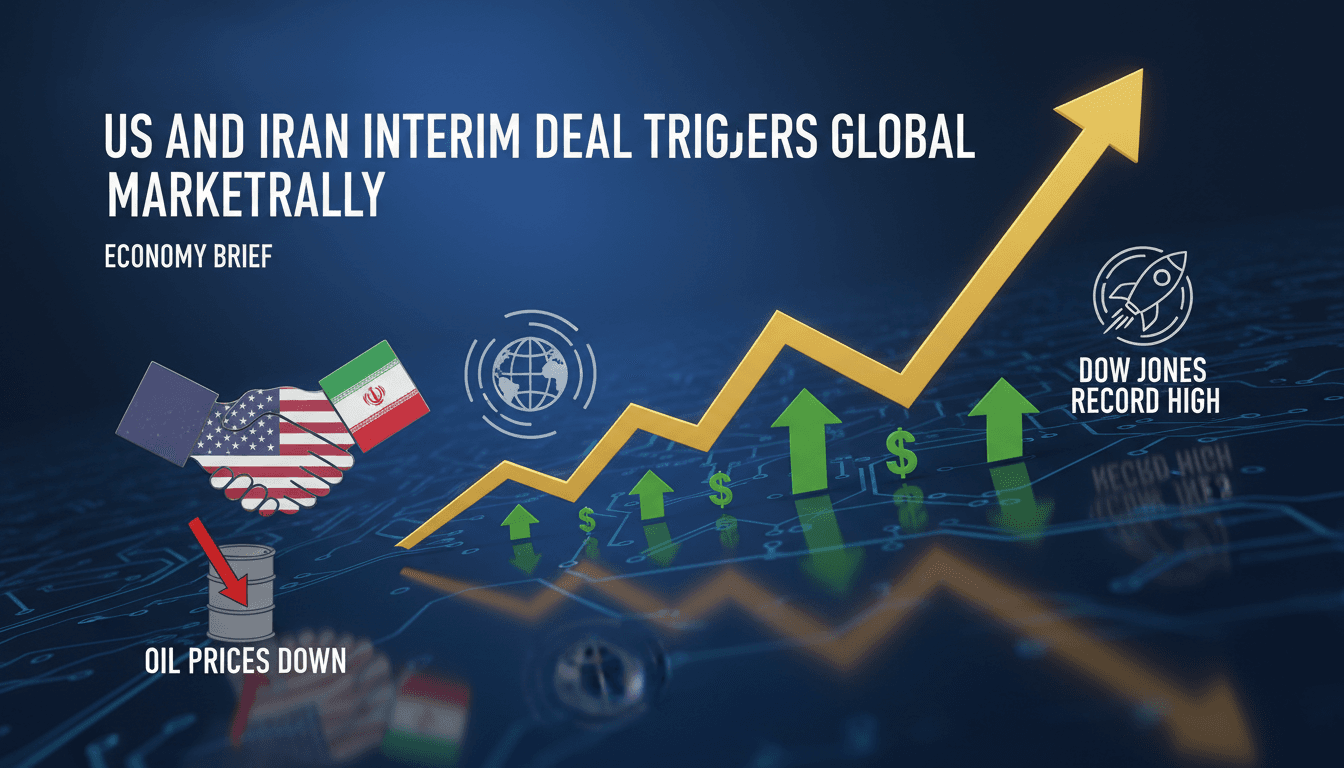
The recent interim deal between the US and Iran has significantly impacted global markets, particularly boosting investor confidence in the US. With the Dow Jones Industrial Average reaching a record high of 35,000, this agreement is seen as a stabilizing factor in the geopolitical landscape. Lower oil prices resulting from the deal are expected to benefit both consumers and businesses alike. As diplomatic relations evolve, the market's positive response suggests that further developments could continue to influence economic conditions. Stakeholders should remain vigilant as these changes unfold.
What happened
Global markets surged following the announcement of an interim deal between the US and Iran. This agreement has led to a notable decline in oil prices, which has positively impacted investor sentiment across various sectors. The Dow Jones Industrial Average closed at a record high of 35,000, reflecting strong market confidence.
The rally in stocks and bonds was significant, with most Gulf markets also experiencing gains due to the positive sentiment stemming from the Iran deal. This development marks a pivotal moment in the ongoing diplomatic relations between the two nations.
The Context
The US-Iran deal is viewed as a crucial stabilizing factor in the geopolitical landscape, particularly in a region often marked by tension. The timing of this agreement comes at a moment when lower oil prices are expected to provide relief to consumers and businesses, enhancing overall economic stability. Investor confidence has been bolstered, leading to substantial gains in both stocks and bonds.
As the situation develops, the implications of this deal extend beyond immediate market reactions, potentially influencing broader economic conditions. The evolving diplomatic relations between the US and Iran will be closely monitored by stakeholders across various sectors.
Takeaway
The positive market response to the US-Iran interim deal suggests that further diplomatic efforts could continue to shape economic conditions. Stakeholders should keep an eye on potential developments in US-Iran relations, as these could lead to further market fluctuations. Changes in oil prices will also be critical to watch, given their direct impact on global markets.
As the geopolitical landscape evolves, markets may react positively or negatively based on new developments. The ongoing dialogue between the two nations will be pivotal in determining future economic stability.
Macro commentary, policy analysis, growth/inflation themes, and global outlooks.
"Contextual macro coverage that complements day-to-day market headlines."
— A47 Editor
Wall Street rallies, Dow ends with record on US-Iran deal, oil price slide
Wall Street experienced a significant rally on June 15, 2026, with the Dow Jones Industrial Average reaching a record high following the announcement of an interim peace deal between the United States and Iran. This agreement is expected to ease geop...
Regional and international reporting focused on Middle Eastern politics, diplomacy, and economics.
"Asharq Al-Awsat is a Saudi-owned international newspaper reflecting mainstream Gulf political perspectives."
— A47 Editor
Most Gulf Markets Gain on Iran Deal
Most Gulf markets experienced gains following a significant peace deal between the United States and Iran, which aims to open the strategically vital Strait of Hormuz and extend a ceasefire. This agreement marks a pivotal moment in reducing regional ...
Global markets, investing, and macroeconomics from a premier financial newsroom.
"Bloomberg is respected for in-depth financial reporting and data-driven analysis."
— A47 Editor
Stocks and Bonds Rally on Interim US-Iran Deal
The announcement of an interim peace deal between the United States and Iran has led to a significant rally in stocks and bonds, reflecting a positive shift in market sentiment. This development is seen as a crucial step towards easing geopolitical t...