
Saudi Arabia Restarts Oil Exports After Four-Month Suspension
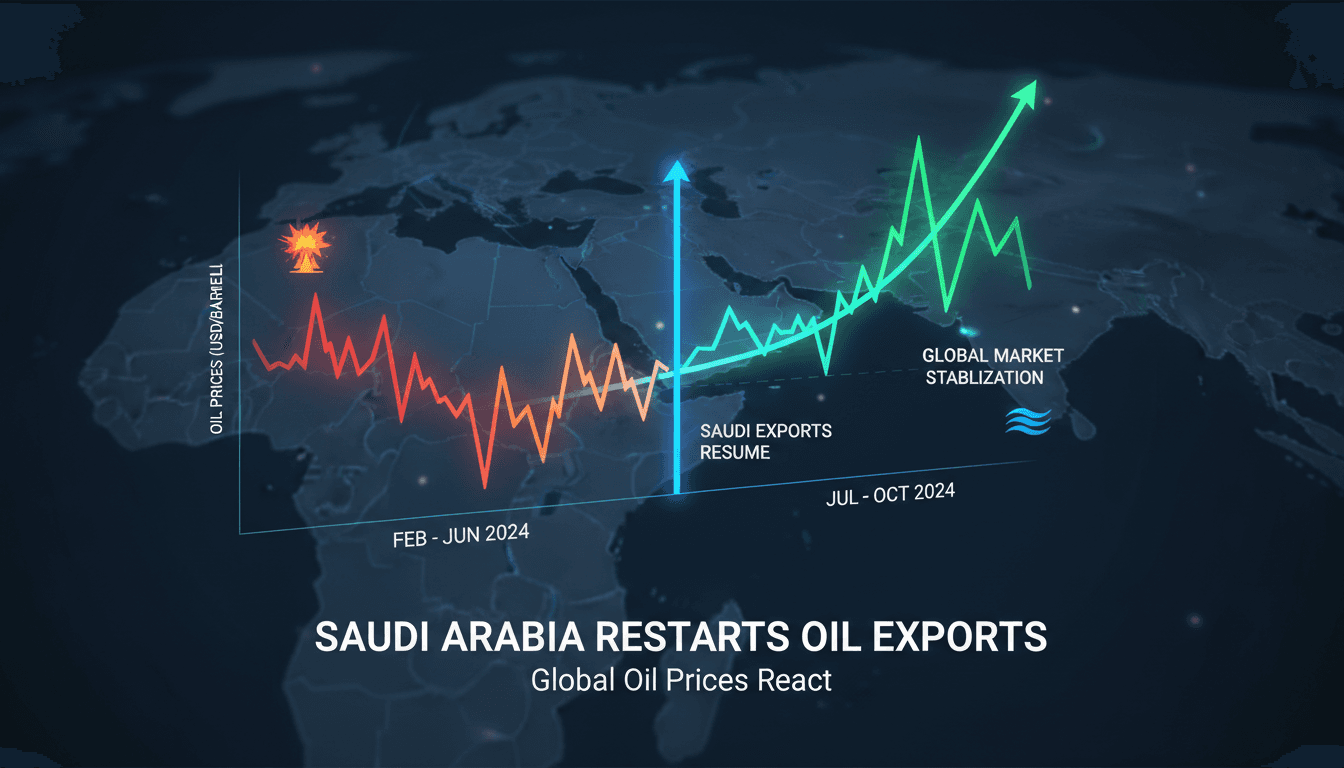
Here's what it means for you.
The resumption of oil exports from Saudi Arabia is a significant development for global markets, particularly in light of recent geopolitical tensions. By reopening its Persian Gulf ports and increasing loadings at Red Sea terminals, Saudi Arabia aims to stabilize oil supply chains that have been disrupted. This strategic shift could lead to more predictable oil prices, benefiting both consumers and businesses reliant on stable energy costs. As the situation evolves, stakeholders in the energy sector should closely monitor the implications of these changes on global oil supply and pricing dynamics. The ongoing geopolitical landscape will continue to play a crucial role in shaping market responses.
What happened
Saudi Arabia has restarted crude loadings at a major Gulf terminal after a four-month suspension. This decision comes in the wake of disruptions caused by the Iran war, which had previously halted operations at key oil export facilities. The country is now ramping up crude loadings at its Red Sea terminals, allowing it to bypass the strategically significant Strait of Hormuz.
Two supertankers have already begun loading crude at the Aramco-operated terminal, marking a significant step in restoring Saudi Arabia's oil export capabilities. This resumption is expected to have a positive impact on global oil markets, which have been affected by previous disruptions.
The Context
The reopening of Gulf ports is a direct response to the geopolitical tensions stemming from the Iran war, which has created significant challenges for oil exports in the region. The Strait of Hormuz is a critical chokepoint for global oil shipments, making Saudi Arabia's strategic shift to utilize Red Sea outlets particularly noteworthy.
The decision to increase oil exports reflects Saudi Arabia's commitment to maintaining its position as a leading oil supplier while navigating the complexities of regional conflicts. As the geopolitical landscape remains volatile, the implications of this move will be closely watched by industry analysts and policymakers alike.
Takeaway
The resumption of oil exports from Saudi Arabia may lead to increased stability in global oil markets, which have been under pressure from geopolitical disruptions. Stakeholders should monitor the evolving situation in the Gulf region, as further developments could impact oil supply and pricing.
As Saudi Arabia enhances its export capabilities, changes in global oil prices are likely to follow. The ongoing geopolitical tensions will remain a critical factor influencing future operations and market dynamics.
Global markets, investing, and macroeconomics from a premier financial newsroom.
"Bloomberg is respected for in-depth financial reporting and data-driven analysis."
— A47 Editor
Saudi Arabia Is Ramping Up Oil Exports as Gulf Ports Restart
Saudi Arabia is significantly increasing its oil exports by reopening its Persian Gulf ports that were previously closed due to the Iran war, while also enhancing loadings at its Red Sea outlets to circumvent the Strait of Hormuz. This strategic move...
U.S. business news, corporate developments, and economy.
"The Wall Street Journal is respected for deep financial and economic reporting with a center-right editorial perspective."
— A47 Editor
Saudi Arabia Restarts Crude Loadings at Major Gulf Terminal After Nearly Four-Month Halt
Saudi Arabia has resumed crude oil loadings at a major terminal operated by Aramco after a nearly four-month suspension, with two supertankers beginning the loading process. This development indicates a significant step towards normalizing oil export...
Regional and international reporting focused on Middle Eastern politics, diplomacy, and economics.
"Asharq Al-Awsat is a Saudi-owned international newspaper reflecting mainstream Gulf political perspectives."
— A47 Editor
Hormuz Disruptions Drive Saudi Re-Exports to Historic High
Recent disruptions in the Strait of Hormuz have led to a historic increase in Saudi Arabia's re-exports, reflecting a significant shift in maritime trade dynamics. The country is capitalizing on the reopening of this crucial shipping route, which had...