
Oil prices decline as U.S.-Iran negotiations loom in Doha
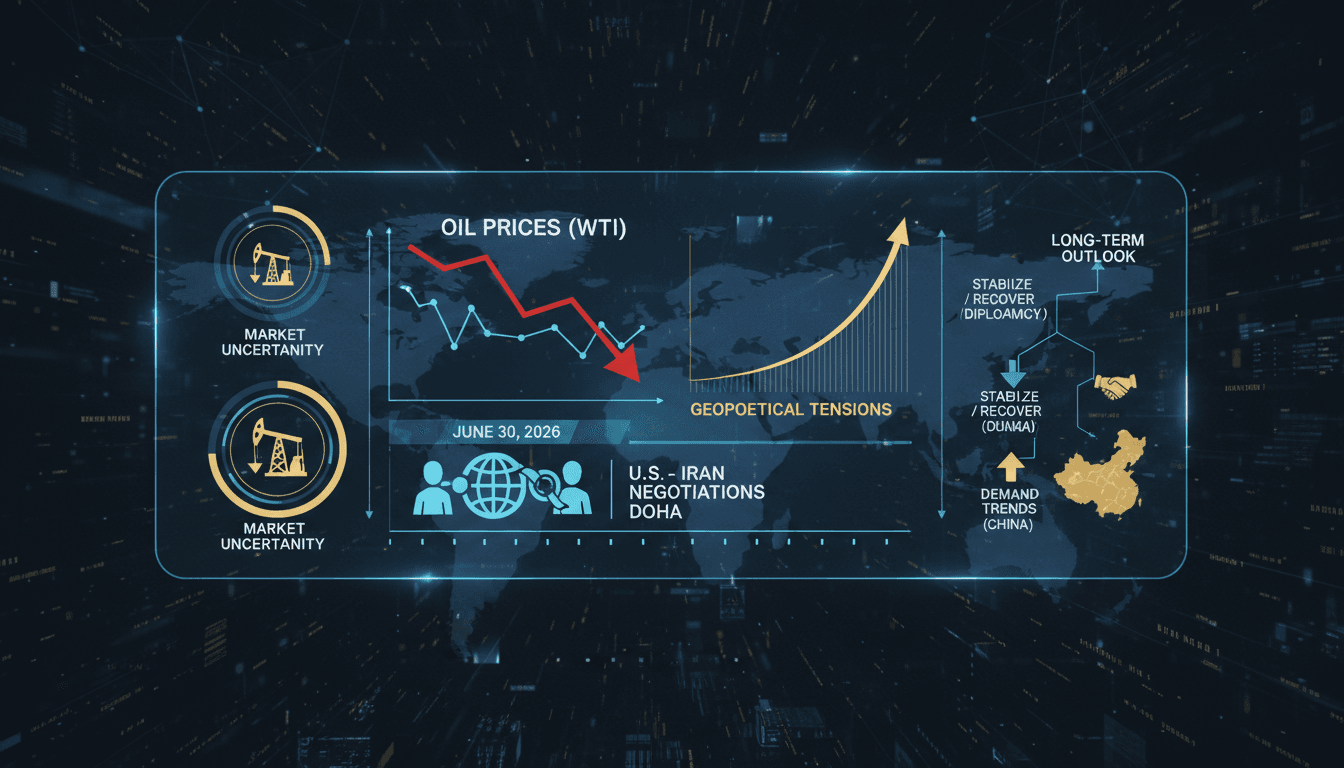
Here's what it means for you.
The recent decline in oil prices signals a cautious market as investors brace for potential outcomes from the U.S.-Iran negotiations in Doha. This situation highlights the delicate balance between geopolitical tensions and economic stability, particularly in the energy sector. As prices approach pre-war levels, stakeholders must remain vigilant regarding demand trends, especially from major consumers like China. The outcome of these talks could reshape oil flow dynamics in the region, impacting both prices and supply chains. A successful negotiation may lead to a stabilization of prices, while failure could exacerbate market volatility.
What happened
On June 30, 2026, oil prices fell as investors anticipated negotiations between the U.S. and Iran in Doha. This marked the second consecutive month of declining prices, with Brent crude futures dropping to $72.51 a barrel, a 22% decrease from the previous month. U.S. West Texas Intermediate also saw a significant decline, falling to $70.36 a barrel, down 19% since late May.
The decline in prices is attributed to heightened market uncertainty following a fragile ceasefire and ongoing geopolitical tensions. Recent missile exchanges between the U.S. and Iran have further contributed to this volatility, prompting investors to reassess their positions.
The Context
The current oil market is reacting to a complex backdrop of geopolitical tensions and potential diplomatic resolutions. The ceasefire agreement reached on June 17, 2026, between the U.S. and Iran has created a fragile environment where negotiations in Doha could redefine oil flow dynamics in the region. Experts from Iran and Oman are set to discuss transit paths through the Strait of Hormuz, a critical chokepoint for global oil supply.
Despite the ongoing conflict, Middle Eastern producers continue to load oil and liquefied natural gas (LNG), indicating a persistent supply chain. The market remains cautious, balancing hopes for peace with concerns over demand, particularly from China, which is a significant player in global oil consumption.
Takeaway
The outcome of the Doha talks will be pivotal in determining future oil prices and market stability. Investors should closely monitor the results of these negotiations, as they could significantly influence market dynamics. Additionally, trends in Chinese oil demand will be crucial in assessing the overall health of the oil market moving forward.
As diplomatic efforts unfold, the potential for volatility remains high. A successful negotiation could lead to price recovery, while any setbacks may further destabilize the market.
Oil, metals, and agriculture: supply/demand headlines, OPEC chatter, inventories, and price action.
"Solid tape for energy and metals traders tracking macro and micro catalysts."
— A47 Editor
Oil prices little changed but set for steepest monthly and quarterly losses since 2020
Oil prices have remained relatively stable but are on track for their steepest monthly and quarterly losses since 2020, reflecting ongoing market volatility. This decline is attributed to various geopolitical factors, including tensions in the Middle...
Pan-Arab news coverage spanning politics, business, sports, and regional affairs.
"Asharq Al-Awsat reflects a broad Arab editorial perspective with strong attention to regional geopolitics."
— A47 Editor
«دبلوماسية الدوحة» والهدنة الهشة تهبطان بالنفط نحو مستويات ما قبل الحرب
Oil prices declined on Tuesday, marking a potential second consecutive monthly drop, as investors await the possibility of talks between the United States and Iran. This decline is attributed to the fragile ceasefire and diplomatic efforts from Doha.
Business, markets, economy, and corporate news with strong UAE and regional relevance.
"Emirates 24|7 business coverage tends to center UAE markets, property, regulation, and regional economic developments."
— A47 Editor
Oil falls as investors focus on potential Iran-US talks in Doha
Oil prices fell on Tuesday, with Brent crude futures down 0.9% to $72.51 a barrel, as investors focused on potential U.S.-Iran talks in Doha amid ongoing tensions and a fragile ceasefire in the region. This marks a second consecutive month of decline...
Pan-Arab political news and analysis.
"Al-Quds Al-Arabi is a London-based Arabic newspaper known for political coverage."
— A47 Editor
النفط ينخفض وسط تركيز على محادثات محتملة بين إيران وأمريكا بالدوحة
Oil prices declined on Tuesday as investors awaited the outcome of potential talks between the United States and Iran in Doha, following a weekend of missile exchanges that tested a temporary ceasefire aimed at ending the ongoing four-month conflict....
Sports reporting with a focus on Saudi and regional competitions.
"Okaz sports coverage is broad and audience-friendly, with strong attention to Saudi teams and leagues."
— A47 Editor
النفط يقلص مكاسبه مع متابعة تطورات الشرق الأوسط
Oil prices partially reduced their gains on Monday as investors monitored developments in the Middle East, following an agreement between the United States and Iran to halt recent attacks and resume talks. Technical teams from both countries are set ...